+
Rajasthan State Gas Explores LNG And EV Opportunities
OIL & GAS

Rajasthan State Gas Explores LNG And EV Opportunities

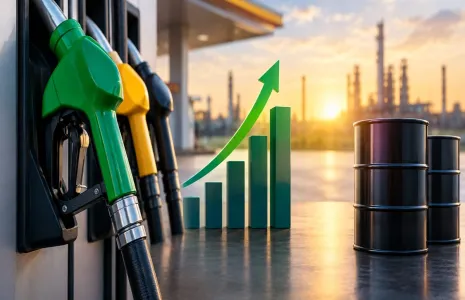
Rajasthan State Gas (RSG) is evaluating strategic opportunities in liquefied natural gas and electric vehicle sectors as part of a broader move towards cleaner fuels and mobility solutions. The company is examining market demand, infrastructure gaps and regulatory frameworks to determine viable investment pathways. Liquefied natural gas and electric vehicle technologies are being assessed for their ability to reduce emissions and support energy security. The assessment will consider cost trajectories, supply chain logistics and likely timelines for technology adoption.

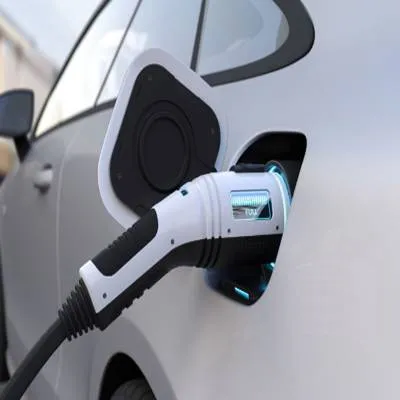
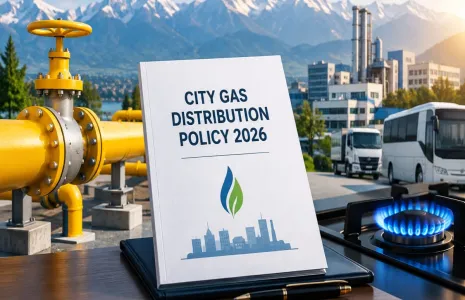
RSG is considering development of LNG supply chains, small scale regasification facilities and last mile distribution that could serve industrial and transport customers. Concurrently the company is studying options to support electric vehicle adoption through charging infrastructure deployment, fleet conversion services and partnerships with vehicle manufacturers and fleet operators. The approach emphasises phased implementation to align capital expenditure with demand growth. Stakeholder engagement is planned to gather industry feedback and refine technical requirements before committing resources.

The company intends to engage with state and central regulators and potential private partners to clarify policy incentives and access funding mechanisms. Financial planning will prioritise projects with clear commercial viability while allowing scope for pilot projects to test technical and operational assumptions. Attention will be given to operational safety, fuel quality standards and interoperability of charging solutions. Risk assessments and compliance reviews will form part of the preparatory work to ensure regulatory alignment.

If pursued at scale, the initiatives could contribute to reduced carbon intensity of transport, greater fuel choice for consumers and enhanced resilience of fuel supply chains. Job creation in construction, operations and maintenance and opportunities for local suppliers are anticipated as project timelines advance. Next steps include feasibility studies, stakeholder consultations and detailed project designs ahead of implementation. Timelines will be calibrated to match market absorption and to allow for scaling of successful pilots across regions.

Rajasthan State Gas (RSG) is evaluating strategic opportunities in liquefied natural gas and electric vehicle sectors as part of a broader move towards cleaner fuels and mobility solutions. The company is examining market demand, infrastructure gaps and regulatory frameworks to determine viable investment pathways. Liquefied natural gas and electric vehicle technologies are being assessed for their ability to reduce emissions and support energy security. The assessment will consider cost trajectories, supply chain logistics and likely timelines for technology adoption. RSG is considering development of LNG supply chains, small scale regasification facilities and last mile distribution that could serve industrial and transport customers. Concurrently the company is studying options to support electric vehicle adoption through charging infrastructure deployment, fleet conversion services and partnerships with vehicle manufacturers and fleet operators. The approach emphasises phased implementation to align capital expenditure with demand growth. Stakeholder engagement is planned to gather industry feedback and refine technical requirements before committing resources. The company intends to engage with state and central regulators and potential private partners to clarify policy incentives and access funding mechanisms. Financial planning will prioritise projects with clear commercial viability while allowing scope for pilot projects to test technical and operational assumptions. Attention will be given to operational safety, fuel quality standards and interoperability of charging solutions. Risk assessments and compliance reviews will form part of the preparatory work to ensure regulatory alignment. If pursued at scale, the initiatives could contribute to reduced carbon intensity of transport, greater fuel choice for consumers and enhanced resilience of fuel supply chains. Job creation in construction, operations and maintenance and opportunities for local suppliers are anticipated as project timelines advance. Next steps include feasibility studies, stakeholder consultations and detailed project designs ahead of implementation. Timelines will be calibrated to match market absorption and to allow for scaling of successful pilots across regions.

Next Story
Infrastructure Transport

Second Mountain Tunnel Breakthrough in Palghar Advances High Speed Rail

The Mumbai-Ahmedabad high speed rail (MAHSR) project reached a milestone with the breakthrough of a mountain tunnel in Palghar, Maharashtra. Mountain tunnel MT-six measures 454 metres long and 14.4 metres wide and will accommodate up and down tracks. The breakthrough follows MT-five near Saphale on second January 2026 and the MT-six excavation was completed from both ends using the New Austrian Tunnelling Method. The ministry reported that the tunnelling was completed within 12 months. The New Austrian Tunnelling Method is favoured for its flexibility in complex geology and irregular tunnel s..

Next Story
Infrastructure Transport

Modi Government Pushes Atmanirbhar Container Drive With BCSL MoU

The Union Government advanced a plan to create an integrated, domestically anchored container ecosystem with the signing of a Memorandum of Understanding to establish the Bharat Container Shipping Line (BCSL). The MoU was signed by key agencies including the Shipping Corporation of India and Container Corporation of India alongside major port authorities and Sagarmala Finance Corporation Limited under the Ministry of Ports, Shipping and Waterways, in the presence of senior ministers. The initiative aligns with the Container Manufacturing Assistance Scheme announced in the Union Budget 2026–2..

Next Story
Infrastructure Urban

Ministry Reports Gains In Mobility For Marginalised Communities

The Ministry of Social Justice and Empowerment is implementing skill development, education and rehabilitation schemes to promote socio-economic mobility and sustainable livelihoods for marginalised and disadvantaged communities across the country. Programmes target Scheduled Castes, Other Backward Classes, Economically Weaker Sections, De-notified Tribes and Safai Karamcharis through specialised implementing corporations and empanelled training institutes. Pradhan Mantri Dakshata Aur Kushalta Sampann Hitgrahi Yojana, or PM-DAKSH, provided skill training and placement support through the Nati..

Advertisement

Subscribe to Our Newsletter

Get daily newsletters around different themes from Construction world.

STAY CONNECTED

Advertisement

Advertisement

Advertisement

Open In App