




Reliance Gets US Waiver For Pre-Sanctions Rosneft Cargoes
OIL & GAS

Reliance Gets US Waiver For Pre-Sanctions Rosneft Cargoes

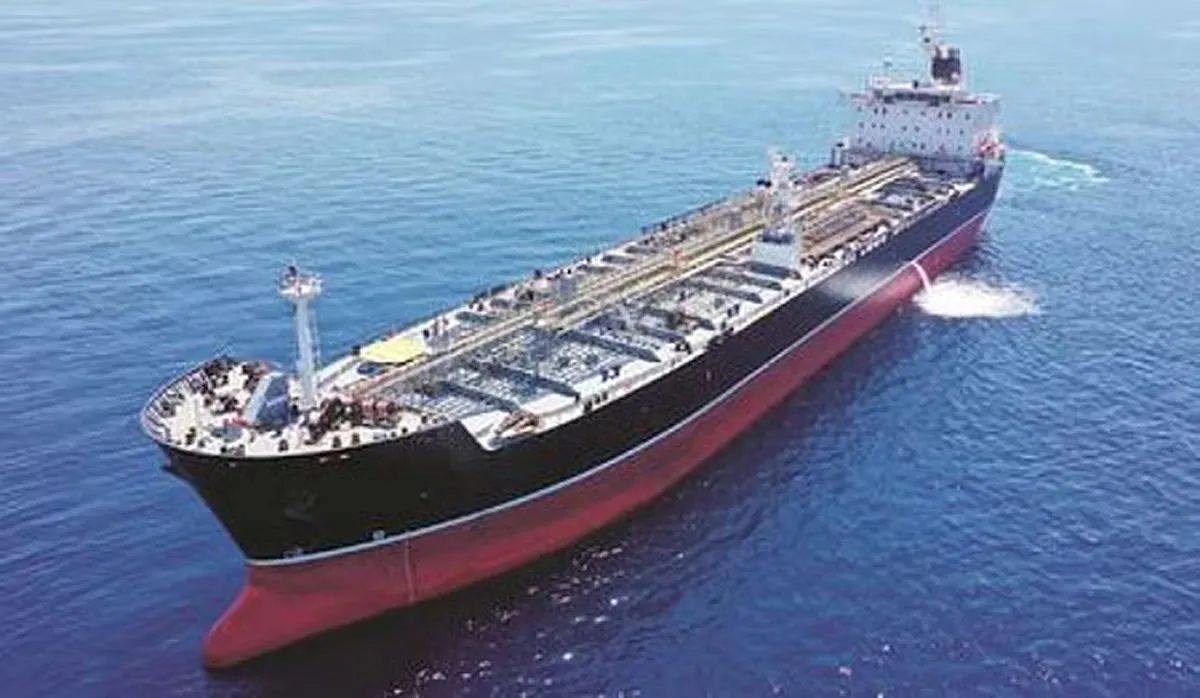
Reliance Industries Limited (RIL) has received a concession from the United States allowing it to import Russian crude oil cargoes supplied by Rosneft that were contracted before US sanctions were announced. The company said the permission applies only to previously contracted shipments, which arrived in December within an extended deadline granted by US authorities.

In October, the US imposed sanctions on Russia’s Rosneft and Lukoil, giving companies until November 21 to wind down transactions with the two energy producers. Reliance has a long-term agreement with Rosneft to purchase around 500,000 barrels per day of crude for its 1.4 million barrels-per-day refining complex at Jamnagar in Gujarat, the world’s largest refinery complex.

“We have received permission to bring in cargoes that were contracted before the sanctions were announced. This is not for new cargoes but for older cargoes,” a Reliance Industries spokesperson said.

Separately, the European Union has announced that from January 21 it will no longer accept fuel produced at refineries that received or processed Russian crude within 60 days prior to the bill-of-lading date, tightening restrictions on Russian-origin oil products.

According to an agency report citing trade flow data from Kpler, Reliance has received around 15 cargoes of Russian crude from Rosneft since November 22. The report added that the final cargo under Reliance’s Rosneft supply agreement was loaded on November 12. Any Russian oil arriving after November 20 is being processed at Reliance’s 660,000 barrels-per-day refinery focused on the domestic market, allowing the company to continue fuel exports to the EU from its 704,000 barrels-per-day export-oriented refinery.

In addition, Reliance is scheduled to receive one cargo each of Russian oil in December and January from trader RusExport, according to Kpler data.

India emerged as the world’s largest buyer of seaborne Russian crude following Moscow’s invasion of Ukraine, but has since faced increasing pressure from Washington to curb such imports. Trade sources and LSEG data indicate that India’s Russian oil imports in December are expected to average between 1.2 million and 1.5 million barrels per day, down from about 1.77 million barrels per day in November.

Reliance Industries Limited (RIL) has received a concession from the United States allowing it to import Russian crude oil cargoes supplied by Rosneft that were contracted before US sanctions were announced. The company said the permission applies only to previously contracted shipments, which arrived in December within an extended deadline granted by US authorities. In October, the US imposed sanctions on Russia’s Rosneft and Lukoil, giving companies until November 21 to wind down transactions with the two energy producers. Reliance has a long-term agreement with Rosneft to purchase around 500,000 barrels per day of crude for its 1.4 million barrels-per-day refining complex at Jamnagar in Gujarat, the world’s largest refinery complex. “We have received permission to bring in cargoes that were contracted before the sanctions were announced. This is not for new cargoes but for older cargoes,” a Reliance Industries spokesperson said. Separately, the European Union has announced that from January 21 it will no longer accept fuel produced at refineries that received or processed Russian crude within 60 days prior to the bill-of-lading date, tightening restrictions on Russian-origin oil products. According to an agency report citing trade flow data from Kpler, Reliance has received around 15 cargoes of Russian crude from Rosneft since November 22. The report added that the final cargo under Reliance’s Rosneft supply agreement was loaded on November 12. Any Russian oil arriving after November 20 is being processed at Reliance’s 660,000 barrels-per-day refinery focused on the domestic market, allowing the company to continue fuel exports to the EU from its 704,000 barrels-per-day export-oriented refinery. In addition, Reliance is scheduled to receive one cargo each of Russian oil in December and January from trader RusExport, according to Kpler data. India emerged as the world’s largest buyer of seaborne Russian crude following Moscow’s invasion of Ukraine, but has since faced increasing pressure from Washington to curb such imports. Trade sources and LSEG data indicate that India’s Russian oil imports in December are expected to average between 1.2 million and 1.5 million barrels per day, down from about 1.77 million barrels per day in November.

Next Story
Real Estate

India Industrial And Logistics Leasing Hits Record High

Demand for industrial and logistics spaces in India reached an all-time high in 2025, with leasing volumes rising nearly 19 per cent year-on-year to 76.5 million square feet across 24 major cities, according to data from Savills. The real estate consultancy said the sector continued its strong post-pandemic growth trajectory, recording its highest-ever annual absorption during the year, compared with 64.5 million square feet leased in the 2024 calendar year. Manufacturing emerged as the largest occupier, accounting for 29 per cent of total leasing activity, followed closely by third-party log..

Next Story
Infrastructure Transport

Jewar Airport Set For January 2026 Inauguration

Uttar Pradesh Chief Minister Yogi Adityanath has announced that the Noida International Airport at Jewar will be inaugurated in January 2026, marking a major milestone in the state’s aviation expansion. The announcement was made on the concluding day of the Winter Session of the state legislature. Once operational, the facility will become Uttar Pradesh’s fifth international airport and a key aviation hub for northern India. Addressing the House, the chief minister highlighted the rapid expansion of aviation infrastructure in the state since 2017. He noted that prior to this period, Uttar..

Next Story
Infrastructure Transport

Adani Plans Rs 1 Trillion Push In Airport Expansion

Adani Enterprises plans to invest around Rs 1 trillion, or about $11 billion, in its airports infrastructure business over the next five years as it looks to significantly expand its footprint across India. Jeet Adani, Director at Adani Airport Holdings Limited (AAHL), said the group will bid for all 11 airports that the central government plans to lease out to private operators as part of its broader airport privatisation programme. India is accelerating airport privatisation in line with its long-term goal of expanding the country’s airport network to 350–400 facilities by 2047, up from..

Advertisement

Subscribe to Our Newsletter

Get daily newsletters around different themes from Construction world.

STAY CONNECTED

Advertisement

Advertisement

Advertisement

Advertisement

Open In App