Plants in Prayagraj to make tiles, bricks from construction waste
POWER & RENEWABLE ENERGY

Plants in Prayagraj to make tiles, bricks from construction waste

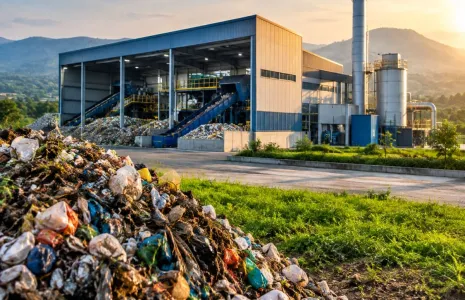
A waste plant that makes tiles and bricks from construction wastes has now become operational in Prayagraj.

The plant uses debris and construction waste and causes air pollution to construct tiles and bricks.

The manufacturing unit is located in Baswar and can handle 100 mt capacity of construction waste each day.

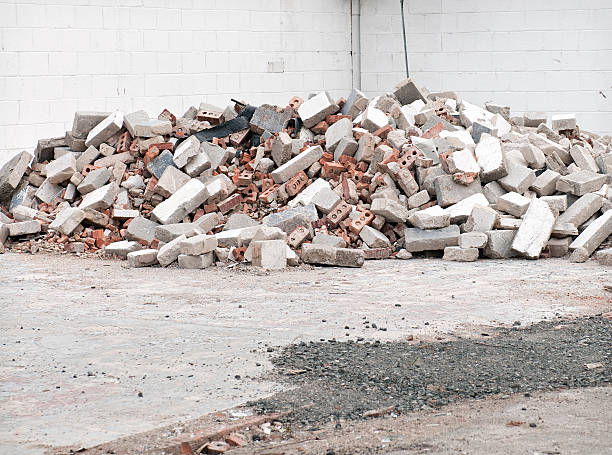
It can recycle up to 50-100 metric tonnes (mt) of construction wastes generated each day from the urban areas. Recycling debris can manufacture bricks, tiles, curbstones, slab covers and interlocking, which can be used in construction.

Ravi Ranjan, Municipal Commissioner Officer, said that waste from road construction, buildings and construction and demolition (C&D) activities contribute to environmental pollution, clogged drains and hindrance in the movement of roads.

He said that the waste plant would be an effective way to recycle waste products into useful products.

Earlier, the plant was constructed at Rs 5.63 crore, out of which Rs 4.13 was sanctioned from the Smart City Project and Rs 1.5 crore from the National Clean Air Programme.

The manufactured products from the debris, including bricks, tiles, curbstones and slab cover, can be purchased by the Municipal Corporation at a concessional rate.

Till now, 15,000 mt of C&D waste has been collected from the sites, and the recycling work is ongoing.

The manufacturing unit is operational, and waste generators such as landowners, builders, developers, contractors, government and private agencies can dispose of their waste at reasonable rates.

The identified agency will also collect waste from various places in the city.

Sanjay Goyal, Divisional Commissioner Officer, requested the people for disposing of their debris from homes at the Baswar plant.

Image Source

"Join industry leaders at RAHSTA Expo, India's premier platform for roads, highways and traffic infrastructure. Register now to explore innovations, network with experts and shape the future of mobility."

A waste plant that makes tiles and bricks from construction wastes has now become operational in Prayagraj. The plant uses debris and construction waste and causes air pollution to construct tiles and bricks. The manufacturing unit is located in Baswar and can handle 100 mt capacity of construction waste each day. It can recycle up to 50-100 metric tonnes (mt) of construction wastes generated each day from the urban areas. Recycling debris can manufacture bricks, tiles, curbstones, slab covers and interlocking, which can be used in construction. Ravi Ranjan, Municipal Commissioner Officer, said that waste from road construction, buildings and construction and demolition (C&D) activities contribute to environmental pollution, clogged drains and hindrance in the movement of roads. He said that the waste plant would be an effective way to recycle waste products into useful products. Earlier, the plant was constructed at Rs 5.63 crore, out of which Rs 4.13 was sanctioned from the Smart City Project and Rs 1.5 crore from the National Clean Air Programme. The manufactured products from the debris, including bricks, tiles, curbstones and slab cover, can be purchased by the Municipal Corporation at a concessional rate. Till now, 15,000 mt of C&D waste has been collected from the sites, and the recycling work is ongoing. The manufacturing unit is operational, and waste generators such as landowners, builders, developers, contractors, government and private agencies can dispose of their waste at reasonable rates. The identified agency will also collect waste from various places in the city. Sanjay Goyal, Divisional Commissioner Officer, requested the people for disposing of their debris from homes at the Baswar plant. Image Source

Next Story
Resources

Jyoti Structures Launches Heat Safety Drive Across Sites

Jyoti Structures (JSL) has strengthened heat safety measures across its project sites and manufacturing facilities as temperatures rise across India. The company has implemented a Summer Safety Plan covering all transmission line projects to address risks related to heat stress, dehydration and worker fatigue.The initiative includes rescheduling work away from peak afternoon temperatures, provision of drinking water, ORS and lemon-salt solutions, and installation of rest shelters near work areas. Daily toolbox talks, worker health monitoring, first-aid preparedness, emergency transport arrange..

Next Story
Real Estate

MHADA Declares 82 Buildings Most Dangerous in Central and South Mumbai

The Maharashtra Housing and Area Development Authority (MHADA) has declared 82 buildings as most dangerous across Central and South Mumbai and has appealed to residents to vacate immediately. The list, prepared after structural assessments by the authority, identifies buildings judged to pose imminent risk to occupants and to passersby. Local civic bodies have been asked to coordinate evacuations and to make arrangements for temporary shelter and rehabilitation for displaced households. Officials said the authority prioritised buildings with visible structural distress, severe cracking, tiltin..

Next Story
Infrastructure Transport

Damage Reported At Halwara Airport Terminal After First Rains

Severe damage was reported at the terminal of Halwara Airport during the first major rain spell of the season, prompting immediate concern among aviation and local authorities. Images from the site showed water ingress and visible deterioration of the terminal interior, affecting passenger areas and ancillary services. The airport authority suspended certain operations temporarily to assess structural safety and ensure passenger wellbeing. Preliminary inspections have prioritised electrical systems and roof seals to prevent further water ingress. State aviation officials ordered a formal inqui..

Advertisement

Subscribe to Our Newsletter

Get daily newsletters around different themes from Construction world.

STAY CONNECTED

Advertisement

Advertisement

Advertisement