Godawari Power Reports Stable H1 With Strong Margins And Project Progress
POWER & RENEWABLE ENERGY

Godawari Power Reports Stable H1 With Strong Margins And Project Progress

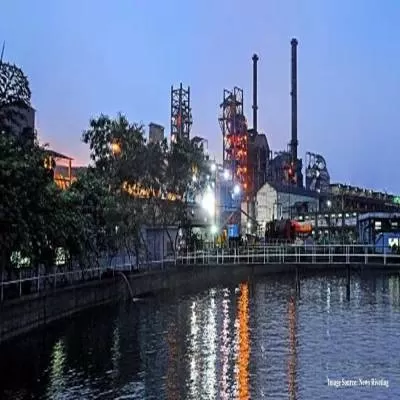
Godawari Power & Ispat Ltd, a fully integrated steel producer, has announced its financial results for Q2 and H1 FY26, reporting stable performance supported by higher pellet and galvanised product volumes and continued progress on major expansion projects.

Q2 FY26 – Key Financial Highlights

Revenue, EBITDA and PAT recorded slight year-on-year growth, driven by increased sales volumes of pellets and rolled structural products.

Sequentially, sales, EBITDA and PAT were lower due to reduced realisations in iron ore pellets and finished steel.

EBITDA and PAT margins remained strong at 20 per cent and 12 per cent, respectively.

H1 FY26 – Key Financial Highlights

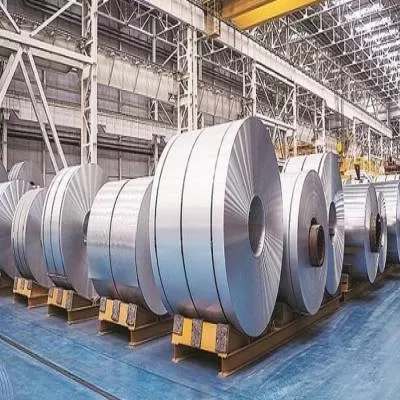
Sales turnover remained largely stable, supported by higher production and sales of pellets and galvanised fabricated products.

EBITDA and PAT were lower year-on-year due to softer sales realisations.

Margins remained healthy, with EBITDA at 22 per cent and PAT at 14 per cent.

Q2 & H1 FY26 – Key Operational Updates

Mining expansion: Public hearing for expanding the Ari Dongri Iron Ore Mine from 2.35 MTPA to 6 MTPA has been completed. Environmental approval is expected by December 2025.

Volume performance: GPIL is on track to meet its FY26 production targets, with strong progress in ferro alloys (55 per cent), rolled products (54 per cent), and sponge iron (53 per cent). Iron ore mining, pellet production and steel billets have all crossed 43 per cent of full-year targets.

Land acquisition:

452 acres secured for the Integrated Steel Plant (ISP) and CRM complex.

112 acres acquired for the Battery Energy Storage System (BESS) project.

CRM complex: Work is progressing on the 0.7 MnT cold-rolled steel complex; land is acquired and major equipment orders are placed.

Battery storage: Godawari New Energy Pvt Ltd, a wholly owned subsidiary, is developing a BESS facility in Maharashtra; land acquisition is complete.

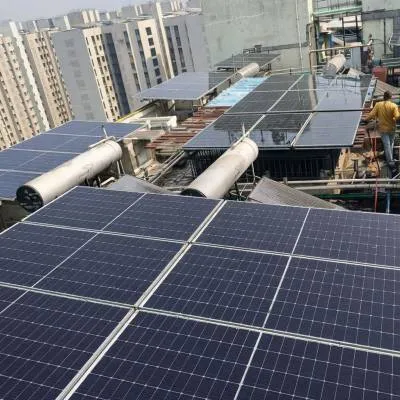
Solar power: The Board has approved an additional 250 MW solar project, supplementing the earlier 125 MW for captive use at the ISP and CRM complex.

PGCIL approval: GPIL has received approval to supply steel billets to all manufacturers of galvanised steel structures for transmission projects, supporting margin enhancement in value-added products.

Boria Tibu Mine: Operations resumed in May 2025 following approval of the updated five-year mining plan by the Indian Bureau of Mines.

Management Commentary Mr B.L. Agrawal, Chairman and Managing Director, said H1 FY26 reflected steady performance and strong operational progress. Revenues remained stable, supported by higher pellet and galvanised-product volumes, while margins remained healthy despite softer realisations. He highlighted major strategic progress, including the Ari Dongri mine expansion, the approval of an additional 250 MW solar project, advancement of the 0.7 MnT CRM complex, and movement on the battery energy storage project with required land already secured. Backed by a strong net-cash position, ongoing capacity expansion and a firm ESG commitment, GPIL is well positioned for sustainable, long-term value creation driven by efficiency gains, solar-led cost savings and the advantages of captive iron ore resources.

Godawari Power & Ispat Ltd, a fully integrated steel producer, has announced its financial results for Q2 and H1 FY26, reporting stable performance supported by higher pellet and galvanised product volumes and continued progress on major expansion projects. Q2 FY26 – Key Financial Highlights Revenue, EBITDA and PAT recorded slight year-on-year growth, driven by increased sales volumes of pellets and rolled structural products. Sequentially, sales, EBITDA and PAT were lower due to reduced realisations in iron ore pellets and finished steel. EBITDA and PAT margins remained strong at 20 per cent and 12 per cent, respectively. H1 FY26 – Key Financial Highlights Sales turnover remained largely stable, supported by higher production and sales of pellets and galvanised fabricated products. EBITDA and PAT were lower year-on-year due to softer sales realisations. Margins remained healthy, with EBITDA at 22 per cent and PAT at 14 per cent. Q2 & H1 FY26 – Key Operational Updates Mining expansion: Public hearing for expanding the Ari Dongri Iron Ore Mine from 2.35 MTPA to 6 MTPA has been completed. Environmental approval is expected by December 2025. Volume performance: GPIL is on track to meet its FY26 production targets, with strong progress in ferro alloys (55 per cent), rolled products (54 per cent), and sponge iron (53 per cent). Iron ore mining, pellet production and steel billets have all crossed 43 per cent of full-year targets. Land acquisition: 452 acres secured for the Integrated Steel Plant (ISP) and CRM complex. 112 acres acquired for the Battery Energy Storage System (BESS) project. CRM complex: Work is progressing on the 0.7 MnT cold-rolled steel complex; land is acquired and major equipment orders are placed. Battery storage: Godawari New Energy Pvt Ltd, a wholly owned subsidiary, is developing a BESS facility in Maharashtra; land acquisition is complete. Solar power: The Board has approved an additional 250 MW solar project, supplementing the earlier 125 MW for captive use at the ISP and CRM complex. PGCIL approval: GPIL has received approval to supply steel billets to all manufacturers of galvanised steel structures for transmission projects, supporting margin enhancement in value-added products. Boria Tibu Mine: Operations resumed in May 2025 following approval of the updated five-year mining plan by the Indian Bureau of Mines. Management Commentary Mr B.L. Agrawal, Chairman and Managing Director, said H1 FY26 reflected steady performance and strong operational progress. Revenues remained stable, supported by higher pellet and galvanised-product volumes, while margins remained healthy despite softer realisations. He highlighted major strategic progress, including the Ari Dongri mine expansion, the approval of an additional 250 MW solar project, advancement of the 0.7 MnT CRM complex, and movement on the battery energy storage project with required land already secured. Backed by a strong net-cash position, ongoing capacity expansion and a firm ESG commitment, GPIL is well positioned for sustainable, long-term value creation driven by efficiency gains, solar-led cost savings and the advantages of captive iron ore resources.

Next Story
Infrastructure Urban

Centre Boosts FPO Growth With New Credit And Market Support

The Government is implementing the Central Sector Scheme on the formation and promotion of 10,000 Farmer Producer Organisations (FPOs), under which all 10,000 FPOs have now been registered. The scheme provides Rs 1.8 million per FPO for three years as management support, a matching equity grant of up to Rs 1.5 million, and a credit guarantee of up to Rs 0.02 billion through eligible lending institutions. It also offers assistance for training, market linkages and alignment with other schemes. FPOs receive support to obtain input licences for seed, fertiliser and pesticide supplies, as well as..

Next Story
Infrastructure Urban

PM-KISAN Drives Farm Income Gains And Rural Stability

The PM-KISAN scheme, a central sector initiative launched in February 2019, aims to support the financial needs of farmers holding cultivable land. Under the scheme, Rs 6,000 per year is transferred in three equal instalments to Aadhaar-seeded bank accounts through Direct Benefit Transfer. Eligibility is based primarily on cultivable landholding, with certain exclusions for individuals of higher economic status. A farmer-centric digital infrastructure ensures scheme benefits reach farmers across India without intermediaries. With full transparency in registration and verification, the Governm..

Next Story
Infrastructure Urban

Govt Extends Pro Tem Security Certificate To Two Years

In a further push to improve ease of doing business and ensure continuity for the telecom industry, the National Centre for Communication Security (NCCS) under the Department of Telecommunications has extended the validity of the Pro Tem Security Certification from six months to two years. The Pro Tem Certification, initially launched in October 2024 with a six-month validity, was designed to prevent business disruption for IP Router and Wi-Fi CPE products, which became subject to mandatory security certification from 1 October 2024. Under this certification, OEMs submit a declaration confirm..

Advertisement

Subscribe to Our Newsletter

Get daily newsletters around different themes from Construction world.

STAY CONNECTED

Advertisement

Advertisement

Advertisement

Advertisement

Open In App