IIT Jodhpur Develops Solar Panel Adapter for EV Charging
POWER & RENEWABLE ENERGY

IIT Jodhpur Develops Solar Panel Adapter for EV Charging

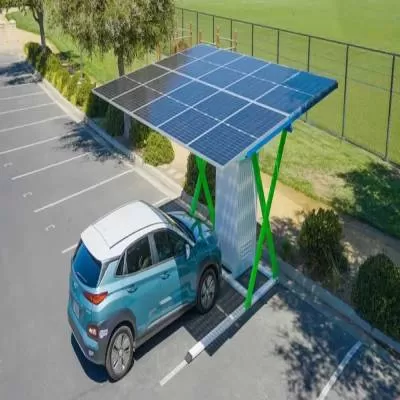
Indian Institute of Technology (IIT) Jodhpur has developed an innovative adapter that enables electric vehicles (EVs) to be charged using solar panels. This technology represents a significant advancement in the field of sustainable transportation solutions. The adapter, designed by researchers at IIT Jodhpur, aims to reduce dependency on traditional grid electricity for charging EVs, thereby lowering carbon footprints associated with urban transport.

The adapter works by converting solar energy captured through panels into electricity compatible with EV charging systems. This development is poised to revolutionise the way EVs are powered, especially in regions with abundant sunlight. It not only promotes clean energy usage but also enhances the feasibility of widespread EV adoption by addressing infrastructure challenges.

Dr. Rajeev Kumar, a key researcher involved in the project, highlighted the adapter's scalability and efficiency in diverse environmental conditions. The technology's successful testing phase demonstrated its reliability and effectiveness, paving the way for potential commercial applications. Moreover, the adapter aligns with India's renewable energy goals, emphasising sustainable practices in transportation and reducing reliance on fossil fuels.

As efforts continue to expand renewable energy applications, IIT Jodhpur's innovation underscores the institution's commitment to pioneering solutions for cleaner, greener mobility. With ongoing advancements in solar technology and electric vehicle integration, this adapter represents a promising step towards a more sustainable future.

Indian Institute of Technology (IIT) Jodhpur has developed an innovative adapter that enables electric vehicles (EVs) to be charged using solar panels. This technology represents a significant advancement in the field of sustainable transportation solutions. The adapter, designed by researchers at IIT Jodhpur, aims to reduce dependency on traditional grid electricity for charging EVs, thereby lowering carbon footprints associated with urban transport. The adapter works by converting solar energy captured through panels into electricity compatible with EV charging systems. This development is poised to revolutionise the way EVs are powered, especially in regions with abundant sunlight. It not only promotes clean energy usage but also enhances the feasibility of widespread EV adoption by addressing infrastructure challenges. Dr. Rajeev Kumar, a key researcher involved in the project, highlighted the adapter's scalability and efficiency in diverse environmental conditions. The technology's successful testing phase demonstrated its reliability and effectiveness, paving the way for potential commercial applications. Moreover, the adapter aligns with India's renewable energy goals, emphasising sustainable practices in transportation and reducing reliance on fossil fuels. As efforts continue to expand renewable energy applications, IIT Jodhpur's innovation underscores the institution's commitment to pioneering solutions for cleaner, greener mobility. With ongoing advancements in solar technology and electric vehicle integration, this adapter represents a promising step towards a more sustainable future.

Next Story
Resources

Jyoti Structures Launches Heat Safety Drive Across Sites

Jyoti Structures (JSL) has strengthened heat safety measures across its project sites and manufacturing facilities as temperatures rise across India. The company has implemented a Summer Safety Plan covering all transmission line projects to address risks related to heat stress, dehydration and worker fatigue.The initiative includes rescheduling work away from peak afternoon temperatures, provision of drinking water, ORS and lemon-salt solutions, and installation of rest shelters near work areas. Daily toolbox talks, worker health monitoring, first-aid preparedness, emergency transport arrange..

Next Story
Real Estate

MHADA Declares 82 Buildings Most Dangerous in Central and South Mumbai

The Maharashtra Housing and Area Development Authority (MHADA) has declared 82 buildings as most dangerous across Central and South Mumbai and has appealed to residents to vacate immediately. The list, prepared after structural assessments by the authority, identifies buildings judged to pose imminent risk to occupants and to passersby. Local civic bodies have been asked to coordinate evacuations and to make arrangements for temporary shelter and rehabilitation for displaced households. Officials said the authority prioritised buildings with visible structural distress, severe cracking, tiltin..

Next Story
Infrastructure Transport

Damage Reported At Halwara Airport Terminal After First Rains

Severe damage was reported at the terminal of Halwara Airport during the first major rain spell of the season, prompting immediate concern among aviation and local authorities. Images from the site showed water ingress and visible deterioration of the terminal interior, affecting passenger areas and ancillary services. The airport authority suspended certain operations temporarily to assess structural safety and ensure passenger wellbeing. Preliminary inspections have prioritised electrical systems and roof seals to prevent further water ingress. State aviation officials ordered a formal inqui..

Advertisement

Subscribe to Our Newsletter

Get daily newsletters around different themes from Construction world.

STAY CONNECTED

Advertisement

Advertisement

Advertisement