India’s Power Transmission Network Crosses 5 Lakh Circuit Km
POWER & RENEWABLE ENERGY

India’s Power Transmission Network Crosses 5 Lakh Circuit Km

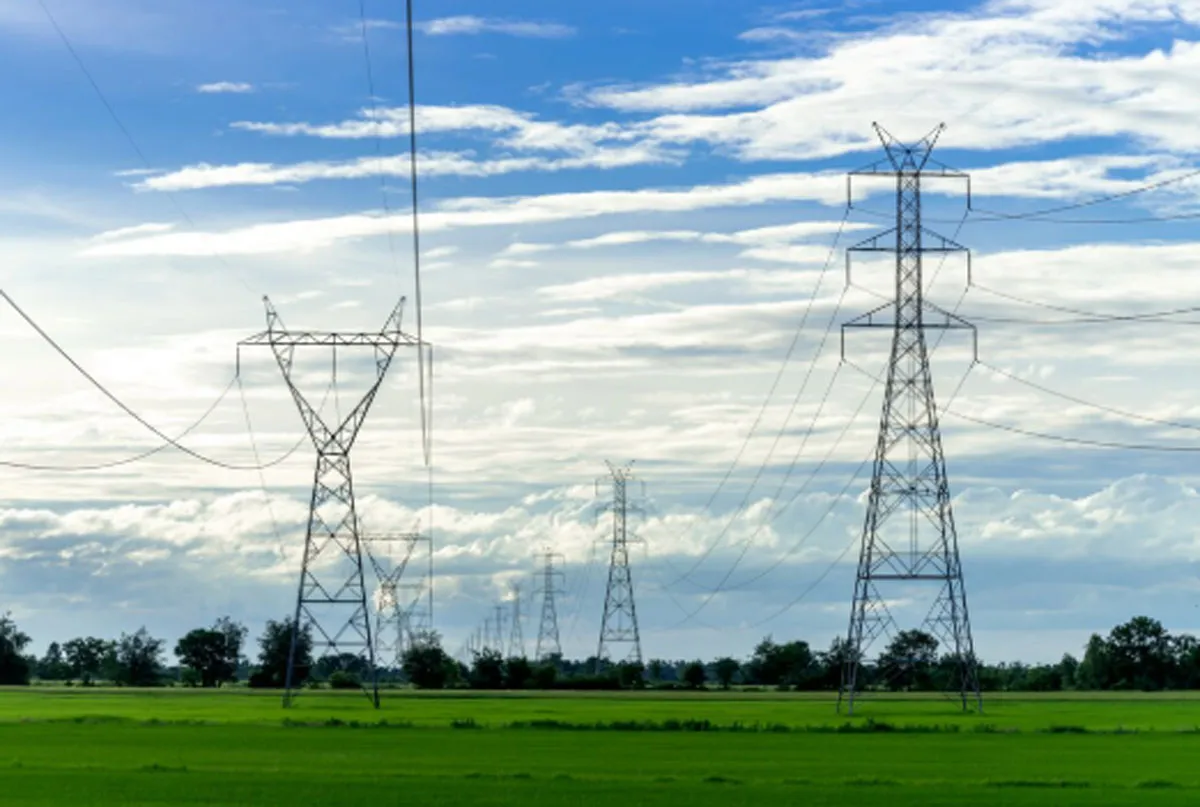
India’s national power transmission network has reached a major infrastructure milestone, crossing 5 lakh circuit kilometres (ckm) of transmission lines operating at 220 kV and above, along with a transformation capacity of 1,407 GVA. The achievement further strengthens the country’s position as home to the world’s largest synchronous national grid.

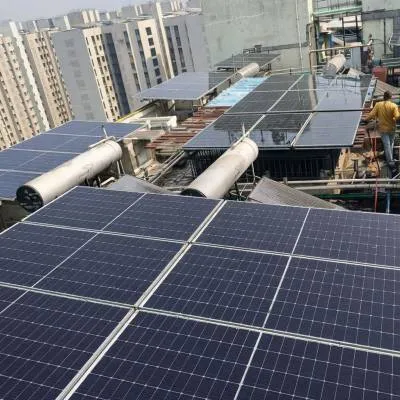
The milestone was attained on January 14, 2026, with the commissioning of a 628 ckm, 765 kV transmission line connecting Bhadla II to Sikar II substation. The project has been developed to facilitate evacuation of renewable energy from the Rajasthan Renewable Energy Zone. With the commissioning of this line, an additional 1,100 MW of power can now be transmitted from the Bhadla, Ramgarh and Fatehgarh solar power complexes.

Since April 2014, India’s transmission network has expanded by 71.6 per cent, with the addition of around 2.09 lakh ckm of high-voltage transmission lines. During the same period, transformation capacity has increased by 876 GVA. The country’s inter-regional power transfer capacity has now reached 1,20,340 MW, enabling seamless electricity movement across regions and realising the vision of “One Nation – One Grid – One Frequency.”

Further capacity expansion is underway through inter-state transmission system projects currently under implementation, which are expected to add nearly 40,000 ckm of transmission lines and 399 GVA of transformation capacity. In addition, intra-state transmission projects are set to contribute another 27,500 ckm of lines and 134 GVA of capacity, significantly enhancing grid reliability and power evacuation capabilities.

The continuous strengthening of the transmission network will play a critical role in evacuating the growing share of non-fossil fuel-based power generation, targeted at 500 GW by 2030. The 5 lakh ckm milestone reflects sustained government efforts to ensure reliable, affordable and secure electricity supply while supporting large-scale renewable energy integration across the country.

India’s national power transmission network has reached a major infrastructure milestone, crossing 5 lakh circuit kilometres (ckm) of transmission lines operating at 220 kV and above, along with a transformation capacity of 1,407 GVA. The achievement further strengthens the country’s position as home to the world’s largest synchronous national grid.The milestone was attained on January 14, 2026, with the commissioning of a 628 ckm, 765 kV transmission line connecting Bhadla II to Sikar II substation. The project has been developed to facilitate evacuation of renewable energy from the Rajasthan Renewable Energy Zone. With the commissioning of this line, an additional 1,100 MW of power can now be transmitted from the Bhadla, Ramgarh and Fatehgarh solar power complexes.Since April 2014, India’s transmission network has expanded by 71.6 per cent, with the addition of around 2.09 lakh ckm of high-voltage transmission lines. During the same period, transformation capacity has increased by 876 GVA. The country’s inter-regional power transfer capacity has now reached 1,20,340 MW, enabling seamless electricity movement across regions and realising the vision of “One Nation – One Grid – One Frequency.”Further capacity expansion is underway through inter-state transmission system projects currently under implementation, which are expected to add nearly 40,000 ckm of transmission lines and 399 GVA of transformation capacity. In addition, intra-state transmission projects are set to contribute another 27,500 ckm of lines and 134 GVA of capacity, significantly enhancing grid reliability and power evacuation capabilities.The continuous strengthening of the transmission network will play a critical role in evacuating the growing share of non-fossil fuel-based power generation, targeted at 500 GW by 2030. The 5 lakh ckm milestone reflects sustained government efforts to ensure reliable, affordable and secure electricity supply while supporting large-scale renewable energy integration across the country.

Next Story
Infrastructure Urban

Henkel, Rotary Recycle PoP Ganesha Idols Under Project HARMONY

Henkel India, in partnership with the Rotary Club of Navi Mumbai – Joy of Giving and with support from the Navi Mumbai Municipal Corporation (NMMC), has advanced circular sustainability through Project HARMONY by recycling Plaster of Paris (PoP) Ganesha idols into community learning assets. The initiative highlights an integrated approach to environmental restoration and social impact.As part of the project, materials collected after Ganesh Visarjan 2025 at Nerul were responsibly diverted from land and water bodies and processed at an authorised recycling facility, with on-ground execution s..

Next Story
Real Estate

Houssed.com Expands to 33 Cities, Crosses Rs 1 Bn in Deals

Proptech platform Houssed.com has expanded its presence to 33 cities across India, strengthening its national footprint as it crosses 50,000 verified property listings and facilitates real estate transactions worth over Rs 1 billion. The milestone marks a significant phase in the company’s growth as demand rises for transparent and technology-driven property discovery in India’s estimated $500-billion real estate market.The company said the expansion reflects increasing preference among homebuyers and developers for platforms that prioritise verification, accountability and customer trust...

Next Story
Infrastructure Urban

Hindustan Zinc to Set Up India’s First Zinc Tailings Recycling Unit

Hindustan Zinc, a Vedanta Group company and the world’s largest integrated zinc producer, has awarded contracts to CIMIC Group companies Sedgman and Leighton Asia for the development of India’s first zinc tailings recycling facility at its Rampura Agucha Mines in Rajasthan. The project marks a significant step towards adopting circular economy practices in the country’s mining sector.Tailings are finely ground residues left after mineral extraction and are traditionally treated as waste. However, they often contain residual quantities of valuable metals that were not recoverable using ea..

Advertisement

Subscribe to Our Newsletter

Get daily newsletters around different themes from Construction world.

STAY CONNECTED

Advertisement

Advertisement

Advertisement

Advertisement

Open In App