

India Adds 48 GW Renewable Capacity in 2025
POWER & RENEWABLE ENERGY

India Adds 48 GW Renewable Capacity in 2025

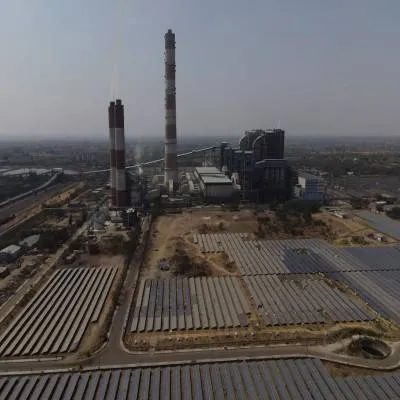
India’s renewable energy sector saw a sharp expansion in 2025, with the country adding around 48 gigawatts of new clean power capacity during the year, marking one of its strongest annual increases to date.

Government and industry data show that the additions spanned solar, wind, hydro and other renewable sources, taking installations well above 2024 levels, when capacity additions stood at about 28 gigawatts. Even excluding large hydro projects, renewable additions were estimated at roughly 45 gigawatts, indicating broad-based growth across clean energy segments.

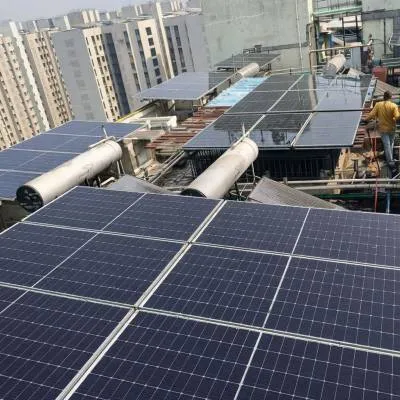
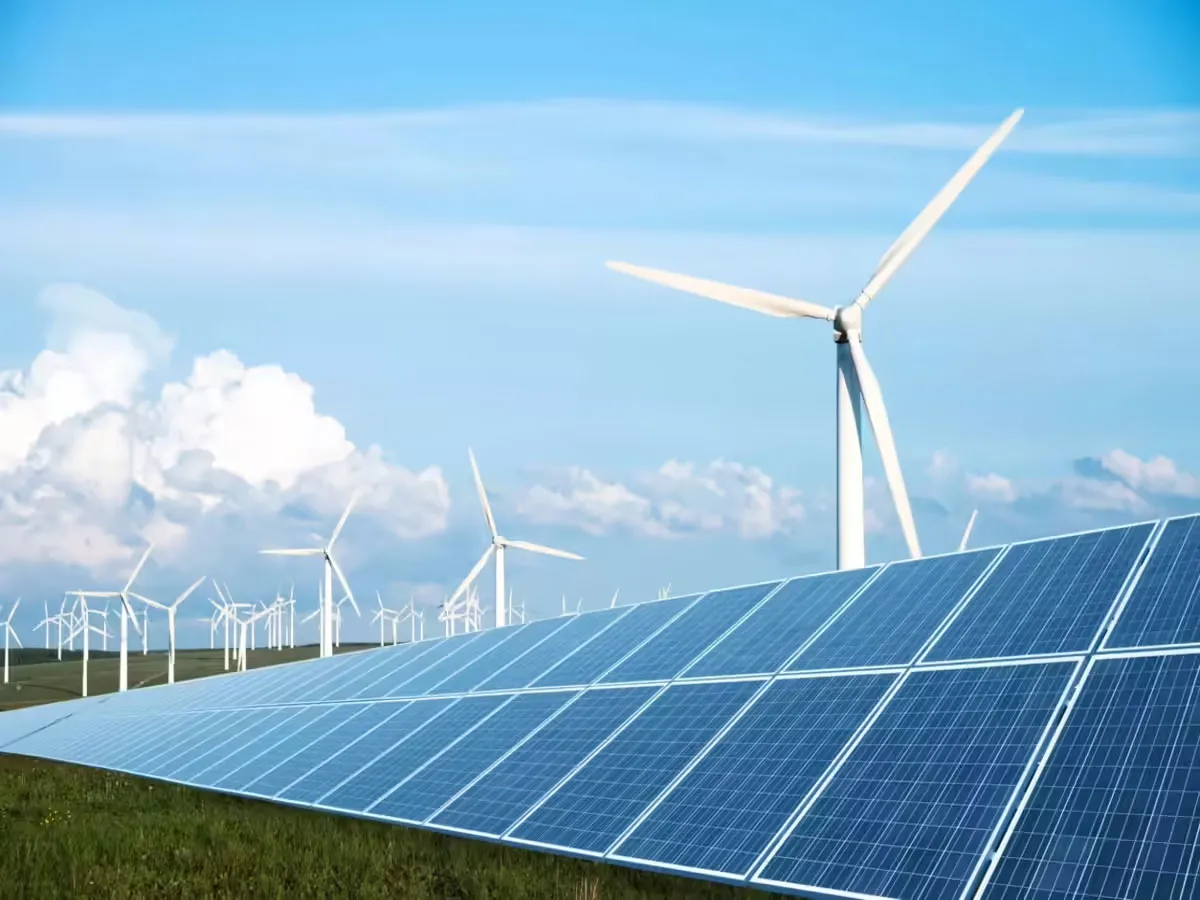
Solar power accounted for the largest share of new capacity, supported by strong project execution and declining technology costs. Wind energy also made a significant contribution, while biomass and small hydro projects added incremental capacity to the overall energy mix. Analysts said the pace of installations reflects sustained policy support, competitive tariffs and rising investor confidence in India’s renewable energy market.

The surge in capacity additions has helped India move closer to its medium-term climate and energy security goals and reinforced its position as one of the world’s fastest-growing renewable energy markets. Recent government data show that non-fossil fuel sources now account for more than half of the country’s total installed power generation capacity, a milestone achieved ahead of earlier timelines.

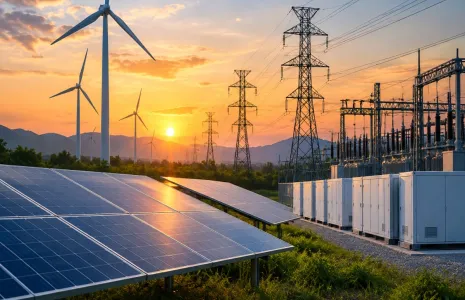
Industry executives expect renewable capacity growth to remain strong in 2026, supported by a large pipeline of projects under construction and continued interest from domestic and global investors. However, they cautioned that challenges such as transmission constraints, land acquisition issues and delays in signing power purchase agreements will need to be addressed to sustain the current momentum.

India’s renewable energy sector saw a sharp expansion in 2025, with the country adding around 48 gigawatts of new clean power capacity during the year, marking one of its strongest annual increases to date. Government and industry data show that the additions spanned solar, wind, hydro and other renewable sources, taking installations well above 2024 levels, when capacity additions stood at about 28 gigawatts. Even excluding large hydro projects, renewable additions were estimated at roughly 45 gigawatts, indicating broad-based growth across clean energy segments. Solar power accounted for the largest share of new capacity, supported by strong project execution and declining technology costs. Wind energy also made a significant contribution, while biomass and small hydro projects added incremental capacity to the overall energy mix. Analysts said the pace of installations reflects sustained policy support, competitive tariffs and rising investor confidence in India’s renewable energy market. The surge in capacity additions has helped India move closer to its medium-term climate and energy security goals and reinforced its position as one of the world’s fastest-growing renewable energy markets. Recent government data show that non-fossil fuel sources now account for more than half of the country’s total installed power generation capacity, a milestone achieved ahead of earlier timelines. Industry executives expect renewable capacity growth to remain strong in 2026, supported by a large pipeline of projects under construction and continued interest from domestic and global investors. However, they cautioned that challenges such as transmission constraints, land acquisition issues and delays in signing power purchase agreements will need to be addressed to sustain the current momentum.

Next Story
Infrastructure Energy

ONGC Caps Mori-5 Well in Five Days After Blowout

Oil and Natural Gas Corporation Limited (ONGC) has successfully established well control at the Mori-5 well, completing the capping operation within a record five days. The achievement underscores ONGC’s strong blowout response capability and operational discipline in managing critical field incidents.The blowout occurred on 5 January 2026 during service operations at the well being carried out by PEC contractor M/s Deep Industries Limited. ONGC immediately activated its in-house Crisis Management framework and mobilised specialised manpower and equipment to ensure rapid, safe and controlled..

Next Story
Infrastructure Urban

NIIT MTS Acquires SweetRush for Up to $26 Million

NIIT Learning Systems Limited, through its NIIT Managed Training Services (NIIT MTS) arm, has recently acquired 100 per cent of US-based SweetRush, Inc for an aggregate consideration of up to USD 26 million. The transaction was completed via NIIT MTS’ wholly owned subsidiary, NIIT (USA), Inc., and includes performance-linked earnouts over the next five years, subject to customary adjustments.Headquartered in San Francisco, SweetRush was founded in 2001 by Arturo Schwartzberg and Andrei Hedstrom. The company employs over 100 professionals, supported by an extended network of learning experts ..

Next Story
Infrastructure Urban

Lemon Tree–Fleur Restructuring to Create Two Focused Platforms

Lemon Tree Hotels Limited and Fleur Hotels Limited have recently announced that their Boards have approved a Composite Scheme of Arrangement to simplify group structure, sharpen strategic focus and unlock long-term shareholder value, subject to regulatory and shareholder approvals.The reorganisation will result in two distinct yet complementary platforms. Lemon Tree Hotels will operate as a pure-play, asset-light hotel management and brand platform, while Fleur Hotels, a subsidiary of Lemon Tree, will emerge as a large-scale hotel ownership and development platform with a strong growth pipelin..

Advertisement

Subscribe to Our Newsletter

Get daily newsletters around different themes from Construction world.

STAY CONNECTED

Advertisement

Advertisement

Advertisement

Advertisement

Open In App