India eyes offshore wind power to become carbon-neutral by 2070
POWER & RENEWABLE ENERGY

India eyes offshore wind power to become carbon-neutral by 2070

The Director-General of the International Renewable Energy Agency (IRENA), Francesco La Camera, told the media that India's focus on decarbonising its steel industry and developing offshore wind power will help it become carbon neutral by 2070.

La Camera said India was also on track to reach its 2030 net-zero emissions commitment to producing 50% of its energy from non-fossil fuels.

PM Narendra Modi has raised India's nationally determined contribution (NDC) goal of non-fossil energy capacity to 500 GW by 2030 from its recent 151 GW.

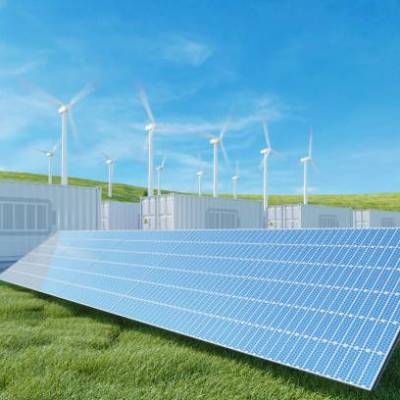
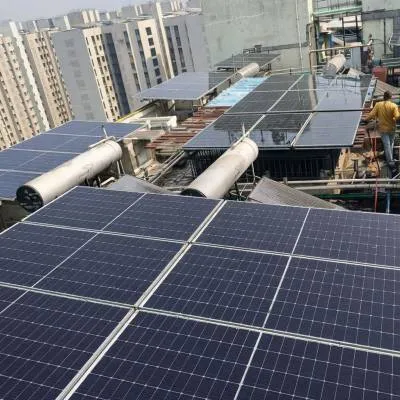
India's onshore wind capacity is over 40 GW, and grid-connected or centralised solar power capacity is around 60 GW.

According to the Council on Energy, Environment and Water (CEEW), India is already exploring pilot projects in offshore wind power but unlikely to enter that space until after 2030 as the technology is still expensive.

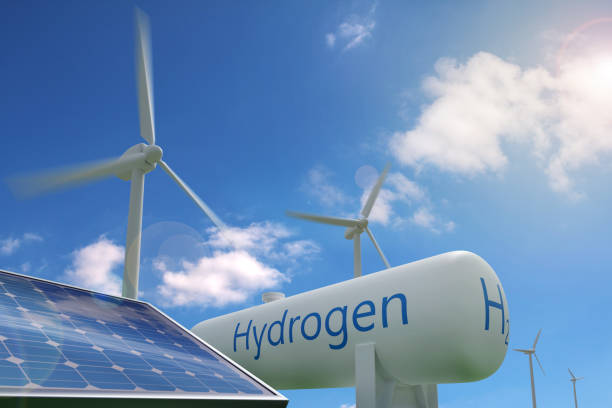
La Camera said the government expects green hydrogen made from water and clean electricity to power sectors, like steel, that find it difficult to reduce carbon dioxide emissions.

He also emphasised the need to set up standards and certification as India begins exporting green hydrogen with Reliance Industries Limited (RIL), Adani Enterprises, National Thermal Power Corporation (NTPC) Limited and Indian Oil Corporation, setting out manufacturing plans.

India plans to produce 5 million tonnes (mt) of green hydrogen annually by 2030 to meet its climate targets and become a global production and export hub for fuel.

Image Source

Also read: Govt announces new green hydrogen policy to cut down fossil fuel use

The Director-General of the International Renewable Energy Agency (IRENA), Francesco La Camera, told the media that India's focus on decarbonising its steel industry and developing offshore wind power will help it become carbon neutral by 2070. La Camera said India was also on track to reach its 2030 net-zero emissions commitment to producing 50% of its energy from non-fossil fuels. PM Narendra Modi has raised India's nationally determined contribution (NDC) goal of non-fossil energy capacity to 500 GW by 2030 from its recent 151 GW. India's onshore wind capacity is over 40 GW, and grid-connected or centralised solar power capacity is around 60 GW. According to the Council on Energy, Environment and Water (CEEW), India is already exploring pilot projects in offshore wind power but unlikely to enter that space until after 2030 as the technology is still expensive. La Camera said the government expects green hydrogen made from water and clean electricity to power sectors, like steel, that find it difficult to reduce carbon dioxide emissions. He also emphasised the need to set up standards and certification as India begins exporting green hydrogen with Reliance Industries Limited (RIL), Adani Enterprises, National Thermal Power Corporation (NTPC) Limited and Indian Oil Corporation, setting out manufacturing plans. India plans to produce 5 million tonnes (mt) of green hydrogen annually by 2030 to meet its climate targets and become a global production and export hub for fuel. Image Source Also read: Govt announces new green hydrogen policy to cut down fossil fuel use

Next Story
Infrastructure Energy

Vedanta Aluminium Uses 1.57 bn Units of Green Energy in FY25

Vedanta Aluminium, India’s largest aluminium producer, recently reported consumption of 1.57 billion units of renewable energy in FY25, marking a significant milestone in its 2030 decarbonisation roadmap. The company also achieved an 8.96 per cent reduction in greenhouse gas (GHG) emissions intensity compared to FY21, reinforcing its leadership in India’s low-carbon manufacturing transition. During FY25, Vedanta Aluminium expanded its renewable energy portfolio through long-term power purchase agreements, strengthening its strategy to source nearly 1,500 MW of renewable power over the lon..

Next Story
Real Estate

Oberoi Group to Develop Luxury Resort at Makaibari Tea Estate

EIH Limited, the flagship company of The Oberoi Group, has announced the signing of a management agreement to develop an Oberoi luxury resort at the iconic Makaibari Tea Estate in Darjeeling. The project marks a key milestone in the Group’s long-term strategy of creating distinctive hospitality experiences in rare and environmentally significant locations. Established in 1859, Makaibari is one of the world’s oldest tea estates and is globally recognised for its Himalayan landscape, primary forests and exceptional biodiversity. Spread across 1,236 acres, the estate houses one of the world..

Next Story
Real Estate

GHV Infra Secures Rs 1.09 Bn EPC Order in Jamshedpur

GHV Infra Projects Ltd, a fast-growing EPC company in India’s infrastructure and construction sector, has recently secured a Rs 1.09 billion work order in Jamshedpur, Jharkhand. Awarded by a reputed group entity, the contract covers end-to-end civil construction, mechanical, electrical and plumbing (MEP) systems, along with high-quality finishing works for a large building development. The project will be executed over a 30-month period, with defined benchmarks for quality, safety and timely delivery. The order strengthens GHV Infra’s footprint in Jamshedpur, a key industrial hub known fo..

Advertisement

Subscribe to Our Newsletter

Get daily newsletters around different themes from Construction world.

STAY CONNECTED

Advertisement

Advertisement

Advertisement

Advertisement

Open In App