India Hits 50 Per Cent Non-Fossil Power Target Ahead Of 2030
POWER & RENEWABLE ENERGY

India Hits 50 Per Cent Non-Fossil Power Target Ahead Of 2030

India marked a major milestone in its energy transition in 2025 by achieving 50 per cent non-fossil installed electricity capacity, five years ahead of its Nationally Determined Contribution target. Against a goal of 500 GW of non-fossil capacity by 2030, the country’s combined installed and pipeline capacity reached around 507 GW in 2025, underlining the pace of its clean energy expansion.

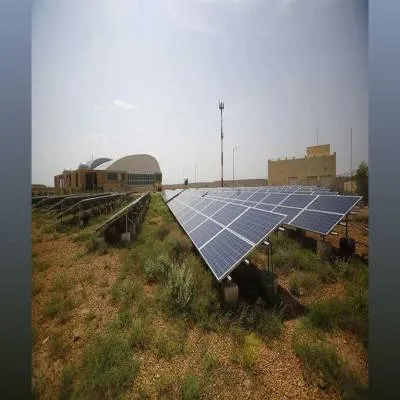
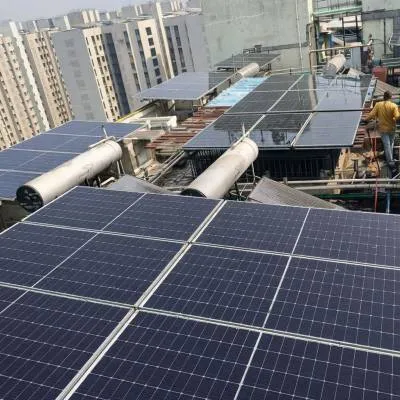
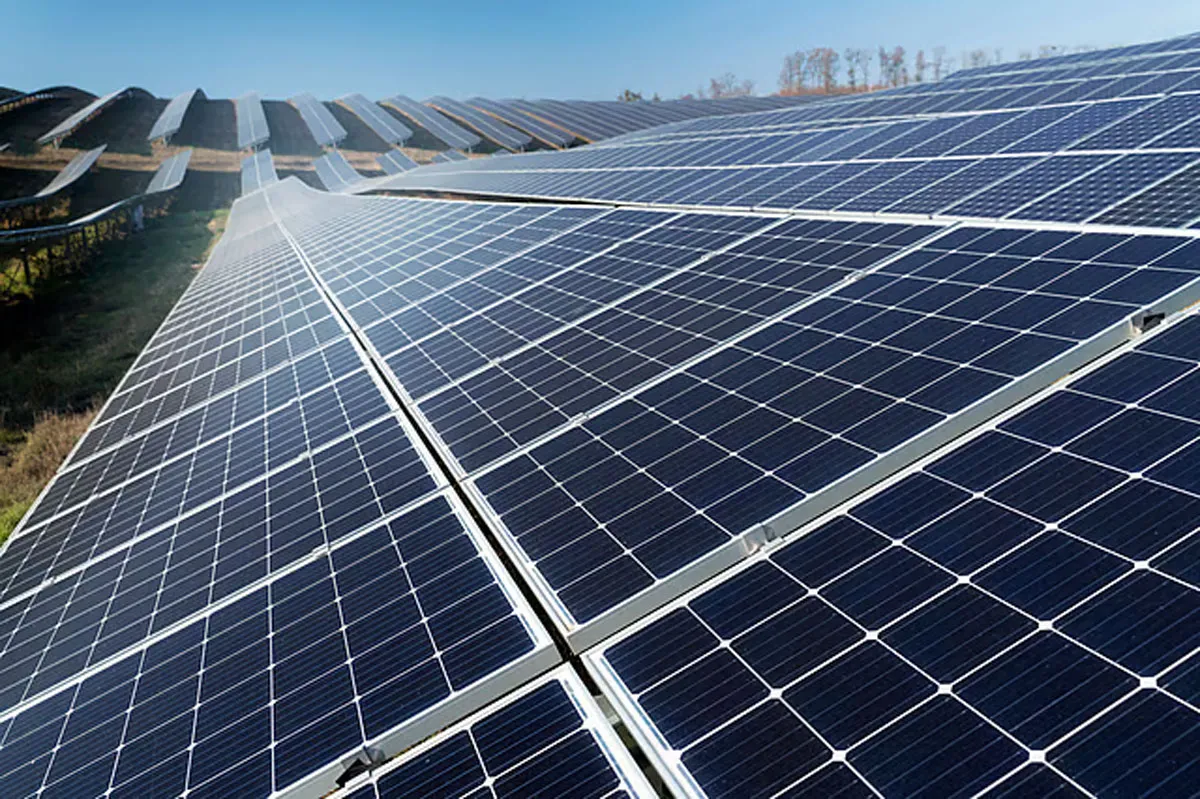
India’s total non-fossil capacity has risen from 81 GW to 263 GW, representing growth of about 225 per cent over the period. Solar energy has recorded the fastest expansion, increasing from 2.8 GW to 133 GW since 2014, a rise of around 4,550 per cent. This surge has been driven by large utility-scale solar projects, rooftop installations and hybrid renewable tenders. Government initiatives such as the PM Surya Ghar: Muft Bijli Yojana, which targets rooftop solar connections for 10 million households, have also played a significant role in accelerating adoption.

Wind energy capacity has grown steadily, rising from about 21 GW to 54 GW, an increase of roughly 155 per cent since 2014. Biopower capacity expanded from 8.1 GW to 12 GW, registering growth of around 42 per cent, supported by the use of agricultural residue and other organic materials for power generation.

Between 2022 and 2024, India emerged as the world’s third-largest contributor to global solar capacity additions, adding around 46 GW during the period. In a social media post in July 2025, Union Minister for New and Renewable Energy Pralhad Joshi said that achieving 50 per cent non-fossil fuel capacity five years ahead of schedule reflects India’s leadership in addressing climate change. He credited the guidance of Narendra Modi for steering the country towards a self-reliant and sustainable green transition.

Alongside capacity growth, 2025 also saw significant progress in domestic renewable energy manufacturing. Solar module manufacturing capacity expanded from 2 GW to 123 GW, representing growth of over 6,000 per cent. Solar cell manufacturing, which was almost negligible prior to 2014, has reached 27 GW, while wafer manufacturing capacity has increased to 2.2 GW. India has also established 3.2 GW of fully integrated manufacturing facilities covering the entire solar value chain, strengthening supply chains and reducing import dependence.

India’s clean energy push has received strong global recognition. In 2023, the country became the world’s third-largest solar power generator, overtaking Japan, with solar electricity generation of 108,494 GWh. According to the International Renewable Energy Agency, India’s energy transition has helped save nearly Rs 4 trillion in fossil fuel and pollution-related costs, including about USD 14.9 billion in direct fossil fuel savings.

In 2025, battery energy storage systems moved from being a future consideration to a core component of renewable energy growth. Policy support, including viability gap funding for grid-scale battery projects, has accelerated deployment. Pumped storage projects have also gained renewed momentum, with multiple schemes progressing through planning and approval stages across states.

India marked a major milestone in its energy transition in 2025 by achieving 50 per cent non-fossil installed electricity capacity, five years ahead of its Nationally Determined Contribution target. Against a goal of 500 GW of non-fossil capacity by 2030, the country’s combined installed and pipeline capacity reached around 507 GW in 2025, underlining the pace of its clean energy expansion. India’s total non-fossil capacity has risen from 81 GW to 263 GW, representing growth of about 225 per cent over the period. Solar energy has recorded the fastest expansion, increasing from 2.8 GW to 133 GW since 2014, a rise of around 4,550 per cent. This surge has been driven by large utility-scale solar projects, rooftop installations and hybrid renewable tenders. Government initiatives such as the PM Surya Ghar: Muft Bijli Yojana, which targets rooftop solar connections for 10 million households, have also played a significant role in accelerating adoption. Wind energy capacity has grown steadily, rising from about 21 GW to 54 GW, an increase of roughly 155 per cent since 2014. Biopower capacity expanded from 8.1 GW to 12 GW, registering growth of around 42 per cent, supported by the use of agricultural residue and other organic materials for power generation. Between 2022 and 2024, India emerged as the world’s third-largest contributor to global solar capacity additions, adding around 46 GW during the period. In a social media post in July 2025, Union Minister for New and Renewable Energy Pralhad Joshi said that achieving 50 per cent non-fossil fuel capacity five years ahead of schedule reflects India’s leadership in addressing climate change. He credited the guidance of Narendra Modi for steering the country towards a self-reliant and sustainable green transition. Alongside capacity growth, 2025 also saw significant progress in domestic renewable energy manufacturing. Solar module manufacturing capacity expanded from 2 GW to 123 GW, representing growth of over 6,000 per cent. Solar cell manufacturing, which was almost negligible prior to 2014, has reached 27 GW, while wafer manufacturing capacity has increased to 2.2 GW. India has also established 3.2 GW of fully integrated manufacturing facilities covering the entire solar value chain, strengthening supply chains and reducing import dependence. India’s clean energy push has received strong global recognition. In 2023, the country became the world’s third-largest solar power generator, overtaking Japan, with solar electricity generation of 108,494 GWh. According to the International Renewable Energy Agency, India’s energy transition has helped save nearly Rs 4 trillion in fossil fuel and pollution-related costs, including about USD 14.9 billion in direct fossil fuel savings. In 2025, battery energy storage systems moved from being a future consideration to a core component of renewable energy growth. Policy support, including viability gap funding for grid-scale battery projects, has accelerated deployment. Pumped storage projects have also gained renewed momentum, with multiple schemes progressing through planning and approval stages across states.

Next Story
Real Estate

Goldmedal Electricals Launches TurboX All-in-One Power Adaptor

Goldmedal Electricals has launched TurboX, a compact all-in-one power adaptor designed to meet the needs of modern, multi-device lifestyles. Built for everyday use and travel, TurboX combines four international sockets with two USB-A ports and one USB-C port, enabling users to charge multiple devices simultaneously without the need for multiple chargers.The adaptor has been designed with a strong focus on safety and convenience. Key features include built-in overload protection, safety shutters, a fire-retardant body and a master switch that allows users to cut power to all connected devices w..

Next Story
Infrastructure Transport

Guwahati Airport Records Highest-Ever Passenger Traffic in 2025

Lokapriya Gopinath Bardoloi International Airport (LGBIA), Guwahati, recorded its highest-ever passenger traffic in calendar year 2025, handling a total of 7.01 million passengers, according to a statement issued by the airport operator.Managed by Guwahati International Airport (GIAL), a subsidiary of Adani Airport Holdings (AAHL), the airport witnessed strong growth in both domestic and international travel during the year. Of the total passenger traffic, 3.5 million were domestic arrivals and 3.4 million were domestic departures. International traffic included 45,423 arrivals and 45,474 depa..

Next Story
Infrastructure Transport

Bhogapuram Airport to Receive First Trial Flight Today

The Alluri Sitarama Raju (Bhogapuram) International Airport in Andhra Pradesh is set to receive its first trial flight on Sunday, marking a key milestone in the development of one of the state’s most ambitious aviation projects.Union Civil Aviation Minister K Ram Mohan Naidu will fly directly from New Delhi and land at the airport at around 10.15 am as part of the trial operations. Officials said the exercise will involve a comprehensive evaluation of runway performance, air traffic coordination and ground handling systems, which are critical steps ahead of commercial certification.Located i..

Advertisement

Subscribe to Our Newsletter

Get daily newsletters around different themes from Construction world.

STAY CONNECTED

Advertisement

Advertisement

Advertisement

Advertisement

Open In App