India’s Gas Pipeline Network Crosses 25,000 km Mark
POWER & RENEWABLE ENERGY

India’s Gas Pipeline Network Crosses 25,000 km Mark

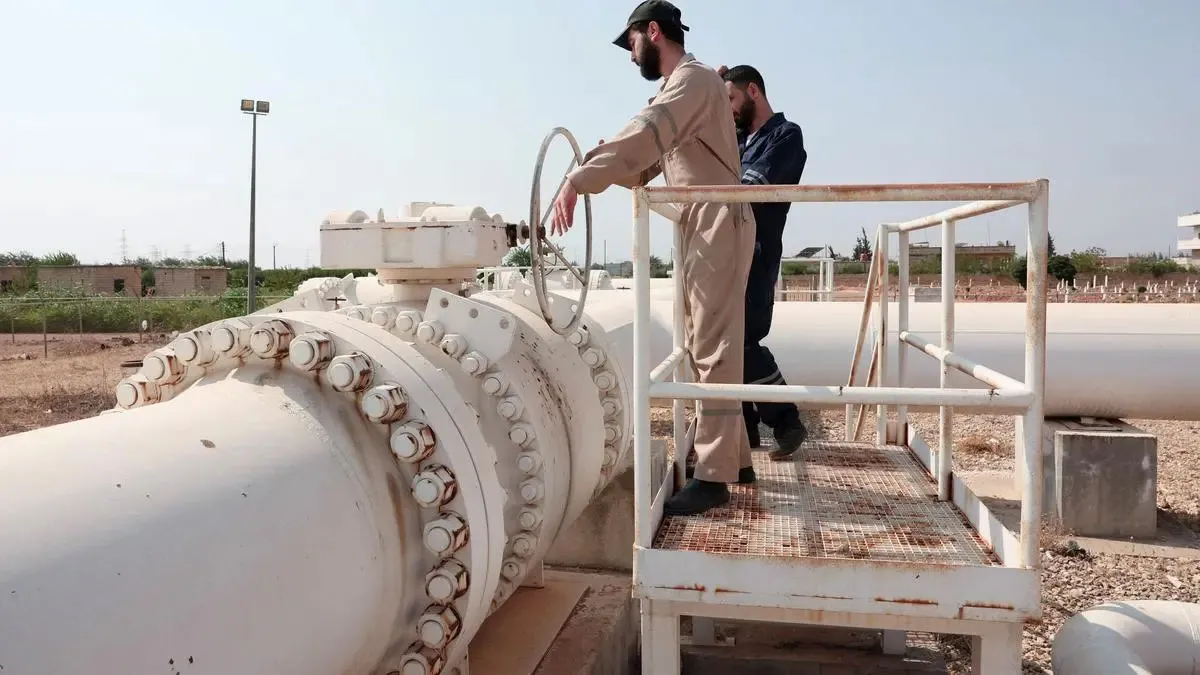
India’s operational natural gas pipeline network has expanded to 25,429 km as the country advances towards a fully connected national gas grid, strengthening energy security and enabling wider access to cleaner fuel across regions.

According to the Ministry of Petroleum and Natural Gas’ year-end review, work is currently under way on an additional 10,459 km of pipelines. To ensure uniform and equitable gas pricing, the Petroleum and Natural Gas Regulatory Board has implemented the “One Nation, One Grid, One Tariff” system, which standardises transportation charges across about 90 per cent of the pipeline network, preventing higher costs for consumers in distant locations.

Ensuring universal access to clean cooking fuel remained a key priority during the year. Under the Pradhan Mantri Ujjwala Yojana (PMUY), the number of beneficiaries reached around 103.5 million as of December 1, 2025. To clear pending applications and achieve near-total LPG coverage, the government approved the release of an additional 2.5 million LPG connections during FY26.

The eligibility process was simplified through the introduction of a single Deprivation Declaration, replacing the earlier multi-point self-declaration system and making access faster and more inclusive. LPG affordability was supported through a targeted subsidy of Rs 300 per 14.2 kg cylinder for up to nine refills per year for PMUY beneficiaries, leading to a steady rise in consumption.

Average per capita LPG usage increased from about three refills per year in FY20 to 4.47 refills in FY25, and further to a pro-rated level of around 4.85 refills per annum in FY26, reflecting sustained adoption of clean cooking fuel.

The Ministry also focused on strengthening petroleum marketing infrastructure. More than 90,000 retail outlets were equipped with digital payment facilities, supported by over 271,000 point-of-sale terminals. Door-to-door fuel delivery was expanded through the commissioning of over 3,200 bowsers, improving access in remote areas. Under the Swachh Bharat Mission, toilet facilities were ensured at nearly all retail outlets, with many providing separate facilities for men and women.

To enhance consumer safety, the Ministry conducted over 121.2 million free safety checks nationwide. In the fuel segment, ethanol blending in petrol reached 19.24 per cent during the year. The government also awarded 172 oil and gas blocks for exploration to boost domestic production.

India’s operational natural gas pipeline network has expanded to 25,429 km as the country advances towards a fully connected national gas grid, strengthening energy security and enabling wider access to cleaner fuel across regions. According to the Ministry of Petroleum and Natural Gas’ year-end review, work is currently under way on an additional 10,459 km of pipelines. To ensure uniform and equitable gas pricing, the Petroleum and Natural Gas Regulatory Board has implemented the “One Nation, One Grid, One Tariff” system, which standardises transportation charges across about 90 per cent of the pipeline network, preventing higher costs for consumers in distant locations. Ensuring universal access to clean cooking fuel remained a key priority during the year. Under the Pradhan Mantri Ujjwala Yojana (PMUY), the number of beneficiaries reached around 103.5 million as of December 1, 2025. To clear pending applications and achieve near-total LPG coverage, the government approved the release of an additional 2.5 million LPG connections during FY26. The eligibility process was simplified through the introduction of a single Deprivation Declaration, replacing the earlier multi-point self-declaration system and making access faster and more inclusive. LPG affordability was supported through a targeted subsidy of Rs 300 per 14.2 kg cylinder for up to nine refills per year for PMUY beneficiaries, leading to a steady rise in consumption. Average per capita LPG usage increased from about three refills per year in FY20 to 4.47 refills in FY25, and further to a pro-rated level of around 4.85 refills per annum in FY26, reflecting sustained adoption of clean cooking fuel. The Ministry also focused on strengthening petroleum marketing infrastructure. More than 90,000 retail outlets were equipped with digital payment facilities, supported by over 271,000 point-of-sale terminals. Door-to-door fuel delivery was expanded through the commissioning of over 3,200 bowsers, improving access in remote areas. Under the Swachh Bharat Mission, toilet facilities were ensured at nearly all retail outlets, with many providing separate facilities for men and women. To enhance consumer safety, the Ministry conducted over 121.2 million free safety checks nationwide. In the fuel segment, ethanol blending in petrol reached 19.24 per cent during the year. The government also awarded 172 oil and gas blocks for exploration to boost domestic production.

Next Story
Infrastructure Urban

Patil Reviews JSJB 2.0 Progress In Water-Stressed Districts

Union Minister of Jal Shakti C R Patil on Tuesday interacted with District Collectors and District Development Officers from 124 over-exploited and critical districts, as identified in the 2024 national groundwater assessment, to review progress on water conservation initiatives. Ministers of State V. Somanna and Dr Raj Bhushan Choudhary also attended the meeting, along with Secretary, Department of Water Resources, River Development and Ganga Rejuvenation, V L Kantha Rao, and senior officials from the Ministries of Jal Shakti and Rural Development. The review centred on Jal Sanchay Jan Bhagi..

Next Story
Infrastructure Urban

Jitendra Singh Inaugurates BRIC Secretariat In New Delhi

Ahead of the New Year, Union Minister of State (Independent Charge) for Science and Technology and Earth Sciences, and Minister of State in the PMO, Personnel, Public Grievances, Pensions, Atomic Energy and Space, Dr Jitendra Singh inaugurated the new Secretariat complex of the Biotechnology Research and Innovation Council (BRIC), calling it a key milestone for strengthening India’s future bioeconomy. The BRIC Secretariat office complex is located on the fourth floor of the NSIC Business Park in New Delhi. It will function as a lean coordinating mechanism to enhance collaboration among BRIC..

Next Story
Infrastructure Energy

PMO Pushes Listing Of Coal India Subsidiaries By 2030

The Prime Minister’s Office (PMO) has directed the Ministry of Coal to map and list all subsidiaries of state-run Coal India Limited (CIL) by 2030, according to sources. The move is aimed at streamlining governance, improving accountability and unlocking value through asset monetisation within the coal public sector undertaking. Coal India Limited accounts for more than 80 per cent of India’s domestic coal production and operates through eight subsidiaries: Eastern Coalfields Limited, Bharat Coking Coal Limited (BCCL), Central Coalfields Limited, Western Coalfields Limited, South Eastern ..

Advertisement

Subscribe to Our Newsletter

Get daily newsletters around different themes from Construction world.

STAY CONNECTED

Advertisement

Advertisement

Advertisement

Advertisement

Open In App