Khavda To Maharashtra Critical Power Transmission Link
POWER & RENEWABLE ENERGY

Khavda To Maharashtra Critical Power Transmission Link

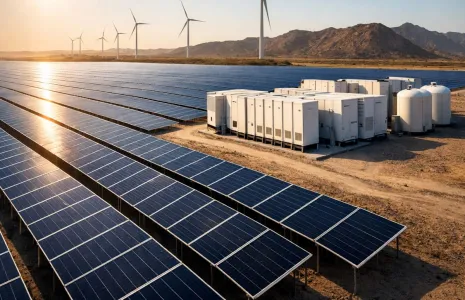
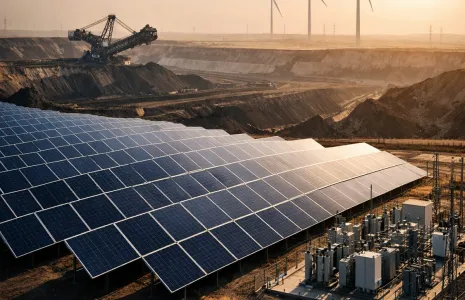
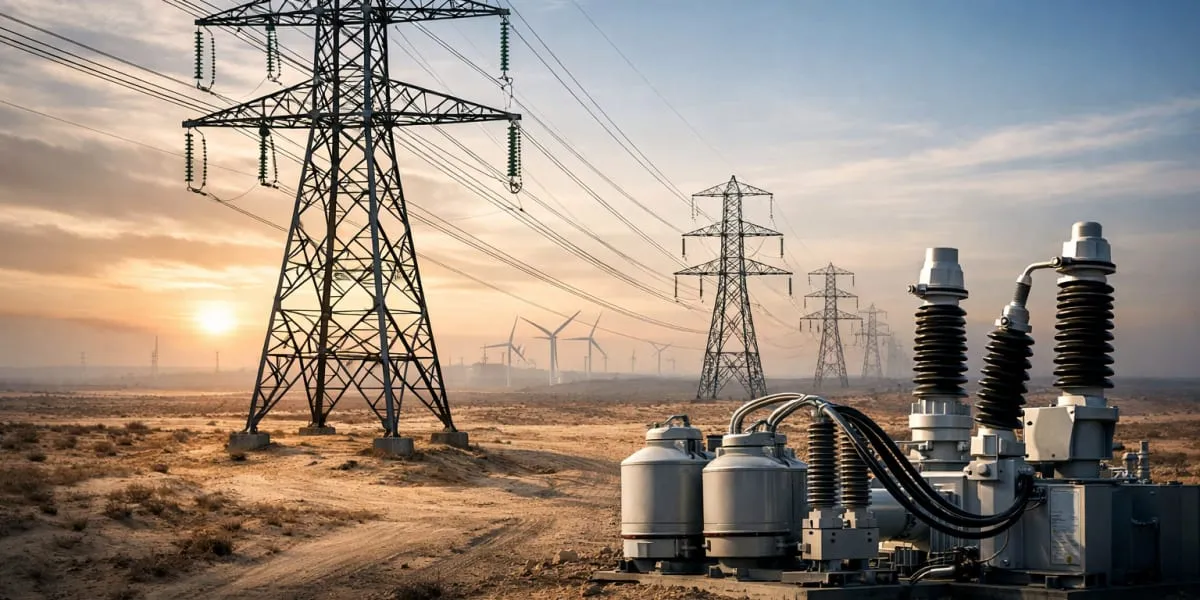
The Khavda IV C Power Transmission Project in the Rann of Kutch in western India is emerging as a major renewable energy corridor and a critical component of national infrastructure. Resonia Limited is constructing transmission towers and high-voltage lines to link generation sites to the national grid and to enable long distance power transfer. Transmission capacity and network resilience determine whether distant generation can be delivered safely and reliably to consumers.

The project is enabling the integration of an additional seven gigawatts (GW) of capacity into the national grid, creating a route for large scale renewable output to reach demand centres. Growing urban and industrial hubs in Maharashtra, including the Mumbai Metropolitan Region and Pune, will benefit from improved supply reliability and reduced risk of interruption. A robust transmission corridor supports industrial expansion, household supply and wider economic activity across the state.

India's target of 500 GW of non-fossil fuel based capacity by 2030 increases the imperative for transmission investment, since much renewable generation is located far from major demand centres. Strong interregional links are required to preserve grid stability and to balance variable output from wind and solar resources, while ensuring long term energy security. The Khavda IV C infrastructure therefore represents a strategic step towards meeting national objectives by creating the physical means to move large volumes of clean power.

Project implementation has emphasised stakeholder engagement, local employment and skills development alongside environmental measures, including mechanisation to limit land impact and tree plantation to enhance green cover. Resonia has framed the works as supporting sustainable development and resilient energy delivery for consumers across states. The transmission towers and lines being erected along the corridor are thus presented as essential pillars of India’s energy future.

"Join industry leaders at RAHSTA Expo, India's premier platform for roads, highways and traffic infrastructure. Register now to explore innovations, network with experts and shape the future of mobility."

The Khavda IV C Power Transmission Project in the Rann of Kutch in western India is emerging as a major renewable energy corridor and a critical component of national infrastructure. Resonia Limited is constructing transmission towers and high-voltage lines to link generation sites to the national grid and to enable long distance power transfer. Transmission capacity and network resilience determine whether distant generation can be delivered safely and reliably to consumers. The project is enabling the integration of an additional seven gigawatts (GW) of capacity into the national grid, creating a route for large scale renewable output to reach demand centres. Growing urban and industrial hubs in Maharashtra, including the Mumbai Metropolitan Region and Pune, will benefit from improved supply reliability and reduced risk of interruption. A robust transmission corridor supports industrial expansion, household supply and wider economic activity across the state. India's target of 500 GW of non-fossil fuel based capacity by 2030 increases the imperative for transmission investment, since much renewable generation is located far from major demand centres. Strong interregional links are required to preserve grid stability and to balance variable output from wind and solar resources, while ensuring long term energy security. The Khavda IV C infrastructure therefore represents a strategic step towards meeting national objectives by creating the physical means to move large volumes of clean power. Project implementation has emphasised stakeholder engagement, local employment and skills development alongside environmental measures, including mechanisation to limit land impact and tree plantation to enhance green cover. Resonia has framed the works as supporting sustainable development and resilient energy delivery for consumers across states. The transmission towers and lines being erected along the corridor are thus presented as essential pillars of India’s energy future.

Next Story
Infrastructure Energy

Centre Prioritising Energy Security With Coal Gasification

Union minister for Coal and Mines G Kishan Reddy said the Centre is prioritising energy security through a strategic shift to coal gasification and has announced incentives totalling Rs 460 billion (bn) to support the effort. He said more than 35 companies will start coal gasification activities in India within two months and that the government is encouraging firms that bring technology to close the domestic technology gap. The minister described the initiative as aimed at reducing import dependence and developing indigenous capacity. India has the fifth-largest coal reserve in the world, and..

Next Story
Infrastructure Urban

BHEL and Coal India Invest Rs 250 bn in Odisha Gasification

Bharat Heavy Electricals (BHEL) and Coal India (CIL) are jointly investing Rs 250 billion in a coal gasification project in Odisha, with the Prime Minister laying the foundation stone in Jharsuguda. Union Coal and Mines Minister G Kishan Reddy described the initiative as a transformative shift in coal utilisation that will open industrial avenues for the state. The project moves coal beyond conventional power generation to industrial feedstocks. Coal gasification will convert coal into synthesis gas, a versatile feedstock for chemicals, fertilisers and synthetic fuels, and the technology is ex..

Next Story
Infrastructure Energy

BCCL Hands Over Dugdha Coal Washery To JSW Steel

Bharat Coking Coal has handed over the Dugdha Coal Washery to JSW Steel, marking the first coal washery asset monetisation under the Ministry of Coal's asset monetisation programme. The handover took place in the presence of senior officials from Bharat Coking Coal Ltd, JSW Steel and JSW Energy. The washery has a capacity of two million tonnes per annum (mn t per annum), and its transfer is intended to introduce private sector practices into coal beneficiation operations. The monetisation is aimed at modernising coal sector assets, improving operational efficiency and enhancing resource utilis..

Advertisement

Subscribe to Our Newsletter

Get daily newsletters around different themes from Construction world.

STAY CONNECTED

Advertisement

Advertisement

Advertisement