Maharashtra Plans India’s First Thorium Power Plants
POWER & RENEWABLE ENERGY

Maharashtra Plans India’s First Thorium Power Plants

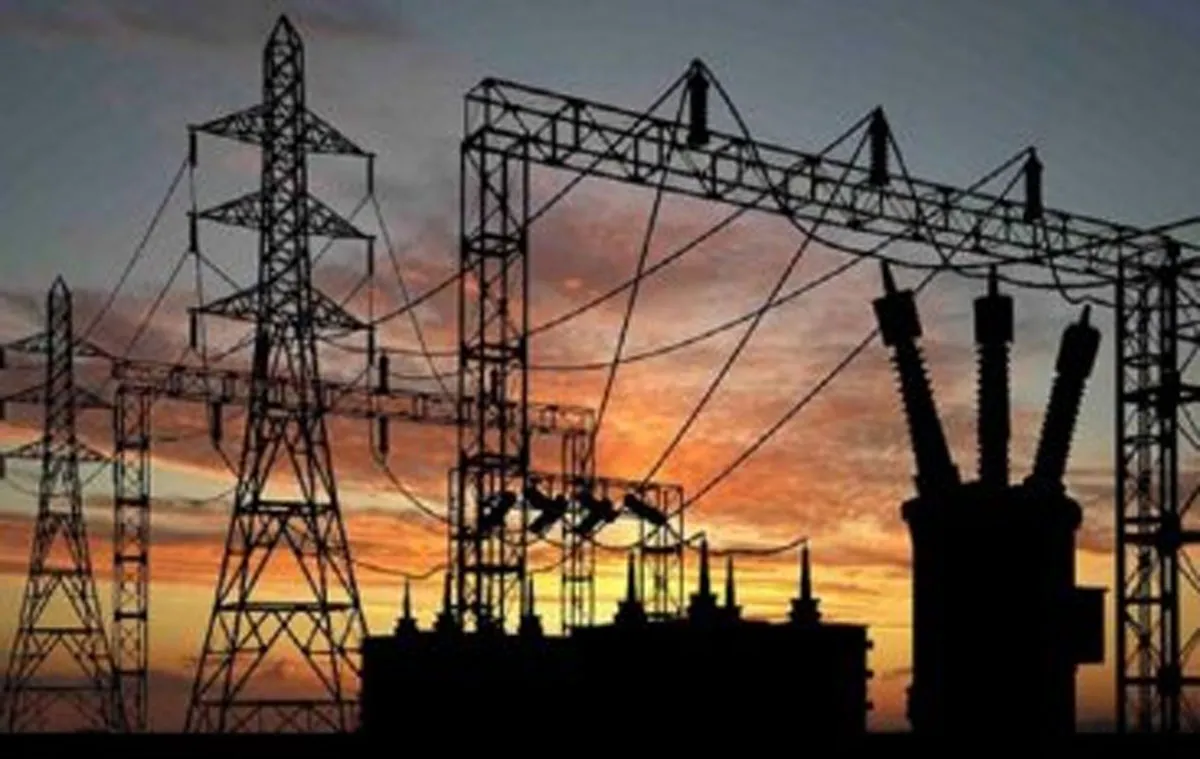
Maharashtra is in advanced discussions to establish India’s first thorium-based power plants, marking a significant step in the state’s long-term clean energy transition. The state government is working with the Department of Atomic Energy and Nuclear Power Corporation of India Limited to finalise plans for two thorium-fuelled nuclear units to be developed on land owned by the state power utility.

Under the proposal, one unit will have a capacity of 1,540 megawatts, while the second will have a capacity of 440 megawatts, taking the total planned capacity to 1,980 megawatts. The proposed facilities are expected to replace two ageing thermal power stations currently operated by the utility, supporting Maharashtra’s strategy to secure reliable baseload power while reducing dependence on fossil fuels and lowering long-term electricity costs.

Thorium is increasingly being positioned as a safer and more sustainable alternative to conventional nuclear fuel. Experts highlight that thorium reactors operate at atmospheric pressure and carry a lower risk of meltdown compared with uranium-based systems. India also possesses one of the world’s largest thorium reserves, strengthening the strategic case for domestic adoption of the technology.

Electricity generated from the proposed thorium plants is estimated to cost around Rs 3.50 per unit, which is lower than the cost of most thermal power generation, although initial capital investment is expected to be higher. The Maharashtra Institution for Transformation, the state government’s policy think tank, is coordinating the project design and implementation roadmap.

Earlier, Maharashtra had signed an agreement with Russia’s state nuclear company to explore thorium-based small modular reactors, but collaboration with India’s nuclear utility is now viewed as a more viable and cost-effective approach. Regulatory approvals and project clearances are expected in the coming months, paving the way for a potential breakthrough in India’s nuclear energy landscape.

Maharashtra is in advanced discussions to establish India’s first thorium-based power plants, marking a significant step in the state’s long-term clean energy transition. The state government is working with the Department of Atomic Energy and Nuclear Power Corporation of India Limited to finalise plans for two thorium-fuelled nuclear units to be developed on land owned by the state power utility. Under the proposal, one unit will have a capacity of 1,540 megawatts, while the second will have a capacity of 440 megawatts, taking the total planned capacity to 1,980 megawatts. The proposed facilities are expected to replace two ageing thermal power stations currently operated by the utility, supporting Maharashtra’s strategy to secure reliable baseload power while reducing dependence on fossil fuels and lowering long-term electricity costs. Thorium is increasingly being positioned as a safer and more sustainable alternative to conventional nuclear fuel. Experts highlight that thorium reactors operate at atmospheric pressure and carry a lower risk of meltdown compared with uranium-based systems. India also possesses one of the world’s largest thorium reserves, strengthening the strategic case for domestic adoption of the technology. Electricity generated from the proposed thorium plants is estimated to cost around Rs 3.50 per unit, which is lower than the cost of most thermal power generation, although initial capital investment is expected to be higher. The Maharashtra Institution for Transformation, the state government’s policy think tank, is coordinating the project design and implementation roadmap. Earlier, Maharashtra had signed an agreement with Russia’s state nuclear company to explore thorium-based small modular reactors, but collaboration with India’s nuclear utility is now viewed as a more viable and cost-effective approach. Regulatory approvals and project clearances are expected in the coming months, paving the way for a potential breakthrough in India’s nuclear energy landscape.

Next Story
Infrastructure Urban

Henkel, Rotary Recycle PoP Ganesha Idols Under Project HARMONY

Henkel India, in partnership with the Rotary Club of Navi Mumbai – Joy of Giving and with support from the Navi Mumbai Municipal Corporation (NMMC), has advanced circular sustainability through Project HARMONY by recycling Plaster of Paris (PoP) Ganesha idols into community learning assets. The initiative highlights an integrated approach to environmental restoration and social impact.As part of the project, materials collected after Ganesh Visarjan 2025 at Nerul were responsibly diverted from land and water bodies and processed at an authorised recycling facility, with on-ground execution s..

Next Story
Real Estate

Houssed.com Expands to 33 Cities, Crosses Rs 1 Bn in Deals

Proptech platform Houssed.com has expanded its presence to 33 cities across India, strengthening its national footprint as it crosses 50,000 verified property listings and facilitates real estate transactions worth over Rs 1 billion. The milestone marks a significant phase in the company’s growth as demand rises for transparent and technology-driven property discovery in India’s estimated $500-billion real estate market.The company said the expansion reflects increasing preference among homebuyers and developers for platforms that prioritise verification, accountability and customer trust...

Next Story
Infrastructure Urban

Hindustan Zinc to Set Up India’s First Zinc Tailings Recycling Unit

Hindustan Zinc, a Vedanta Group company and the world’s largest integrated zinc producer, has awarded contracts to CIMIC Group companies Sedgman and Leighton Asia for the development of India’s first zinc tailings recycling facility at its Rampura Agucha Mines in Rajasthan. The project marks a significant step towards adopting circular economy practices in the country’s mining sector.Tailings are finely ground residues left after mineral extraction and are traditionally treated as waste. However, they often contain residual quantities of valuable metals that were not recoverable using ea..

Advertisement

Subscribe to Our Newsletter

Get daily newsletters around different themes from Construction world.

STAY CONNECTED

Advertisement

Advertisement

Advertisement

Advertisement

Open In App