MNRE Allows Discoms To Use Surya Ghar Funds For BESS And Grid Upgrades
POWER & RENEWABLE ENERGY

MNRE Allows Discoms To Use Surya Ghar Funds For BESS And Grid Upgrades

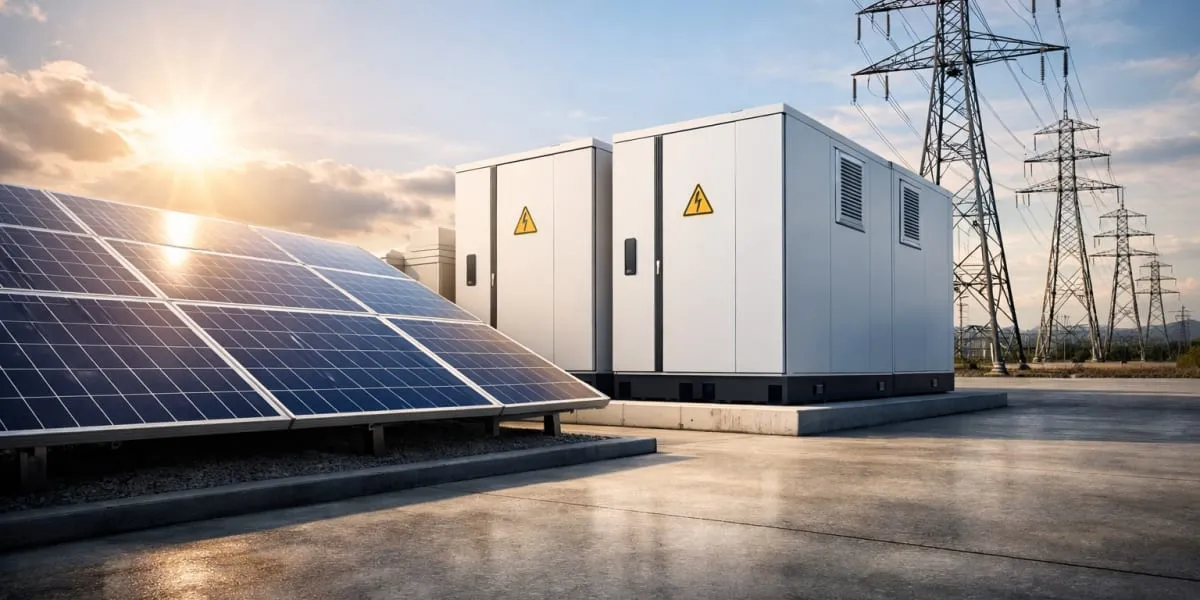
The Ministry of New and Renewable Energy (MNRE) has authorised distribution companies, or DISCOMs, to use unspent incentives under the PM Surya Ghar rooftop solar scheme for investments in battery energy storage system (BESS) and grid upgrades. The measure allows the transfer of remaining beneficiary balances from household solar accounts to support distribution network strengthening and storage deployment. The change aims to improve utilisation of sanctioned incentives and speed the integration of distributed renewable generation.

The abbreviation BESS will be used for battery energy storage system throughout the notification. The ministry indicates that BESS installations will store surplus rooftop solar output and release it during peak demand, while targeted network works will address bottlenecks and voltage variability. The approach will help to streamline project finance and shorten delays in connecting distributed resources.

Under the arrangement, DISCOMs will be able to aggregate unspent household balances and allocate them to locally prioritised projects that strengthen distribution feeders and improve system resilience. The move is intended to lower non technical losses and support more predictable load management as distributed resources expand. Implementing agencies are to maintain beneficiary consent records and digital accounting to reconcile transfers.

The ministry frames the decision as part of a broader effort to accelerate clean energy adoption and to meet national renewable targets. Stakeholders will be required to follow eligibility criteria and reporting norms that aim to protect household beneficiaries while enabling scaled deployment of storage and grid works. The policy is designed to support smoother integration of household solar without imposing additional financial burden on beneficiaries.

The Ministry of New and Renewable Energy (MNRE) has authorised distribution companies, or DISCOMs, to use unspent incentives under the PM Surya Ghar rooftop solar scheme for investments in battery energy storage system (BESS) and grid upgrades. The measure allows the transfer of remaining beneficiary balances from household solar accounts to support distribution network strengthening and storage deployment. The change aims to improve utilisation of sanctioned incentives and speed the integration of distributed renewable generation. The abbreviation BESS will be used for battery energy storage system throughout the notification. The ministry indicates that BESS installations will store surplus rooftop solar output and release it during peak demand, while targeted network works will address bottlenecks and voltage variability. The approach will help to streamline project finance and shorten delays in connecting distributed resources. Under the arrangement, DISCOMs will be able to aggregate unspent household balances and allocate them to locally prioritised projects that strengthen distribution feeders and improve system resilience. The move is intended to lower non technical losses and support more predictable load management as distributed resources expand. Implementing agencies are to maintain beneficiary consent records and digital accounting to reconcile transfers. The ministry frames the decision as part of a broader effort to accelerate clean energy adoption and to meet national renewable targets. Stakeholders will be required to follow eligibility criteria and reporting norms that aim to protect household beneficiaries while enabling scaled deployment of storage and grid works. The policy is designed to support smoother integration of household solar without imposing additional financial burden on beneficiaries.

Related Stories

Gold Stories

Next Story
Infrastructure Urban

PMC Approves Rs 5.78 bn Waste Processing Contract

The Pune Municipal Corporation approved a Rs 5.7796 billion (bn) fifteen-year contract to process 500 metric tonnes (t) of waste daily at the Devachi Uruli depot and allowed unauthorised overhead cables to remain temporarily for one year subject to a fee. The decision was taken by the civic body to appoint a private operator for an integrated waste facility covering about 12 acres. The approval frames the contract as an operational arrangement with a fixed base rate and annual adjustments. The contract was awarded to Bhoomi Green Energy Envirocare LLP, which quoted Rs 772 per t, compared with ..

Next Story
Infrastructure Urban

Kerala High Court to Inspect Brahmapuram Waste Plant

Two judges of the Kerala High Court, Justice Bechu Kurian Thomas and Justice Gopinath P, will inspect the Brahmapuram waste management plant on 11 September as part of the suo motu proceeding on the plant's maintenance. The inspection was scheduled to allow the bench to assess conditions on site and to verify representations made by municipal and state authorities. The court listed the site visit during a hearing and directed officials to prepare for an on-site review. The bench instructed authorities to file a detailed report on the plant's present functioning ahead of the visit. It said the ..

Next Story
Infrastructure Transport

Ahmedabad Geetamandir Bus Port Terminal Two Ready with Airport Facilities

Ahmedabad’s Geetamandir Bus Port has completed a separate Terminal Two, which is ready to serve passengers travelling to Saurashtra-Kutch and North Gujarat. The facility has been developed with airport like facilities to improve passenger comfort and ease of travel. Deputy Chief Minister Harsh Sanghvi is scheduled to inaugurate the new terminal today. Authorities say the design focuses on smoother boarding and reduced congestion. Terminal Two will become operational from 13 August and is expected to handle 1,091 buses daily servicing routes to Saurashtra-Kutch and North Gujarat. The new arra..

Advertisement

Subscribe to Our Newsletter

Get daily newsletters around different themes from Construction world.

STAY CONNECTED

Advertisement