Nalco Plans Green Power Shift for Aluminium Operations
POWER & RENEWABLE ENERGY

Nalco Plans Green Power Shift for Aluminium Operations

State-owned National Aluminium Company Ltd (Nalco) is accelerating its transition towards renewable energy, with plans to develop 200–300 megawatts of green power capacity backed by battery storage to ensure reliable supply and significantly reduce carbon emissions from its power-intensive smelting operations.

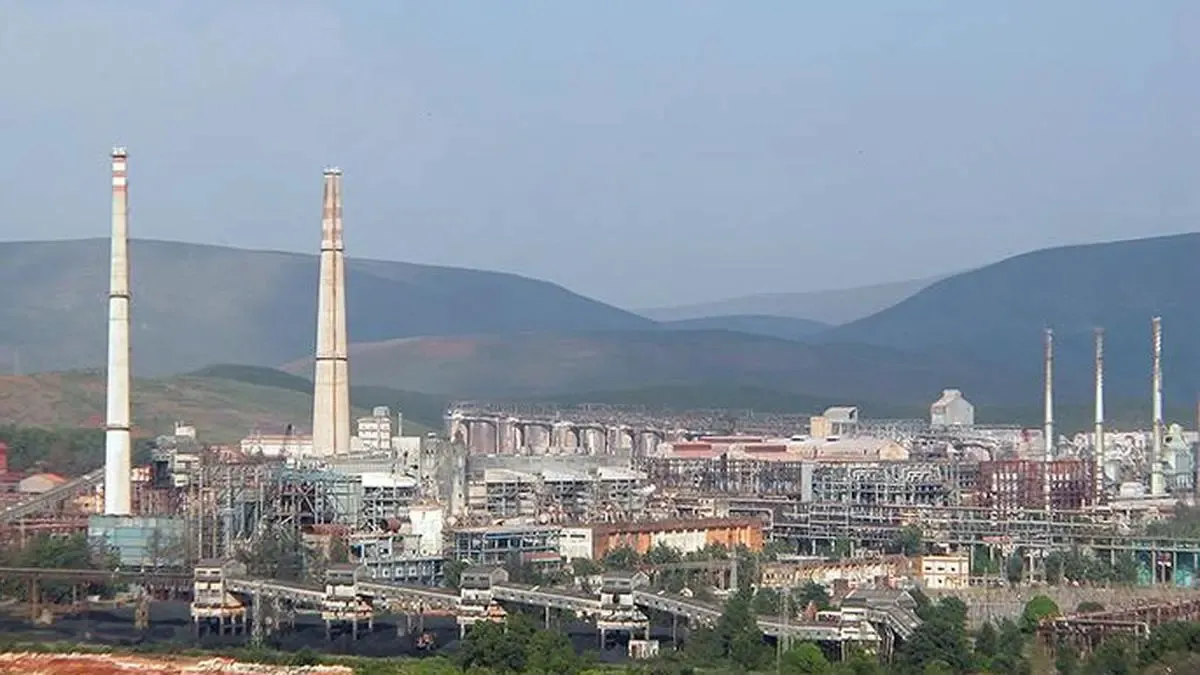
Nalco currently depends entirely on coal-based captive power plants, which account for around 80 per cent of its total carbon emissions. The company aims to ramp up its efforts to produce green aluminium as part of its long-term sustainability strategy, according to Chairman and Managing Director Brijendra Pratap Singh.

Power costs form a substantial share of aluminium production expenses, with smelting accounting for roughly 35–40 per cent of total costs. Nalco’s in-house coal-based power is currently priced at around Rs 3–3.5 per unit, while green power tariffs range between Rs 4.5 and 5 per unit, highlighting the cost challenges associated with the transition.

To address these challenges, Nalco is pursuing multiple approaches, including signing power purchase agreements, developing its own renewable power plants and appointing a consultant to design strategies for securing green energy at competitive costs with round-the-clock availability. The planned 200–300 megawatts of renewable capacity with battery storage is expected to play a critical role in reducing emissions while maintaining operational reliability.

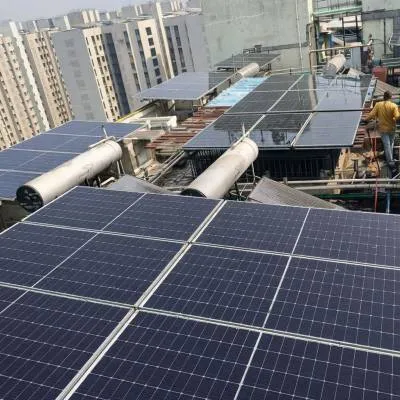
Despite higher green power tariffs and concerns over supply consistency, Nalco views the shift as essential for sustainable aluminium production. As part of its green initiatives, the company has already installed 198 megawatts of wind power capacity across various locations in India, along with rooftop solar systems totalling 1,020 kilowatt-peak at its facilities.

Alongside its energy transition, Nalco is advancing major expansion projects in its core aluminium business. The company plans to add a fifth stream at its alumina refinery, increasing capacity from 2.1 million tonnes to 3.1 million tonnes. To secure raw material supply, Nalco is developing the Pottangi bauxite mines in Koraput district, Odisha, with mining lease deeds already signed and operations expected to begin shortly.

Nalco has also commenced coal mining from the Utkal D and E blocks to reduce fuel costs and is undertaking a brownfield expansion of its smelter with an additional capacity of 0.5 million tonnes per annum, reinforcing its growth strategy alongside its sustainability goals.

State-owned National Aluminium Company Ltd (Nalco) is accelerating its transition towards renewable energy, with plans to develop 200–300 megawatts of green power capacity backed by battery storage to ensure reliable supply and significantly reduce carbon emissions from its power-intensive smelting operations. Nalco currently depends entirely on coal-based captive power plants, which account for around 80 per cent of its total carbon emissions. The company aims to ramp up its efforts to produce green aluminium as part of its long-term sustainability strategy, according to Chairman and Managing Director Brijendra Pratap Singh. Power costs form a substantial share of aluminium production expenses, with smelting accounting for roughly 35–40 per cent of total costs. Nalco’s in-house coal-based power is currently priced at around Rs 3–3.5 per unit, while green power tariffs range between Rs 4.5 and 5 per unit, highlighting the cost challenges associated with the transition. To address these challenges, Nalco is pursuing multiple approaches, including signing power purchase agreements, developing its own renewable power plants and appointing a consultant to design strategies for securing green energy at competitive costs with round-the-clock availability. The planned 200–300 megawatts of renewable capacity with battery storage is expected to play a critical role in reducing emissions while maintaining operational reliability. Despite higher green power tariffs and concerns over supply consistency, Nalco views the shift as essential for sustainable aluminium production. As part of its green initiatives, the company has already installed 198 megawatts of wind power capacity across various locations in India, along with rooftop solar systems totalling 1,020 kilowatt-peak at its facilities. Alongside its energy transition, Nalco is advancing major expansion projects in its core aluminium business. The company plans to add a fifth stream at its alumina refinery, increasing capacity from 2.1 million tonnes to 3.1 million tonnes. To secure raw material supply, Nalco is developing the Pottangi bauxite mines in Koraput district, Odisha, with mining lease deeds already signed and operations expected to begin shortly. Nalco has also commenced coal mining from the Utkal D and E blocks to reduce fuel costs and is undertaking a brownfield expansion of its smelter with an additional capacity of 0.5 million tonnes per annum, reinforcing its growth strategy alongside its sustainability goals.

Next Story
Real Estate

Union Budge: Infra-Led Urban Shift

The Union Budget FY27 reinforces infrastructure-led urbanisation as the backbone of India’s real estate and housing growth. Higher public capital expenditure, City Economic Regions, risk-mitigation mechanisms and REIT-led asset monetisation are being widely viewed as long-term enablers, even as the industry continues to seek sharper supply-side reforms and affordability-focused measures. Here are a few industry insights:Dr Niranjan Hiranandani, Chairman, NAREDCO & Hiranandani Group“The Union Budget 2026-27 is growth-oriented and stability-focused, supporting consumption and aiming to s..

Next Story
Infrastructure Urban

Budget 2026 Charts Path for Infrastructure-Led, Tech-Driven Growth

The Union Budget 2026–27 signals strong continuity in India’s macroeconomic strategy, anchored in elevated public capital expenditure, fiscal discipline, and a sharper focus on manufacturing, infrastructure, and regional development. With capital outlay pegged at ₹12.2 lakh crore and a fiscal deficit target of around 4.3 per cent, the Budget balances growth ambition with stability, offering long-term visibility to investors and project developers.A dominant theme is the centrality of infrastructure as a multiplier for economic expansion. Public capex now accounts for over 3.3 per cent of..

Next Story
Infrastructure Energy

Tata Power Arm Crosses 10 GW EPC Milestone

Tata Power Renewable Energy Ltd (TPREL) has achieved a major milestone by executing 10 gigawatts of engineering, procurement and construction (EPC) renewable energy projects to date, reinforcing its position in India’s clean energy infrastructure sector. According to the company, the executed portfolio comprises 4.2 gigawatts of in-house projects and 5.8 gigawatts of third-party projects. Of the total 10 gigawatts commissioned so far, 9.7 gigawatts are solar projects and 290 megawatts are wind projects. In the first nine months of FY26, TPREL commissioned 1.88 gigawatts of EPC renewable en..

Advertisement

Subscribe to Our Newsletter

Get daily newsletters around different themes from Construction world.

STAY CONNECTED

Advertisement

Advertisement

Advertisement

Advertisement

Open In App