+
NCRTC Signs Pact For Solar Plant To Power Namo Bharat Corridor
POWER & RENEWABLE ENERGY

NCRTC Signs Pact For Solar Plant To Power Namo Bharat Corridor

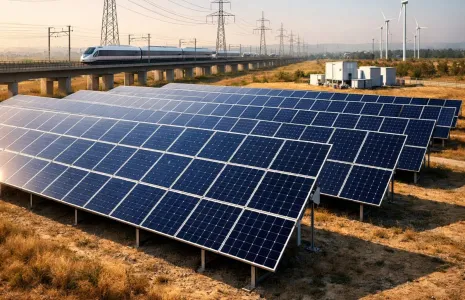
NCRTC has signed a power purchase agreement for a 110 megawatt (MW) solar plant in Jaulan, Uttar Pradesh, to supply electricity to the Delhi-Meerut Namo Bharat corridor. The plant is expected to meet nearly 60 per cent of the corridor's electricity requirement. The project will be developed by NIRL NCRTC Renewables Ltd, a joint venture between NCRTC and NIRL, a wholly owned subsidiary of Neyveli Lignite Corporation.

The solar plant is estimated to cost around Rs 4.5 billion (bn) and is slated for commissioning within the next 24 months. NCRTC will procure electricity from the plant at a fixed tariff for 25 years, with power supplied through the Uttar Pradesh state grid to substations in Uttar Pradesh and Delhi across the corridor. The arrangement is intended to provide greater predictability in energy costs and to reduce dependence on conventionally generated power.

Electricity currently accounts for around 30-35 per cent of the corridor's operational cost and the captive solar project is expected to reduce annual electricity expenditure by about 25 per cent. The scheme is also projected to lower carbon dioxide emissions by about 0.177 million (mn) tonne (t) annually and to reduce emissions of nitrogen oxides and sulphur dioxide. The project is being positioned as a renewable energy initiative for regional rapid transit and metro systems.

Ridership on the Delhi-Meerut corridor has risen since full commissioning in February, with around 0.1 mn passengers using the corridor daily and cumulative ridership exceeding 40 mn passenger journeys. The corridor recorded its highest daily ridership of more than 0.168 mn passengers on 28 August, coinciding with Raksha Bandhan. NCRTC indicated the project could provide a model for integrating captive renewable power into urban and regional transport networks.

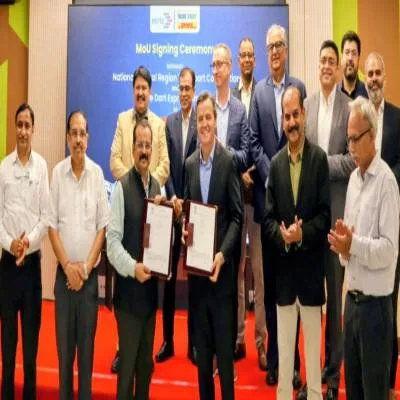
The signing took place in New Delhi and was attended by NCRTC and NIRL executives including the managing director and directors for finance and electricals and rolling stock. The corporation said the move will enhance energy security for the corridor and deliver more predictable operating costs over the long term.

NCRTC has signed a power purchase agreement for a 110 megawatt (MW) solar plant in Jaulan, Uttar Pradesh, to supply electricity to the Delhi-Meerut Namo Bharat corridor. The plant is expected to meet nearly 60 per cent of the corridor's electricity requirement. The project will be developed by NIRL NCRTC Renewables Ltd, a joint venture between NCRTC and NIRL, a wholly owned subsidiary of Neyveli Lignite Corporation. The solar plant is estimated to cost around Rs 4.5 billion (bn) and is slated for commissioning within the next 24 months. NCRTC will procure electricity from the plant at a fixed tariff for 25 years, with power supplied through the Uttar Pradesh state grid to substations in Uttar Pradesh and Delhi across the corridor. The arrangement is intended to provide greater predictability in energy costs and to reduce dependence on conventionally generated power. Electricity currently accounts for around 30-35 per cent of the corridor's operational cost and the captive solar project is expected to reduce annual electricity expenditure by about 25 per cent. The scheme is also projected to lower carbon dioxide emissions by about 0.177 million (mn) tonne (t) annually and to reduce emissions of nitrogen oxides and sulphur dioxide. The project is being positioned as a renewable energy initiative for regional rapid transit and metro systems. Ridership on the Delhi-Meerut corridor has risen since full commissioning in February, with around 0.1 mn passengers using the corridor daily and cumulative ridership exceeding 40 mn passenger journeys. The corridor recorded its highest daily ridership of more than 0.168 mn passengers on 28 August, coinciding with Raksha Bandhan. NCRTC indicated the project could provide a model for integrating captive renewable power into urban and regional transport networks. The signing took place in New Delhi and was attended by NCRTC and NIRL executives including the managing director and directors for finance and electricals and rolling stock. The corporation said the move will enhance energy security for the corridor and deliver more predictable operating costs over the long term.

Related Stories

Gold Stories

Next Story
Infrastructure Urban

Third Parties Can Move Court Against Unauthorised Construction

The Calcutta High Court (High Court) Circuit Bench at Port Blair held that a third party or public?spirited citizen can approach the writ court when municipal authorities fail to act against unauthorised construction, noting the burden on civic amenities and safety hazards. The Division Bench (Bench) of Justice Shampa Sarkar and Justice Arjun Ray Mukherjee upheld demolition directions for unauthorised portions of a hotel in Sri Vijaya Puram, subject to the regularisation scheme. The Bench rejected the appellant's locus contention. The Bench relied on the Supreme Court decision in Deepak Kumar ..

Next Story
Infrastructure Urban

Rs 16.67 bn Plan to Transform Srinagar Airport by 2031

The Jammu and Kashmir administration has submitted a proposal for a Rs 16.67 billion (bn) expansion of the Civil Enclave at Srinagar International Airport with a target completion year of 2031. The proposal was approved by the Cabinet Committee on Economic Affairs on 24 February 2026 and forwarded to the Ministry of Home Affairs with detailed project parameters and cost estimates. The stated intention is to lift annual passenger handling markedly to address rising travel demand and to modernise core terminal infrastructure. The scheme envisages the construction of a new Integrated Terminal Bui..

Next Story
Infrastructure Energy

India Pushes Self-Reliance In Critical Minerals

Minister of State for Coal and Mines Satish Chandra Dubey said at an industry roadshow in Raipur that India has made continuous efforts to become self-reliant in critical minerals to secure domestic industrial and clean energy supply chains. The roadshow was intended to connect state authorities with industry leaders to address operational and technical aspects. The event facilitated dialogue between entrepreneurs and officials to explain technical matters. The engagement comes against the backdrop of the National Critical Mineral Mission (NCMM), introduced for a seven-year period from 2024-25..

Advertisement

Subscribe to Our Newsletter

Get daily newsletters around different themes from Construction world.

STAY CONNECTED

Advertisement

SPECIAL OFFER
QR Code