New CSIR-NPL Facilities Boost Green, Solar Standards
POWER & RENEWABLE ENERGY

New CSIR-NPL Facilities Boost Green, Solar Standards

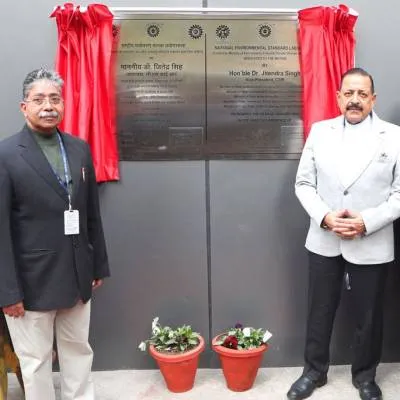
New facilities being established at the CSIR-National Physical Laboratory (CSIR-NPL), including the world’s second National Environmental Standard Laboratory and the world’s fifth National Primary Standard Facility for Solar Cell Calibration, are expected to significantly advance India’s environmental governance and renewable energy ecosystem, the Union Minister of State for Science and Technology (Independent Charge) said.

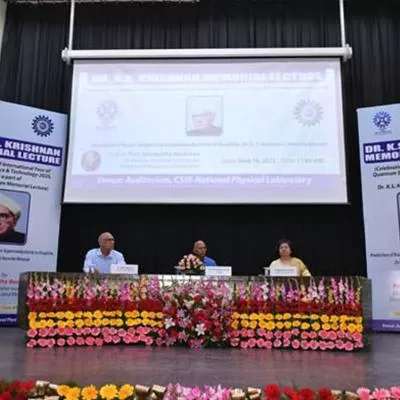
The minister inaugurated the new national laboratories during the 80th anniversary celebrations of CSIR-NPL, describing the National Environmental Standard Laboratory as a critical step towards strengthening India’s environmental monitoring framework. He said the facility will enable calibration and certification of air pollution monitoring systems that are reliable, India-specific and scientifically traceable.

According to the minister, the new laboratory will make environmental data more accessible and accurate, supporting regulators, industries and start-ups alike. Devices tested under Indian climatic conditions are expected to improve compliance with initiatives such as the National Clean Air Programme and enhance the quality of environmental policymaking.

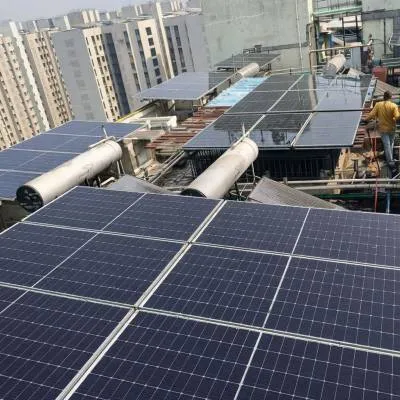
The Solar Energy Complex was described as a future-ready facility that places India among a select group of global leaders in photovoltaic measurement standards. A laser-based solar cell calibration meter developed in collaboration with PTB Germany has achieved the lowest uncertainty globally at 0.35 per cent (k=2) for reference solar cell calibration.

The minister said the new solar calibration facility will reduce India’s dependence on overseas certification agencies, lower costs, shorten calibration timelines and strengthen investor confidence in the country’s rapidly growing solar power sector.

He added that science and technology reforms will play a decisive role in shaping India’s socio-economic development. Referring to institutions such as CSIR-NPL as “monuments of twentieth and twenty-first century India”, he said they reflect the country’s long journey from pre-Independence scientific activity to global technological leadership.

CSIR-NPL, which functioned even during the colonial period, later emerged as a pillar of India’s scientific foundation after Independence. The minister noted that CSIR predates independent India, making NPL one of the earliest among the 37 CSIR laboratories.

He also highlighted the laboratory’s historical contribution to the establishment of Indian Standard Time, noting that for many years NPL’s atomic clock served as the reference time for much of the country. He added that Indian researchers today are no longer isolated from society but are central to the nation’s aspirations and development goals.

New facilities being established at the CSIR-National Physical Laboratory (CSIR-NPL), including the world’s second National Environmental Standard Laboratory and the world’s fifth National Primary Standard Facility for Solar Cell Calibration, are expected to significantly advance India’s environmental governance and renewable energy ecosystem, the Union Minister of State for Science and Technology (Independent Charge) said. The minister inaugurated the new national laboratories during the 80th anniversary celebrations of CSIR-NPL, describing the National Environmental Standard Laboratory as a critical step towards strengthening India’s environmental monitoring framework. He said the facility will enable calibration and certification of air pollution monitoring systems that are reliable, India-specific and scientifically traceable. According to the minister, the new laboratory will make environmental data more accessible and accurate, supporting regulators, industries and start-ups alike. Devices tested under Indian climatic conditions are expected to improve compliance with initiatives such as the National Clean Air Programme and enhance the quality of environmental policymaking. The Solar Energy Complex was described as a future-ready facility that places India among a select group of global leaders in photovoltaic measurement standards. A laser-based solar cell calibration meter developed in collaboration with PTB Germany has achieved the lowest uncertainty globally at 0.35 per cent (k=2) for reference solar cell calibration. The minister said the new solar calibration facility will reduce India’s dependence on overseas certification agencies, lower costs, shorten calibration timelines and strengthen investor confidence in the country’s rapidly growing solar power sector. He added that science and technology reforms will play a decisive role in shaping India’s socio-economic development. Referring to institutions such as CSIR-NPL as “monuments of twentieth and twenty-first century India”, he said they reflect the country’s long journey from pre-Independence scientific activity to global technological leadership. CSIR-NPL, which functioned even during the colonial period, later emerged as a pillar of India’s scientific foundation after Independence. The minister noted that CSIR predates independent India, making NPL one of the earliest among the 37 CSIR laboratories. He also highlighted the laboratory’s historical contribution to the establishment of Indian Standard Time, noting that for many years NPL’s atomic clock served as the reference time for much of the country. He added that Indian researchers today are no longer isolated from society but are central to the nation’s aspirations and development goals.

Next Story
Infrastructure Transport

CMRL to Open 15.8 km Chennai Metro Phase II in February

Chennai Metro Rail (CMRL) has revised its rollout strategy for Phase II of the Chennai Metro, deciding to commission the entire 15.8-km stretch between Poonamallee Bypass and Vadapalani directly in February. The move marks a shift from the earlier plan of launching services on a shorter section first and extending them in stages.Initially, CMRL had proposed to start operations on the Poonamallee Bypass–Porur Junction stretch by the end of January, with services extended to Vadapalani in February. However, officials said the revised approach would allow commuters to benefit from better connec..

Next Story
Infrastructure Transport

Power Mech Emerges L1 for Mumbai Monorail O&M Contract

Power Mech Projects has emerged as the lowest bidder (L1) for the operations and maintenance (O&M) contract of the Mumbai Monorail project, officials said. The contract was floated by the Mumbai Metropolitan Region Development Authority (MMRDA) with a tenure of 1,825 days, or five years.MMRDA had invited bids for the O&M work of the Mumbai Monorail corridor from Sant Gadge Maharaj Chowk to Chembur. Technical bids were opened on November 12, 2025, with four firms submitting bids for the contract. Following the technical evaluation conducted on January 1, 2026, two bidders were disqualif..

Next Story
Infrastructure Transport

E to E Transportation Clarifies SECR Contract Value at Rs 270.35 Mn

NSE Emerge-listed E to E Transportation Infrastructure has issued a clarification on the value of a railway signalling and telecommunication contract awarded by the South East Central Railway (SECR), Raipur Division, after identifying a typographical error in its earlier regulatory disclosure.In a filing dated January 4, 2026, the company said the correct value of the Letter of Acceptance (LoA) is Rs 270.34 million, and not Rs 2.73 billion as previously stated in an announcement uploaded on the NSE Emerge portal earlier the same day. The company noted that the incorrect figure was the result o..

Advertisement

Subscribe to Our Newsletter

Get daily newsletters around different themes from Construction world.

STAY CONNECTED

Advertisement

Advertisement

Advertisement

Advertisement

Open In App