+
NTPC’s Chhabra Power Expansion Faces Possible Cancellation
POWER & RENEWABLE ENERGY

NTPC’s Chhabra Power Expansion Faces Possible Cancellation

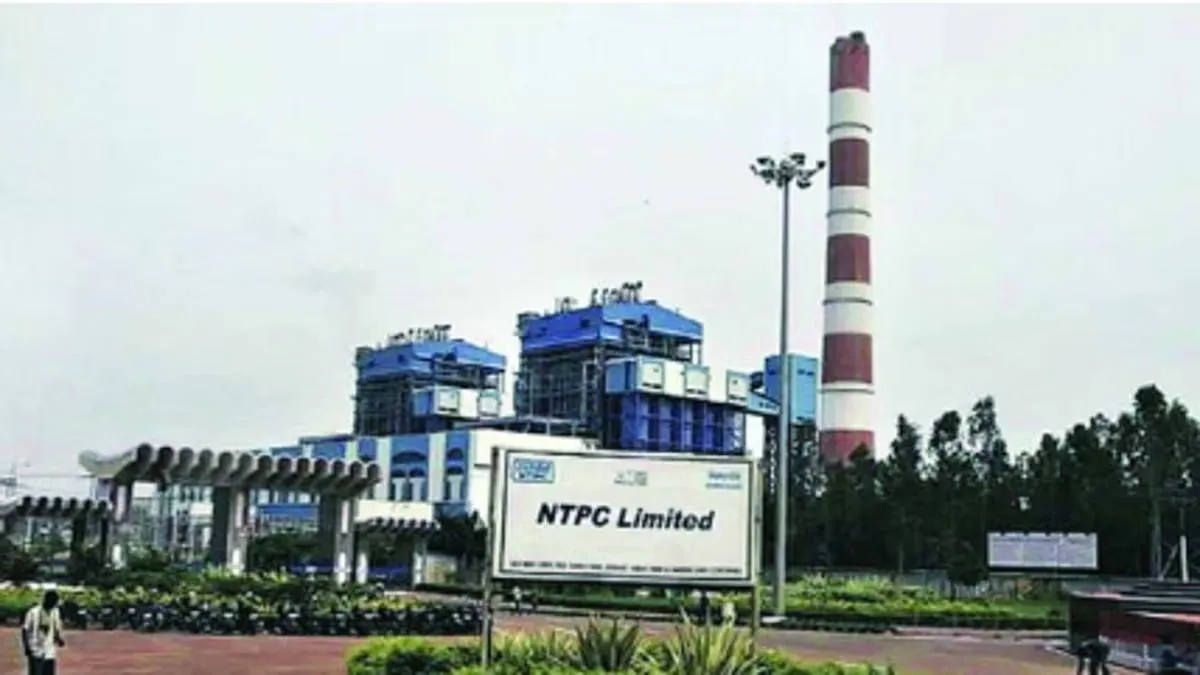
A proposed Rs 150 billion expansion of Rajasthan’s Chhabra Thermal Power Plant by NTPC is unlikely to proceed, with regulatory records indicating that the Memorandum of Understanding (MoU) between NTPC and Rajasthan Rajya Vidyut Utpadan Nigam Limited (RVUNL) has been reviewed and is “likely to be cancelled due to persisting critical issues”.

The development casts uncertainty over plans to add 1,320 MW of coal-based capacity through two units of 660 MW each at one of Rajasthan’s key thermal power facilities. It also reflects growing regulatory reluctance to treat intent-based agreements as assured capacity in power sector planning.

The status of the Chhabra expansion was discussed during deliberations of the Energy Assessment Committee in August 2025, when the committee examined whether projects supported only by MoUs with central public sector undertakings could be considered firm capacity under resource adequacy assessments. RVUNL informed the committee that such projects remain at an early stage and are affected by unresolved regulatory approvals, fuel transfer arrangements and coal logistics, making their execution uncertain.

Following these submissions, the committee concluded that MoU-based projects should not be automatically treated as tied-up capacity and must be assessed individually. In the case of Chhabra, the committee noted that the MoU with NTPC had been reviewed and was likely to be cancelled due to unresolved issues.

Regulatory documents emphasise that an MoU represents only a preliminary expression of intent between a state government and public sector undertakings. It does not constitute a binding commitment on project commissioning, tariffs or assured capacity availability for distribution companies. The viability of such projects depends on techno-economic studies, regulatory approvals, coal logistics and power purchase agreements. Treating MoUs as firm capacity, the documents warn, is neither technically sound nor aligned with prudent resource planning norms.

Located in Rajasthan’s Baran district, the Chhabra Thermal Power Plant currently has an installed capacity of 2,320 MW, comprising four units of 250 MW and two units of 660 MW, operated by RVUNL. The proposed NTPC-led expansion was expected to significantly strengthen Rajasthan’s baseload power portfolio, but the project has remained at the planning stage for several years.

People familiar with the matter said negotiations were repeatedly hindered by disagreements over ownership and control of the proposed joint venture, with NTPC seeking management control. Uncertainty over coal linkage, fuel transfer mechanisms and evolving environmental compliance requirements further complicated the project’s financial viability. Without clarity on fuel security and governance, committing capital on this scale became increasingly difficult, according to a senior official.

Queries sent to NTPC regarding the status of the Chhabra MoU and the regulatory concerns did not receive a response.

The likely cancellation of the Chhabra project comes as Rajasthan reassesses its thermal power strategy while accelerating its renewable energy push. Although the state has approved additional coal-based capacity in recent years, regulators are tightening scrutiny of projects lacking execution certainty. Officials noted that assumptions about future coal capacity significantly influence long-term power procurement planning and investment signals, and counting projects that may not materialise could distort resource adequacy assessments.

Originally planned as a state government-owned project under RVUNL, the expansion was later considered as a joint venture with NTPC due to financial constraints. Experts suggest that uncertainty surrounding public sector projects, combined with planned retirement of around 1.3 GW of coal capacity over the next five years and limited new investments, could reduce the share of public sector generation in Rajasthan. This shift may also indicate the state government’s intent to create a more favourable environment for private investment in the power sector.

A proposed Rs 150 billion expansion of Rajasthan’s Chhabra Thermal Power Plant by NTPC is unlikely to proceed, with regulatory records indicating that the Memorandum of Understanding (MoU) between NTPC and Rajasthan Rajya Vidyut Utpadan Nigam Limited (RVUNL) has been reviewed and is “likely to be cancelled due to persisting critical issues”. The development casts uncertainty over plans to add 1,320 MW of coal-based capacity through two units of 660 MW each at one of Rajasthan’s key thermal power facilities. It also reflects growing regulatory reluctance to treat intent-based agreements as assured capacity in power sector planning. The status of the Chhabra expansion was discussed during deliberations of the Energy Assessment Committee in August 2025, when the committee examined whether projects supported only by MoUs with central public sector undertakings could be considered firm capacity under resource adequacy assessments. RVUNL informed the committee that such projects remain at an early stage and are affected by unresolved regulatory approvals, fuel transfer arrangements and coal logistics, making their execution uncertain. Following these submissions, the committee concluded that MoU-based projects should not be automatically treated as tied-up capacity and must be assessed individually. In the case of Chhabra, the committee noted that the MoU with NTPC had been reviewed and was likely to be cancelled due to unresolved issues. Regulatory documents emphasise that an MoU represents only a preliminary expression of intent between a state government and public sector undertakings. It does not constitute a binding commitment on project commissioning, tariffs or assured capacity availability for distribution companies. The viability of such projects depends on techno-economic studies, regulatory approvals, coal logistics and power purchase agreements. Treating MoUs as firm capacity, the documents warn, is neither technically sound nor aligned with prudent resource planning norms. Located in Rajasthan’s Baran district, the Chhabra Thermal Power Plant currently has an installed capacity of 2,320 MW, comprising four units of 250 MW and two units of 660 MW, operated by RVUNL. The proposed NTPC-led expansion was expected to significantly strengthen Rajasthan’s baseload power portfolio, but the project has remained at the planning stage for several years. People familiar with the matter said negotiations were repeatedly hindered by disagreements over ownership and control of the proposed joint venture, with NTPC seeking management control. Uncertainty over coal linkage, fuel transfer mechanisms and evolving environmental compliance requirements further complicated the project’s financial viability. Without clarity on fuel security and governance, committing capital on this scale became increasingly difficult, according to a senior official. Queries sent to NTPC regarding the status of the Chhabra MoU and the regulatory concerns did not receive a response. The likely cancellation of the Chhabra project comes as Rajasthan reassesses its thermal power strategy while accelerating its renewable energy push. Although the state has approved additional coal-based capacity in recent years, regulators are tightening scrutiny of projects lacking execution certainty. Officials noted that assumptions about future coal capacity significantly influence long-term power procurement planning and investment signals, and counting projects that may not materialise could distort resource adequacy assessments. Originally planned as a state government-owned project under RVUNL, the expansion was later considered as a joint venture with NTPC due to financial constraints. Experts suggest that uncertainty surrounding public sector projects, combined with planned retirement of around 1.3 GW of coal capacity over the next five years and limited new investments, could reduce the share of public sector generation in Rajasthan. This shift may also indicate the state government’s intent to create a more favourable environment for private investment in the power sector.

Next Story
Infrastructure Urban

Eicher Delivers First 13.5 m Electric Intercity Sleeper Bus

Eicher Trucks & Buses, a business unit of VE Commercial Vehicles Ltd., has recently delivered its first 13.5 m electric intercity sleeper bus, marking a key milestone in India’s long-distance electric mobility segment. The first bus is being operated by LeafyBus, with plans to deploy 35 buses by March 2026 across high-demand intercity corridors in North India.The initial deployment will cover routes such as Delhi–Dehradun and Delhi–Lucknow, supporting LeafyBus’ expansion across environmentally sensitive and high-density travel corridors.Commenting on the partnership, Suresh Chettia..

Next Story
Infrastructure Urban

HCSS Showcases Unified Construction Platform at CONEXPO 2026

HCSS will recently present the next evolution of its connected construction management platform at CONEXPO-CON/AGG 2026, bringing together construction workflows, data and teams on a single platform across the entire project lifecycle. The event will be held from 3–7 March 2026 in Las Vegas, Nevada. HCSS will host two booths at the show, demonstrating how its integrated software ecosystem enables seamless collaboration between the office, field and shop, from bid stage through to project closeout. Steve McGough, President and CEO, HCSS, said, “For 40 years, we’ve done everything within..

Next Story
Building Material

Berger Paints Q3 Profit Declines Despite Volume Growth

Berger Paints India has reported a mixed performance for the quarter ended 31 December 2025, with healthy volume growth and margin improvement offset by softer demand conditions and cost pressures. On a consolidated basis, revenue from operations for the quarter stood at Rs 29,840 million, compared to Rs 29,751 million in the corresponding quarter last year, reflecting a marginal increase of 0.3 per cent. EBITDA (excluding other income) was Rs 4,710 million, slightly lower than Rs 4,717 million a year earlier. Net profit declined by 8.3 per cent to Rs 2,713 million from Rs 2,960 million. Sta..

Advertisement

Subscribe to Our Newsletter

Get daily newsletters around different themes from Construction world.

STAY CONNECTED

Advertisement

Advertisement

Advertisement

Open In App