Palli in J&K becomes India's first carbon-neutral solar panchayat
POWER & RENEWABLE ENERGY

Palli in J&K becomes India's first carbon-neutral solar panchayat

Palli in the Jammu and Kashmir border district of Samba entered as India's first carbon-neutral panchayat with PM Narendra Modi inaugurating a 500 KV solar power plant.

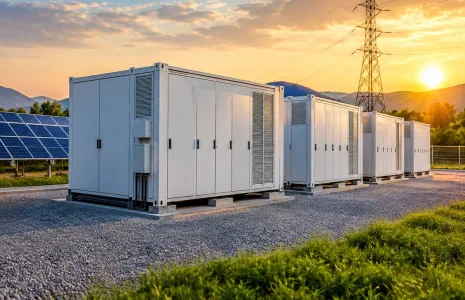
Overall, 1,500 solar panels installed on a 6,408 sq m area will provide clean electricity to 340 houses in the model panchayat under the Gram Urja Swaraj programme of the government.

The Palli village has entered into the history of India as the first carbon-neutral solar village.

From the macadamised roads to the electric bus service, the village located 17 km from Jammu is witnessing a huge transformation with an upgraded Panchayat Ghar, renovated government high school building, a new pond and improved playgrounds.

According to an official, the solar power project was completed with an investment of Rs 2.75 crore. The electricity generated from this project will be distributed to the village, having a daily requirement of 2,000 units, through the local power grid station.

The village has 450 houses, has been provided solar Chulhas or stoves, and all the houses will be covered by the next phase after PM Modi's visit.

Image Source

Also read: J&K LG Inaugurates 24 Transmission and Distribution Projects

Palli in the Jammu and Kashmir border district of Samba entered as India's first carbon-neutral panchayat with PM Narendra Modi inaugurating a 500 KV solar power plant. Overall, 1,500 solar panels installed on a 6,408 sq m area will provide clean electricity to 340 houses in the model panchayat under the Gram Urja Swaraj programme of the government. The Palli village has entered into the history of India as the first carbon-neutral solar village. From the macadamised roads to the electric bus service, the village located 17 km from Jammu is witnessing a huge transformation with an upgraded Panchayat Ghar, renovated government high school building, a new pond and improved playgrounds. According to an official, the solar power project was completed with an investment of Rs 2.75 crore. The electricity generated from this project will be distributed to the village, having a daily requirement of 2,000 units, through the local power grid station. The village has 450 houses, has been provided solar Chulhas or stoves, and all the houses will be covered by the next phase after PM Modi's visit. Image Source Also read: J&K LG Inaugurates 24 Transmission and Distribution Projects

Next Story
Infrastructure Urban

India Expands Semiconductor Training To 500 Institutions

Under the Chips to Startups programme of the India Semiconductor Mission, the Union minister responsible for Railways, Information and Broadcasting, and Electronics and IT reported notable progress in talent development. He indicated that over the past four years substantial steps have been taken towards a 10-year target of training 85,000 engineers in semiconductor design. World-class EDA tools have been deployed in 315 academic institutions across the country to provide students with practical exposure to chip design. These EDA tools are supported by leading global firms and are accessible t..

Next Story
Infrastructure Urban

Delhi Institutions Support India Semiconductor Mission

The Government of India has prioritised talent development through training, upskilling and workforce development under the Chips to Startups initiative of the India Semiconductor Mission, with officials noting progress in four years towards a 10-year target of training 85,000 engineers in semiconductor design. Electronic design automation tools provided by Synopsys, Cadence, Siemens, Renesas, Ansys and AMD have been deployed in 315 academic institutions, enabling students to gain practical chip design experience. Chips have been fabricated and tested at the Semiconductor Laboratory, Mohali, a..

Next Story
Infrastructure Urban

NHA Announces Winners Of NHCX Hackathon At IIT Hyderabad

The National Health Authority (NHA) has concluded the NHCX Hackathon under the Ayushman Bharat Digital Mission (ABDM) to stimulate innovation around the National Health Claims Exchange (NHCX). The winning teams presented their solutions at the NHCX Innovation Meet held at IIT Hyderabad during a two-day event in March 2026 that also served as the hackathon grand finale. The hackathon itself ran from 22 to 28 February 2026 and aimed to accelerate paperless, transparent claims processing across India. The event was organised with a range of ecosystem partners, including the Insurance Regulatory a..

Advertisement

Subscribe to Our Newsletter

Get daily newsletters around different themes from Construction world.

STAY CONNECTED

Advertisement

Advertisement

Advertisement