PSPCL To Procure 250 MW Solar Power Ahead Of Paddy Season
POWER & RENEWABLE ENERGY

PSPCL To Procure 250 MW Solar Power Ahead Of Paddy Season

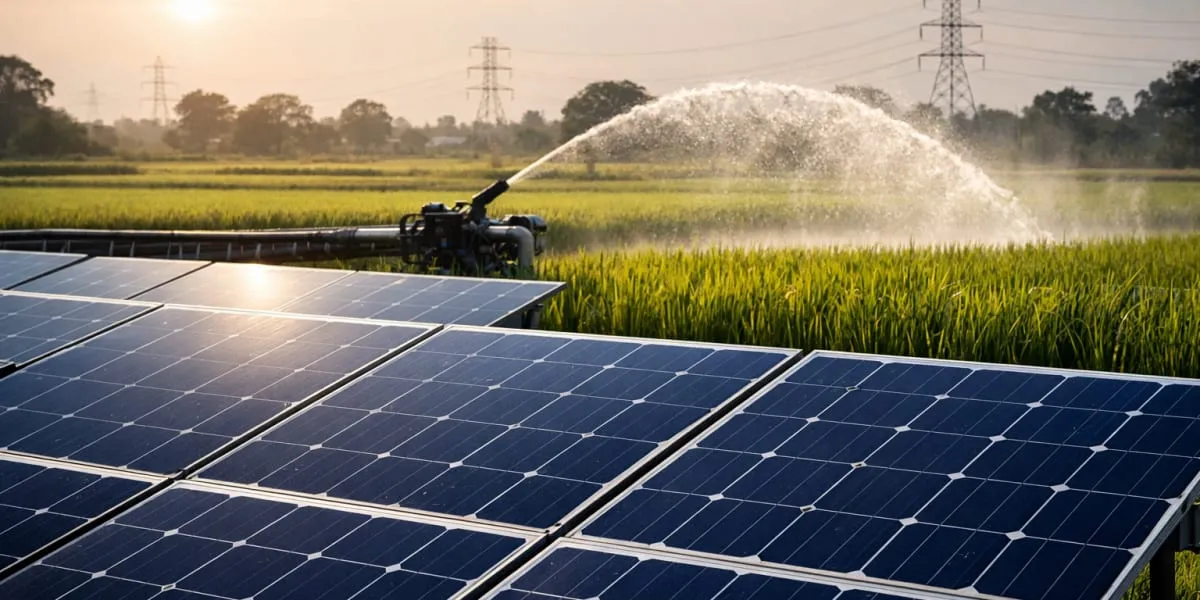
The Punjab State Power Corporation Limited (PSPCL) has moved to secure 250 megawatt (MW) of solar power ahead of the upcoming paddy season as part of measures to bolster supply during a period of heightened agricultural demand. The procurement aims to add firm renewable capacity to the state grid in advance of intensive irrigation cycles that typically lift electricity consumption. The initiative forms part of a short-term procurement drive designed to align supply with anticipated seasonal needs.

PSPCL plans to integrate the additional solar generation to offset reliance on costlier thermal sources and to ease pressure on distribution and transmission networks during peak pump irrigation hours. By increasing the share of renewable energy available to the grid, the utility expects to smooth daily load curves and reduce procurement costs while maintaining system stability. The move is intended to provide more predictable supply to farmers and to reduce the need for emergency purchases in the power market.

The procurement is timed to precede the period when paddy transplantation and irrigation create sustained demand for electricity in rural areas. Operational measures will focus on scheduling solar injection to coincide with peak daytime pumping, supplemented by other generation as required to meet continuous demand. Network operators will manage dispatch to ensure voltage and frequency standards are preserved while accommodating the variable profile of solar output.

Officials have framed the purchase as a pragmatic step to manage seasonal demand without escalating costs for consumers or compromising grid reliability. The additional solar capacity is also expected to contribute to wider objectives of lowering emissions from the state power mix and supporting renewable integration. PSPCL will continue to assess seasonal requirements and arrange further procurements as necessary to balance supply and demand.

"Join industry leaders at RAHSTA Expo, India's premier platform for roads, highways and traffic infrastructure. Register now to explore innovations, network with experts and shape the future of mobility."

The Punjab State Power Corporation Limited (PSPCL) has moved to secure 250 megawatt (MW) of solar power ahead of the upcoming paddy season as part of measures to bolster supply during a period of heightened agricultural demand. The procurement aims to add firm renewable capacity to the state grid in advance of intensive irrigation cycles that typically lift electricity consumption. The initiative forms part of a short-term procurement drive designed to align supply with anticipated seasonal needs. PSPCL plans to integrate the additional solar generation to offset reliance on costlier thermal sources and to ease pressure on distribution and transmission networks during peak pump irrigation hours. By increasing the share of renewable energy available to the grid, the utility expects to smooth daily load curves and reduce procurement costs while maintaining system stability. The move is intended to provide more predictable supply to farmers and to reduce the need for emergency purchases in the power market. The procurement is timed to precede the period when paddy transplantation and irrigation create sustained demand for electricity in rural areas. Operational measures will focus on scheduling solar injection to coincide with peak daytime pumping, supplemented by other generation as required to meet continuous demand. Network operators will manage dispatch to ensure voltage and frequency standards are preserved while accommodating the variable profile of solar output. Officials have framed the purchase as a pragmatic step to manage seasonal demand without escalating costs for consumers or compromising grid reliability. The additional solar capacity is also expected to contribute to wider objectives of lowering emissions from the state power mix and supporting renewable integration. PSPCL will continue to assess seasonal requirements and arrange further procurements as necessary to balance supply and demand.

Next Story
Infrastructure Transport

Tunnels and Bridges: Critical Links

Scores of point-to-point road connectivity projects across India have improved mobility and reduced travel time. But a shortcoming of point-to-point roads is that they don’t always unlock the full economic potential of the regions being connected, by creating opportunities for manufacturing, investments and employment along the route, thereby, effectively supporting India’s long-term growth ambitions.Consequently, the past decade in particular has seen a shift to corridor-led development, wherein infrastructure is planned as part of a larger economic ecosystem, explains Satyanarayan Purohi..

Next Story
Infrastructure Energy

Beyond Backup Power

For decades, diesel gensets occupied a largely functional role in buildings: a mandatory backup system specified to meet statutory requirements and activated only during grid outages. Today, however, this perception is undergoing a profound shift. Across residential, commercial and mission-critical developments, developers, consultants and operators are increasingly viewing gensets as integral to a broader energy resilience strategy. Rising occupant expectations, growing dependence on digital systems and the proliferation of smart technologies mean that uninterrupted power has become essential..

Next Story
Infrastructure Transport

Mumbai-Pune Connecting Link is designed to ensure reliable all-weather, high-speed transport.

Infrastructure connectivity will be one of the keys to achieve Viksit Bharat. And the Mumbai-Pune Connecting Link has been developed as a long-term infrastructure solution for Western India. Dr Anilkumar Gaikwad, Vice Chairman & Managing Director, Maharashtra State Road Development Corporation (MSRDC), a speaker at the RAHSTA Expo 2026, elaborates upon the project and its significance.The Mumbai-Pune Connecting Link has largely been discussed as a travel-time reduction project. From MSRDC’s perspective, what larger infrastructure and mobility problem was this project actually designed to..

Advertisement

Subscribe to Our Newsletter

Get daily newsletters around different themes from Construction world.

STAY CONNECTED

Advertisement

Advertisement

Advertisement