REIL seeks bids for 200,000 Mono PERC solar cells
POWER & RENEWABLE ENERGY

REIL seeks bids for 200,000 Mono PERC solar cells

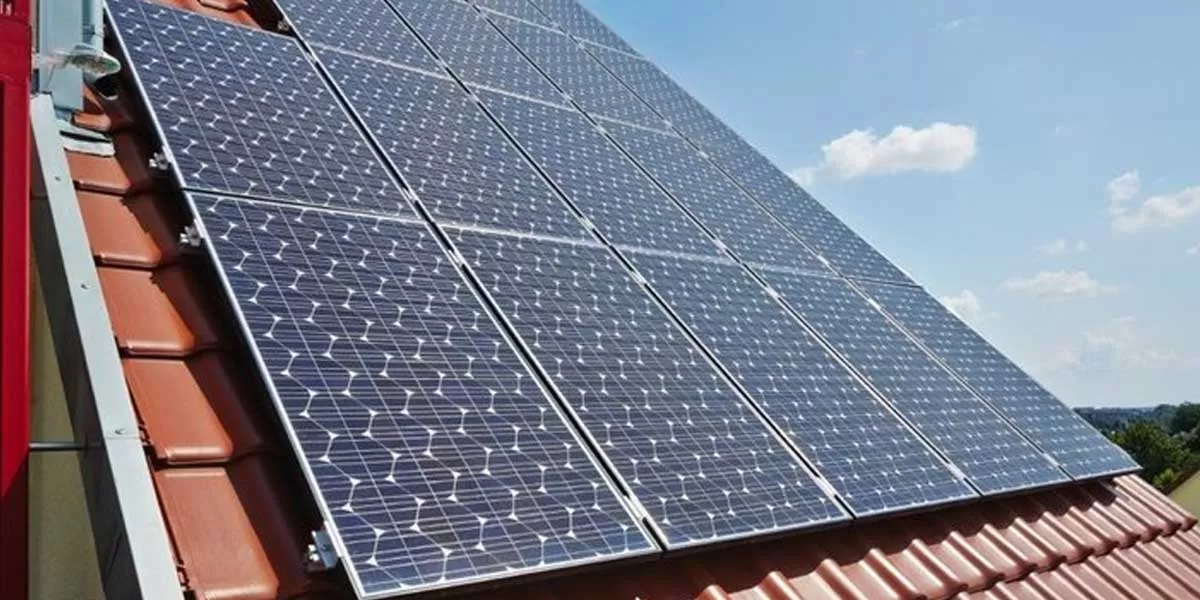
Rajasthan Electronics and Instruments (REIL) announced that bids are being sought for the supply of 200,000 Mono PERC solar cells with a power output of 5.50Wp. It was mentioned that the last date for submitting bids is May 1, 2024, and bids will be opened on the same day. The estimated bid value of the project was stated to be Rs 9.5 million (~$113,950). It was further mentioned that bidders have been exempted from an earnest money deposit and performance bank guarantees in the tender. The order, it was explained, will be split among two bidders in a ratio of 70:30.

It was specified that preference will be given to "Make in India" products for bids below Rs 2 billion, favouring Class 1 local suppliers as defined in the Public Procurement (Preference to Make in India) Order 2017. It was added that to qualify as a Class 1 local supplier, a minimum of 50% local content is required, while for Class 2, a minimum of 20% local content is necessary. Furthermore, it was noted that Micro and Small Enterprises (MSEs) will be given purchase preference under the Public Procurement Policy for Micro and Small Enterprises Order, 2012.

The announcement further stated that bidders or their original equipment manufacturers, either directly or through resellers, must have supplied the same or similar category products for at least 10% of the bid quantity to any central/state government organization, PSU, or publicly listed company in at least one of the last three financial years before the bid opening date. It was specified that relevant contracts demonstrating the supply of cumulative order quantity in any one financial year must be submitted with the bid to support the quantity supplied in the relevant financial year. Moreover, in the case of multiple bids, it was explained that the category related to the primary product with the highest bid value should meet this criterion.

The announcement mentioned that a reverse auction will be conducted among all technically qualified bidders, excluding the highest quoting bidder. Additionally, it was mentioned that in 2022, REIL had issued terms of reference for appointing a consulting firm for the Bureau of Indian Standards certification of solar photovoltaic modules.

Rajasthan Electronics and Instruments (REIL) announced that bids are being sought for the supply of 200,000 Mono PERC solar cells with a power output of 5.50Wp. It was mentioned that the last date for submitting bids is May 1, 2024, and bids will be opened on the same day. The estimated bid value of the project was stated to be Rs 9.5 million (~$113,950). It was further mentioned that bidders have been exempted from an earnest money deposit and performance bank guarantees in the tender. The order, it was explained, will be split among two bidders in a ratio of 70:30. It was specified that preference will be given to Make in India products for bids below Rs 2 billion, favouring Class 1 local suppliers as defined in the Public Procurement (Preference to Make in India) Order 2017. It was added that to qualify as a Class 1 local supplier, a minimum of 50% local content is required, while for Class 2, a minimum of 20% local content is necessary. Furthermore, it was noted that Micro and Small Enterprises (MSEs) will be given purchase preference under the Public Procurement Policy for Micro and Small Enterprises Order, 2012. The announcement further stated that bidders or their original equipment manufacturers, either directly or through resellers, must have supplied the same or similar category products for at least 10% of the bid quantity to any central/state government organization, PSU, or publicly listed company in at least one of the last three financial years before the bid opening date. It was specified that relevant contracts demonstrating the supply of cumulative order quantity in any one financial year must be submitted with the bid to support the quantity supplied in the relevant financial year. Moreover, in the case of multiple bids, it was explained that the category related to the primary product with the highest bid value should meet this criterion. The announcement mentioned that a reverse auction will be conducted among all technically qualified bidders, excluding the highest quoting bidder. Additionally, it was mentioned that in 2022, REIL had issued terms of reference for appointing a consulting firm for the Bureau of Indian Standards certification of solar photovoltaic modules.

Next Story
Infrastructure Urban

Implementation Status of Jal Jeevan Mission

Since August 2019 the Government has implemented Jal Jeevan Mission to provide assured potable water through household tap connections in rural India. At the start of the mission only 32.3 million (mn) rural households, representing 16.7 per cent, were reported to have tap water connections. States and union territories have reported that 125.8 mn additional rural households have since been provided with tap connections. As a result, of about 193.6 mn rural households roughly 158.2 mn, or 81.71 per cent, are reported to have tap water supply at home.\n\nThe State, district and village level st..

Next Story
Infrastructure Urban

Jal Jeevan Mission Reaches Eighty One Per Cent Rural Coverage

The Government reported substantial progress under the Jal Jeevan Mission, launched in August 2019 to provide tap water to every rural household. At launch only 32.3 million (mn) rural households had tap connections and states and Union territories reported provision of 125.8 mn additional households by March 2026. Consequently, out of about 193.6 mn rural households around 158.2 mn, or 81.71 per cent, are reported to have tap water at home. The Finance Minister announced extension of the mission until 2028 in the 2025-26 budget speech. The Swachh Bharat Mission Grameen, launched in October 20..

Next Story
Infrastructure Urban

Empowering Local Governance for Sustainable Rural Water Supply

The Ministry of Jal Shakti has aligned the Jal Jeevan Mission (JJM) with the 73rd Amendment to strengthen village level planning and community ownership of water supply. Gram Panchayats, village water and sanitation committees and Pani Samitis are to plan, implement, manage and maintain piped water systems, with gram sabha processes formalising handover and oversight. Implementation support agencies including non government organisations, community based organisations and self help groups have been empanelled to train local committees and promote women participation. Under JJM, the department ..

Advertisement

Subscribe to Our Newsletter

Get daily newsletters around different themes from Construction world.

STAY CONNECTED

Advertisement

Advertisement

Advertisement