

+
SECI Seeks 1 GW Of Excess Renewable Power
POWER & RENEWABLE ENERGY

SECI Seeks 1 GW Of Excess Renewable Power

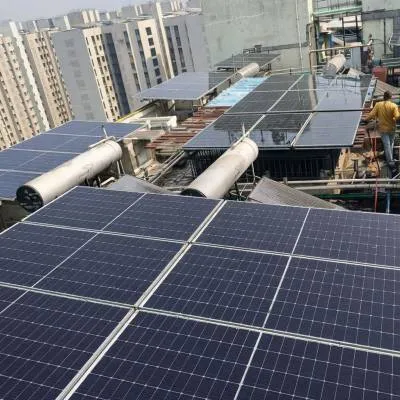
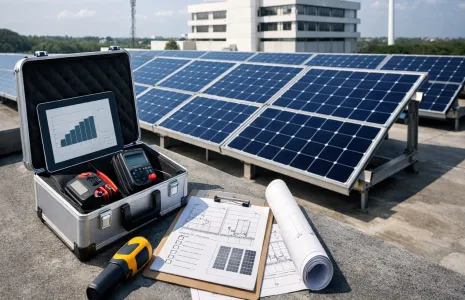
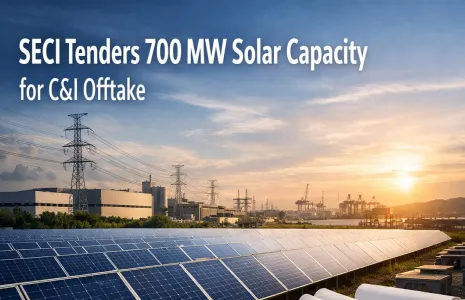
Solar Energy Corporation of India has invited proposals for the supply of 1,000 MW of excess renewable power from projects that already have valid power purchase agreements. The request for selection targets surplus renewable energy available during solar hours from developers generating power beyond their contracted commitments.

Under the proposal, selected bidders will sign a fresh power purchase agreement with SECI for a period of 12 years, in line with the terms and conditions set out in the request document. The initiative is aimed at improving utilisation of renewable generation capacity and supporting grid availability during periods of high solar output.

The Ministry of Power has already issued guidelines for tariff-based competitive bidding for the procurement of firm and dispatchable renewable power combined with energy storage systems, through a gazette notification dated June 9, 2023. In line with these guidelines, developers participating in the current selection process will be required to set up ISTS-connected renewable energy projects along with energy storage systems and the associated transmission infrastructure up to the delivery point.

Developers will remain responsible for meeting supply obligations under their existing power purchase agreements, while also supplying excess renewable power to SECI in accordance with the new agreement and selection conditions.

The scheduled commencement of supply of excess power has been fixed at 18 months from the effective date of the new power purchase agreement. Bidders are required to submit an earnest money deposit of Rs 0.0954 million per MW for each project, in the form of a bank guarantee as specified in the request document.

The last date for online bid submission is January 30, 2026, while offline submissions will close on February 3, 2026. SECI said the initiative is intended to encourage developers to make better use of installed capacity and contribute to a more flexible and resilient renewable energy supply for the national grid.

Solar Energy Corporation of India has invited proposals for the supply of 1,000 MW of excess renewable power from projects that already have valid power purchase agreements. The request for selection targets surplus renewable energy available during solar hours from developers generating power beyond their contracted commitments. Under the proposal, selected bidders will sign a fresh power purchase agreement with SECI for a period of 12 years, in line with the terms and conditions set out in the request document. The initiative is aimed at improving utilisation of renewable generation capacity and supporting grid availability during periods of high solar output. The Ministry of Power has already issued guidelines for tariff-based competitive bidding for the procurement of firm and dispatchable renewable power combined with energy storage systems, through a gazette notification dated June 9, 2023. In line with these guidelines, developers participating in the current selection process will be required to set up ISTS-connected renewable energy projects along with energy storage systems and the associated transmission infrastructure up to the delivery point. Developers will remain responsible for meeting supply obligations under their existing power purchase agreements, while also supplying excess renewable power to SECI in accordance with the new agreement and selection conditions. The scheduled commencement of supply of excess power has been fixed at 18 months from the effective date of the new power purchase agreement. Bidders are required to submit an earnest money deposit of Rs 0.0954 million per MW for each project, in the form of a bank guarantee as specified in the request document. The last date for online bid submission is January 30, 2026, while offline submissions will close on February 3, 2026. SECI said the initiative is intended to encourage developers to make better use of installed capacity and contribute to a more flexible and resilient renewable energy supply for the national grid.

Related Stories

Gold Stories

Next Story
Real Estate

Kamdhenu Realities acquires 4-acre Navi Mumbai land parcel

Kamdhenu Realities has acquired a 4-acre land parcel from RPG Life Sciences on Thane-Belapur Road for approximately Rs 1.5 billion, expanding its commercial real estate portfolio in Navi Mumbai.The parcel has a total developable potential of 1.8 million sq ft, on which Kamdhenu plans to develop a destination-scale commercial and lifestyle ecosystem. The proposed development will combine corporate office suites with high-street retail, F&B outlets, double-height lobbies, business infrastructure and lifestyle amenities.Located close to IKEA and opposite the upcoming Pawane Railway Station, t..

Next Story
Infrastructure Transport

97 Per Cent Of Rongjeng-Mangsang-Adokgre Road Nears Completion

Deputy Chief Minister in-charge of public works Prestone Tynsong said in Shillong on 26 August that 97 per cent physical progress had been achieved on the ongoing Rongjeng-Mangsang-Adokgre road being constructed under the Non-Lapsable Central Pool of Resources (NLCPR). He noted the project was sanctioned in 2017 and that the stipulated time for completion had been 24 months from issue of the final work order. The deputy chief minister informed the assembly that the government had decided to include the remaining work under a World Bank project. In reply to a query from Rongjeng MLA Jim M Sangm..

Next Story
Infrastructure Transport

First TBM Starts Digging Five Point Three Kilometre Tunnel Under SGNP

The Goregaon-Mulund Link Road (GMLR) Phase three (B) project has reached a key milestone as the first tunnel boring machine (TBM) began excavation of the first of two tunnels beneath the Sanjay Gandhi National Park (SGNP). The machine, named Tulsi, started cutting a five point three kilometre bore that will link Dadasaheb Phalke Chitranagari in Goregaon East with Amar Nagar in Mulund West. Officials issued a statement noting the commencement of tunnelling work under the protected green belt. The twin tunnels are being constructed using mechanised tunnelling methods that aim to limit surface di..

Advertisement

Subscribe to Our Newsletter

Get daily newsletters around different themes from Construction world.

STAY CONNECTED

Advertisement

SPECIAL OFFER
QR Code