+
Solar Power Reaches Remote Tribal Hamlet in Megamalai Reserve Forest
POWER & RENEWABLE ENERGY

Solar Power Reaches Remote Tribal Hamlet in Megamalai Reserve Forest

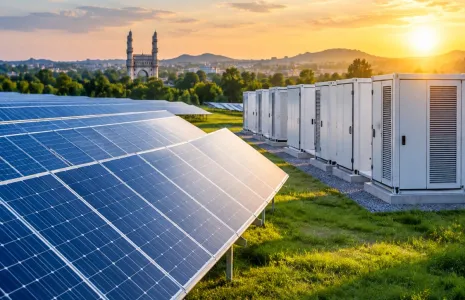
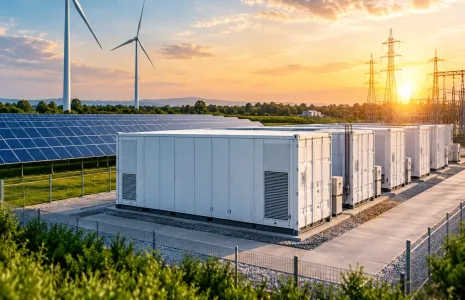
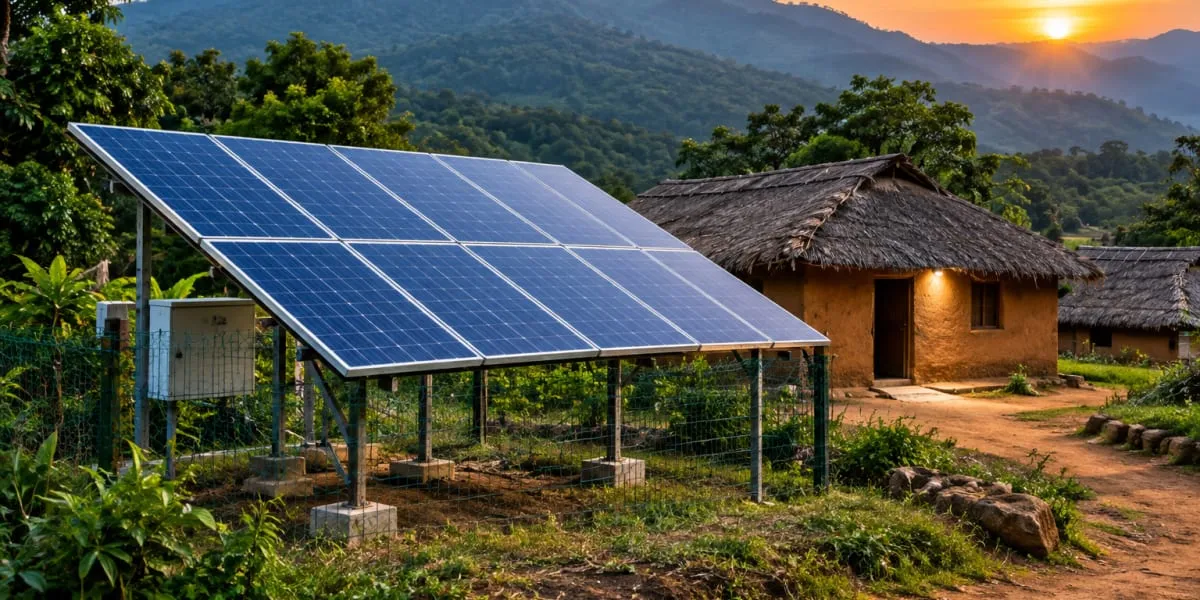
THENI: Eighteen Paliyar tribal families with patta rights in Nochiodai, a remote settlement located 32 km inside the Srivilliputhur-Megamalai Tiger Reserve (SMTR), have received solar power through a mini-grid established by the Forest Department. The project, funded by the National Bank for Agriculture and Rural Development (NABARD), was implemented at a cost of Rs. 2.5 mn.

The settlement, which has a population of 76, had depended on kerosene lamps for several decades. Residents also had to travel outside the forest to charge mobile phones and access basic communication facilities, leaving the hamlet isolated after dark.

Under the Model Solar Tribal Village Project, the entire settlement has been electrified. The facilities include 36 solar street lights, solar-powered LED lamps in homes and mobile charging points. The community hall has also been connected to the system, allowing residents to gather there and watch television.

The project was launched in August 2025 and inaugurated on September 22. NABARD district development officer J Robinson Raja said it was the first solar-power project funded by the organisation in a tiger reserve. He said the initiative had balanced community rights recognised under the Forest Rights Act, 2006, with the requirements of wildlife conservation.

The new lighting is expected to improve safety for residents, particularly women and children, while reducing risks linked to encounters between people and wildlife. It is also expected to support children’s education, communication, access to information and livelihood activities. Community leader S Murugan said the electrification had enabled residents to use mobile phones freely and gather in the community hall. Resident Veerammal said lighting had made it safer for women to move outside at night and easier for children to study, giving the community a greater sense of dignity and connection with settlements outside the forest.

THENI: Eighteen Paliyar tribal families with patta rights in Nochiodai, a remote settlement located 32 km inside the Srivilliputhur-Megamalai Tiger Reserve (SMTR), have received solar power through a mini-grid established by the Forest Department. The project, funded by the National Bank for Agriculture and Rural Development (NABARD), was implemented at a cost of Rs. 2.5 mn. The settlement, which has a population of 76, had depended on kerosene lamps for several decades. Residents also had to travel outside the forest to charge mobile phones and access basic communication facilities, leaving the hamlet isolated after dark. Under the Model Solar Tribal Village Project, the entire settlement has been electrified. The facilities include 36 solar street lights, solar-powered LED lamps in homes and mobile charging points. The community hall has also been connected to the system, allowing residents to gather there and watch television. The project was launched in August 2025 and inaugurated on September 22. NABARD district development officer J Robinson Raja said it was the first solar-power project funded by the organisation in a tiger reserve. He said the initiative had balanced community rights recognised under the Forest Rights Act, 2006, with the requirements of wildlife conservation. The new lighting is expected to improve safety for residents, particularly women and children, while reducing risks linked to encounters between people and wildlife. It is also expected to support children’s education, communication, access to information and livelihood activities. Community leader S Murugan said the electrification had enabled residents to use mobile phones freely and gather in the community hall. Resident Veerammal said lighting had made it safer for women to move outside at night and easier for children to study, giving the community a greater sense of dignity and connection with settlements outside the forest.

Related Stories

Gold Stories

Next Story
Infrastructure Transport

Mumbai-Ahmedabad Bullet Train’s Surat-Vapi Section Set for 2027

The first section of the Mumbai-Ahmedabad Bullet Train corridor, linking Surat and Vapi, is targeted to begin services in 2027. Construction is expected to be completed by December 2026, while Railway Minister Ashwini Vaishnaw has indicated that an inauguration could take place around the middle of 2027. The National High Speed Rail Corporation (NHSRCL) said the train being manufactured in India is expected to reach the tracks around April or May 2027. The train will undergo extensive testing before the section is opened for passenger services. The project began construction in 2021 and includ..

Next Story
Infrastructure Transport

Indian Railways Approves Four Projects Worth Rs. 7.36 bn Across Four States

Indian Railways has approved four projects with a combined value of Rs. 7.36 bn across Uttar Pradesh, Maharashtra, Andhra Pradesh and Gujarat. The programme covers train protection, signalling, electric traction supply and a road overbridge, with each project assigned to a different railway zone. In Uttar Pradesh, Rs. 2.52 bn has been approved to extend the Kavach 4.0 automatic train protection system across 607.7 km in the Lucknow Division of North Eastern Railway. The system monitors train movements and can apply the brakes if a driver fails to observe a signal or exceeds a safe speed. The w..

Next Story
Infrastructure Urban

Chandru Raheja Sells 1.49% Stake in Mindspace REIT for Rs. 5 bn

Billionaire Chandru Lachmandas Raheja has sold a 1.49 per cent holding in Mindspace Business Parks REIT for Rs. 5 bn through a bulk deal on the BSE. The transaction involved 9.9 mn units and was executed at an average price of Rs. 505 per unit, according to exchange data. Following the sale, units of Mindspace Business Parks REIT were trading 0.18 per cent lower at Rs. 504.05 on Tuesday. Exchange data did not identify the buyers involved in the transaction. Raheja is the chairman of real estate company K Raheja Corp. The sale involved 99,00,990 units, representing 1.49 per cent of the Mumbai-b..

Advertisement

Subscribe to Our Newsletter

Get daily newsletters around different themes from Construction world.

STAY CONNECTED

Advertisement

SPECIAL OFFER
QR Code