TARIL Powering Viksit Bharat 2047 Through Transmission Excellence
POWER & RENEWABLE ENERGY

TARIL Powering Viksit Bharat 2047 Through Transmission Excellence

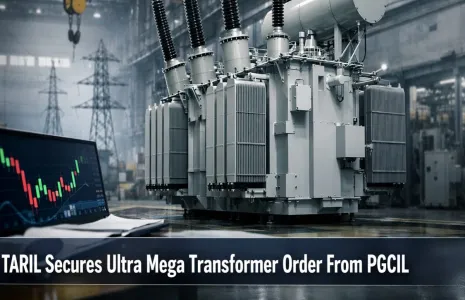
Transformers and Rectifiers (India) Limited (TARIL) is positioning itself as a key enabler of the Viksit Bharat 2047 vision through a focus on transmission excellence and grid infrastructure development. The company supports transmission network expansion by manufacturing high quality transformers and electrical equipment that underpin reliable power flows and system stability. TARIL’s activities are presented as essential to sustain economic growth, facilitate industrial expansion and bolster national energy security. The firm emphasises quality and compliance in its manufacturing processes.

The transmission sector functions as the backbone of the electricity ecosystem and meeting rising demand requires robust grid assets and advanced substation upgrades. TARIL supplies products and solutions that assist transmission operators to manage higher power transfers while reducing losses and improving operational efficiency. Investment in grid modernisation, including enhanced monitoring and protection systems, is said to be critical for maintaining service continuity as urbanisation and industrial activity intensify.

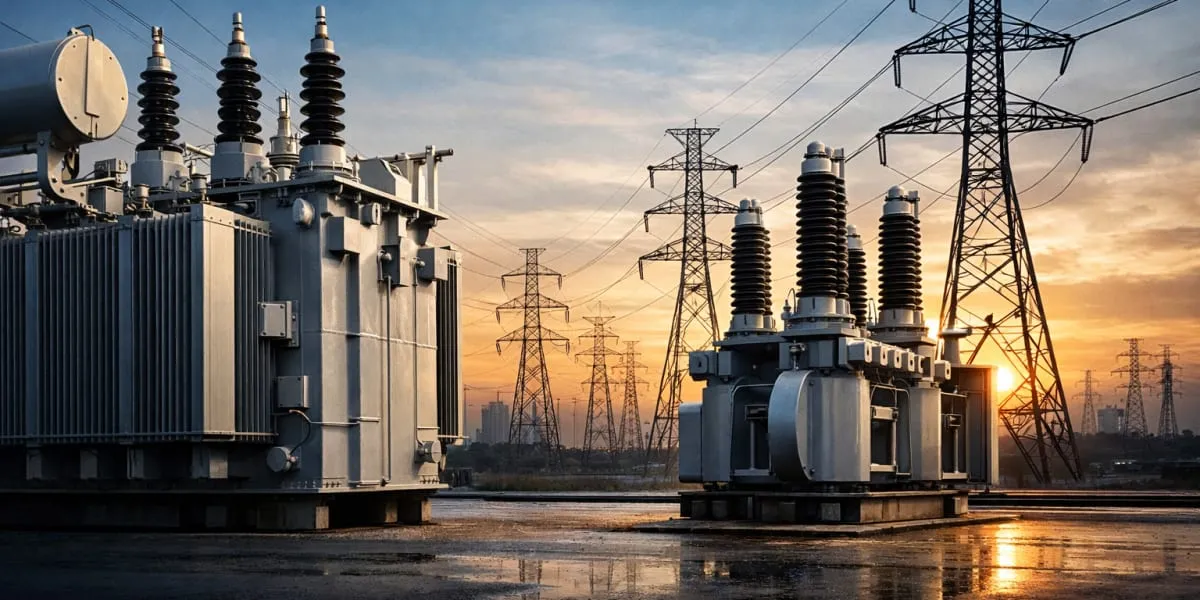
The rapid expansion of renewable energy capacity increases the demand for effective evacuation and interregional transfer capacity. TARIL’s transformer designs aid the integration of large scale solar and wind generation by addressing voltage regulation and transient stability requirements and by enabling smoother power routing across states. Continued development of advanced transformer technology and high performance switchgear is intended to support a more flexible and resilient grid. Research and development efforts aim to drive efficiency gains.

Alignment with government infrastructure programmes creates opportunities for domestic manufacturing growth, employment generation and supply chain strengthening. TARIL’s role in supporting localisation and industrial capacity building is framed as contributing to a self reliant ecosystem capable of meeting future demand. As India moves towards the Viksit Bharat 2047 target, TARIL is described as poised to play an ongoing role in enabling reliable electricity delivery and facilitating the transition to cleaner energy sources. This supports long term resilience.

Transformers and Rectifiers (India) Limited (TARIL) is positioning itself as a key enabler of the Viksit Bharat 2047 vision through a focus on transmission excellence and grid infrastructure development. The company supports transmission network expansion by manufacturing high quality transformers and electrical equipment that underpin reliable power flows and system stability. TARIL’s activities are presented as essential to sustain economic growth, facilitate industrial expansion and bolster national energy security. The firm emphasises quality and compliance in its manufacturing processes. The transmission sector functions as the backbone of the electricity ecosystem and meeting rising demand requires robust grid assets and advanced substation upgrades. TARIL supplies products and solutions that assist transmission operators to manage higher power transfers while reducing losses and improving operational efficiency. Investment in grid modernisation, including enhanced monitoring and protection systems, is said to be critical for maintaining service continuity as urbanisation and industrial activity intensify. The rapid expansion of renewable energy capacity increases the demand for effective evacuation and interregional transfer capacity. TARIL’s transformer designs aid the integration of large scale solar and wind generation by addressing voltage regulation and transient stability requirements and by enabling smoother power routing across states. Continued development of advanced transformer technology and high performance switchgear is intended to support a more flexible and resilient grid. Research and development efforts aim to drive efficiency gains. Alignment with government infrastructure programmes creates opportunities for domestic manufacturing growth, employment generation and supply chain strengthening. TARIL’s role in supporting localisation and industrial capacity building is framed as contributing to a self reliant ecosystem capable of meeting future demand. As India moves towards the Viksit Bharat 2047 target, TARIL is described as poised to play an ongoing role in enabling reliable electricity delivery and facilitating the transition to cleaner energy sources. This supports long term resilience.

Related Stories

Gold Stories

Next Story
Infrastructure Urban

KONE Opens India's First Digital Experience Centre in Pune

KONE, a global elevator and escalator manufacturer, has inaugurated its first Digital Experience Centre (DEC) in India, located in Pune. The facility aims to showcase how artificial intelligence (AI), connectivity and data-driven technologies can enhance customer experiences and improve building operations.The centre was inaugurated by Jussi Herlin, Executive Vice Chair, KONE Corporation; Philippe Delorme, President and CEO, KONE; and Nandan Nilekani, Co-founder and Chairman of the Board, Infosys.Designed as an interactive customer environment, the facility demonstrates digital solutions cover..

Next Story
Infrastructure Urban

CII GreenCo Launches Circularity Guidelines for Indian Industry

The Confederation of Indian Industry (CII) GreenCo Council has launched the CII GreenCo Circularity Guidelines – Pilot Version at the 17th CII GreenCo Waste & Resource Management Summit 2026 in Chennai. The initiative aims to strengthen resource efficiency, waste reduction and circular economy practices across Indian manufacturing and process industries.The guidelines introduce a structured framework with circularity indices covering raw materials, consumables, packaging and other resource inputs. These indicators will help industries assess existing practices, identify opportunities to ..

Next Story
Infrastructure Energy

Global Electronics Association Launches IPC-1783-CO2E Standard

The Global Electronics Association has introduced IPC-1783-CO2E, a new international standard aimed at improving consistency, transparency and comparability in product carbon footprint reporting across the electronics manufacturing industry.The standard, titled International Standard for Data Collection and Reporting of CO2 Equivalent (CO2e) Emissions for the Electronics Manufacturing Supply Chain, provides industry-specific guidance for collecting, estimating and reporting carbon emissions data.With increasing regulatory requirements and customer expectations, electronics manufacturers face c..

Advertisement

Subscribe to Our Newsletter

Get daily newsletters around different themes from Construction world.

STAY CONNECTED

Advertisement

SPECIAL OFFER
QR Code