TDB Plans Solar Power Plant Installation at Sabarimala
POWER & RENEWABLE ENERGY

TDB Plans Solar Power Plant Installation at Sabarimala

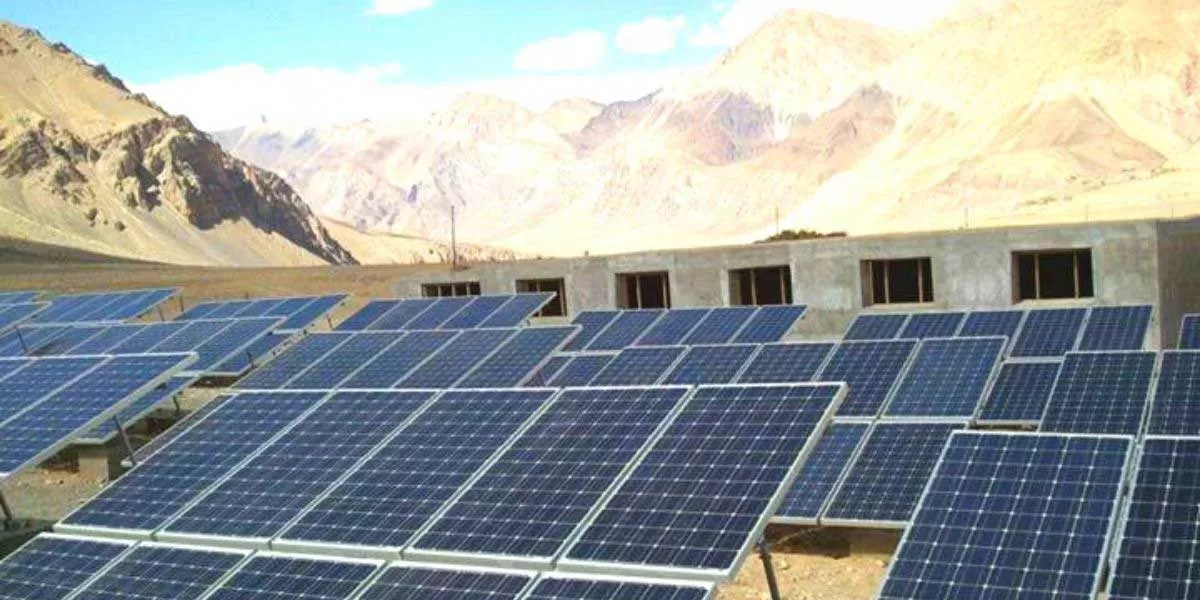
The Travancore Devaswom Board (TDB) is planning to establish a solar energy plant with technical assistance from Cochin International Airport (CIAL), recognised as the world’s first fully solar-powered airport. TDB officials stated that a meeting was held with S Suhas, Managing Director, CIAL, at Sannidhanam to discuss the initiative.

TDB President P S Prasanth mentioned that the discussion was preliminary in nature. He further informed that CIAL is preparing the detailed project report (DPR) and providing technical guidance for the project. Prasanth also revealed that the TDB intends to fund the solar plant using corporate social responsibility (CSR) contributions.

Electricity distribution and transmission in the Sabarimala pilgrimage area is currently managed by the Kerala State Electricity Board (KSEB), a state-owned entity. According to TDB officials, the board spends approximately ?15 crore annually on electricity, and the proposed solar plant is expected to substantially reduce these costs.

Suhas explained that CIAL has already initiated activities to set up the solar power plant at Sabarimala as part of its social responsibility, without charging any consultancy fee. He indicated that the consultancy process would be completed within two months.

CIAL began its solar energy initiative in 2013 with a 100kWp pilot project and expanded its capacity in phases. By 2015, it became the world’s first airport fully powered by solar energy, achieving an installed capacity of 13.1MWp. Currently, CIAL's total installed solar capacity stands at 50MWp.

The Travancore Devaswom Board (TDB) is planning to establish a solar energy plant with technical assistance from Cochin International Airport (CIAL), recognised as the world’s first fully solar-powered airport. TDB officials stated that a meeting was held with S Suhas, Managing Director, CIAL, at Sannidhanam to discuss the initiative. TDB President P S Prasanth mentioned that the discussion was preliminary in nature. He further informed that CIAL is preparing the detailed project report (DPR) and providing technical guidance for the project. Prasanth also revealed that the TDB intends to fund the solar plant using corporate social responsibility (CSR) contributions. Electricity distribution and transmission in the Sabarimala pilgrimage area is currently managed by the Kerala State Electricity Board (KSEB), a state-owned entity. According to TDB officials, the board spends approximately ?15 crore annually on electricity, and the proposed solar plant is expected to substantially reduce these costs. Suhas explained that CIAL has already initiated activities to set up the solar power plant at Sabarimala as part of its social responsibility, without charging any consultancy fee. He indicated that the consultancy process would be completed within two months. CIAL began its solar energy initiative in 2013 with a 100kWp pilot project and expanded its capacity in phases. By 2015, it became the world’s first airport fully powered by solar energy, achieving an installed capacity of 13.1MWp. Currently, CIAL's total installed solar capacity stands at 50MWp.

Next Story
Infrastructure Transport

India Becomes First to Produce Bio-Bitumen for Roads

India has become the first country in the world to commercially produce bio-bitumen for use in road construction, according to Road, Transport and Highways Minister Nitin Gadkari. Bitumen, a black and viscous hydrocarbon derived from crude oil, is a key binding material in road building, and the bio-based alternative is expected to significantly improve the sector’s environmental footprint.Addressing the CSIR Technology Transfer Ceremony in New Delhi, Mr Gadkari congratulated Council of Scientific and Industrial Research on achieving the milestone, noting that the initiative would help curb ..

Next Story
Infrastructure Urban

HILT Policy Seen Boosting Telangana Revenue Sharply

The Hyderabad Industrial Land Transformation (HILT) Policy is expected to generate around Rs 1.08 billion in revenue for the Telangana state exchequer, according to Deputy Chief Minister Bhatti Vikramarka Mallu. Speaking in the Telangana Legislative Assembly, he said the policy would be implemented within a six-month timeframe in a transparent manner, with uniform rules applicable to all stakeholders. Mr Vikramarka noted that without the HILT Policy, the state would have earned only about Rs 1.2 million per acre. Under the new framework, however, revenue is projected to rise sharply to Rs 70 ..

Next Story
Infrastructure Urban

India Post, MoRD Tie Up to Boost Rural Inclusion

The Department of Posts and the Ministry of Rural Development have signed a Memorandum of Understanding to accelerate rural transformation and expand financial, digital and logistics services for Self-Help Groups (SHGs) and rural households across India. The agreement was signed in the presence of Union Minister of Communications and Development of North Eastern Region Jyotiraditya M. Scindia and Union Minister of Rural Development and Agriculture and Farmers’ Welfare Shivraj Singh Chouhan. The collaboration aligns with the government’s “Dak Sewa, Jan Sewa” vision and seeks to repositi..

Advertisement

Subscribe to Our Newsletter

Get daily newsletters around different themes from Construction world.

STAY CONNECTED

Advertisement

Advertisement

Advertisement

Advertisement

Open In App