+
Uttar Pradesh Targets Energy Self-Reliance Across 75 Districts
POWER & RENEWABLE ENERGY

Uttar Pradesh Targets Energy Self-Reliance Across 75 Districts

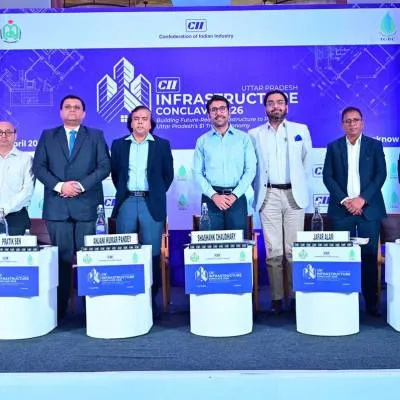
Uttar Pradesh is moving towards energy self-reliance, with adequate electricity supply across all 75 districts and an expanded focus on renewable energy, Deputy Chief Minister Brajesh Pathak said in Lucknow. He was addressing Uttar Pradesh Urja Sangam 2026, organised by ASSOCHAM-India Uttar Pradesh State Development Council in association with UPNEDA and Invest UP.

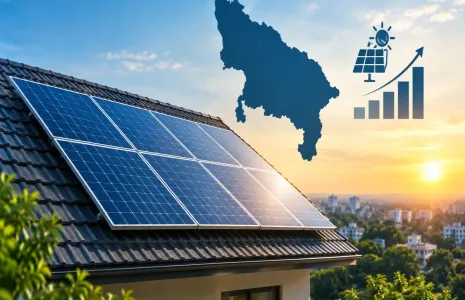
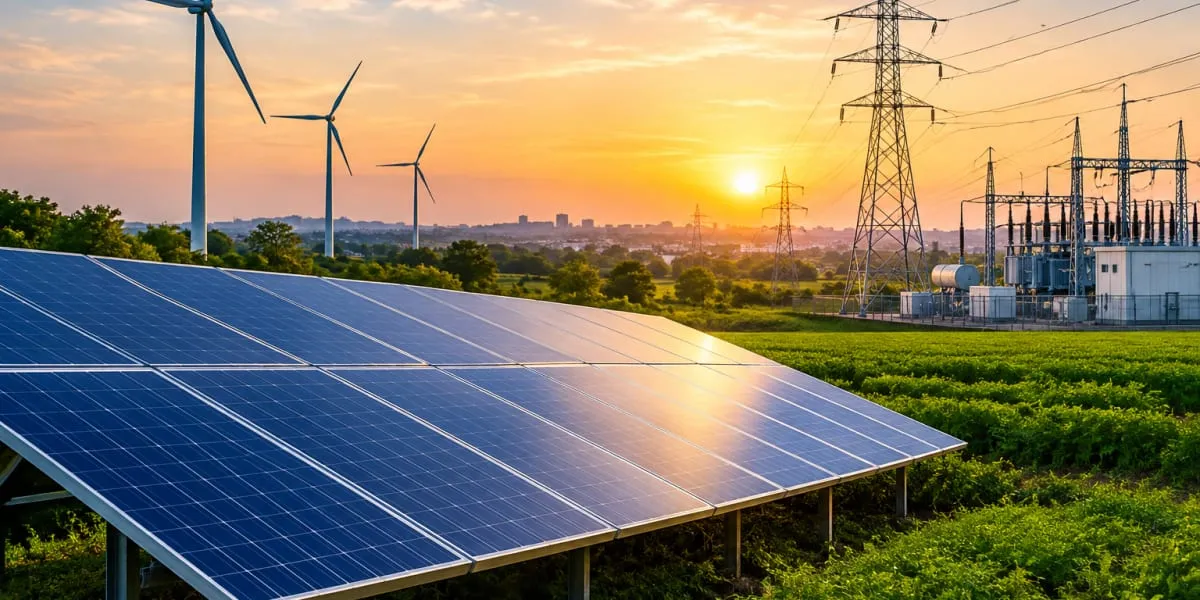
Pathak highlighted the state’s progress in solar adoption and the implementation of related schemes. He said the PM-KUSUM scheme was enabling farmers to use solar power for irrigation, reducing their dependence on conventional electricity. The PM Surya Ghar scheme was helping households install rooftop solar panels through subsidies, supporting energy conservation, lower electricity expenses and environmental sustainability.

Solar power is providing farmers with lower irrigation costs and an additional income opportunity. The state government provides free electricity for irrigation, while farmers can install solar systems on tubewells, rooftops and unused land. Surplus electricity can then be supplied to the grid, allowing farmers to meet their own energy requirements and earn additional income.

Awanish Kumar Awasthi, Adviser to the Chief Minister, said Uttar Pradesh had introduced its solar energy policy in September 2022 to expand clean-energy generation and encourage investment. He said the state ranked first nationally in solar panel installations and fifth in solar energy capacity. Uttar Pradesh also has approximately 45 to 50 operational compressed biogas (CBG) plants, reflecting the growth of its clean-energy ecosystem.

The programme included sessions on electrolyser manufacturing, green hydrogen technologies, solar energy manufacturing, floating solar projects and project execution. Participants also discussed the PM Surya Ghar and PM-KUSUM schemes, measures to improve ease of doing business and faster approval processes for clean-energy projects. Officials and industry representatives said investment in clean energy, modern power infrastructure and greater farmer participation were supporting industrial growth, employment and sustainable development in the state.

Uttar Pradesh is moving towards energy self-reliance, with adequate electricity supply across all 75 districts and an expanded focus on renewable energy, Deputy Chief Minister Brajesh Pathak said in Lucknow. He was addressing Uttar Pradesh Urja Sangam 2026, organised by ASSOCHAM-India Uttar Pradesh State Development Council in association with UPNEDA and Invest UP. Pathak highlighted the state’s progress in solar adoption and the implementation of related schemes. He said the PM-KUSUM scheme was enabling farmers to use solar power for irrigation, reducing their dependence on conventional electricity. The PM Surya Ghar scheme was helping households install rooftop solar panels through subsidies, supporting energy conservation, lower electricity expenses and environmental sustainability. Solar power is providing farmers with lower irrigation costs and an additional income opportunity. The state government provides free electricity for irrigation, while farmers can install solar systems on tubewells, rooftops and unused land. Surplus electricity can then be supplied to the grid, allowing farmers to meet their own energy requirements and earn additional income. Awanish Kumar Awasthi, Adviser to the Chief Minister, said Uttar Pradesh had introduced its solar energy policy in September 2022 to expand clean-energy generation and encourage investment. He said the state ranked first nationally in solar panel installations and fifth in solar energy capacity. Uttar Pradesh also has approximately 45 to 50 operational compressed biogas (CBG) plants, reflecting the growth of its clean-energy ecosystem. The programme included sessions on electrolyser manufacturing, green hydrogen technologies, solar energy manufacturing, floating solar projects and project execution. Participants also discussed the PM Surya Ghar and PM-KUSUM schemes, measures to improve ease of doing business and faster approval processes for clean-energy projects. Officials and industry representatives said investment in clean energy, modern power infrastructure and greater farmer participation were supporting industrial growth, employment and sustainable development in the state.

Related Stories

Gold Stories

Next Story
Infrastructure Transport

Embraer to Acquire 51 Per Cent Stake in Mahindra Aerospace Arm

Brazilian aerospace major Embraer will acquire a 51 per cent equity stake in Novavayu Aerospace, a step-down subsidiary of Mahindra and Mahindra, under an Investment Agreement notified by the automobile company in an exchange filing. The transaction will give Embraer control of the aerospace business. Following completion of the acquisition, Novavayu Aerospace will cease to be a wholly owned subsidiary and become an associate of Mahindra Defence Systems, which is a step-down wholly owned subsidiary of Mahindra and Mahindra. The agreement is expected to be completed on or before December 1. Mah..
Next Story
Infrastructure Urban

RBI Opens Special Dollar Window for Three State-Run OMCs

The Reserve Bank of India (RBI) has opened a special facility to meet the entire daily US dollar requirements of three public sector oil marketing companies (OMCs), in a move aimed at easing pressure on the Indian rupee. The facility will take effect on October 12, 2026, and remain available until further notice. Indian Oil Corporation, Hindustan Petroleum Corporation and Bharat Petroleum Corporation are eligible to use the arrangement. Under the facility, the RBI will sell US dollars to the three companies through designated banks, allowing them to meet their oil-import payments without sourc..
Next Story
Building Material

Cement Prices Likely to Rise Rs. 10-15 per Bag from Mid-October

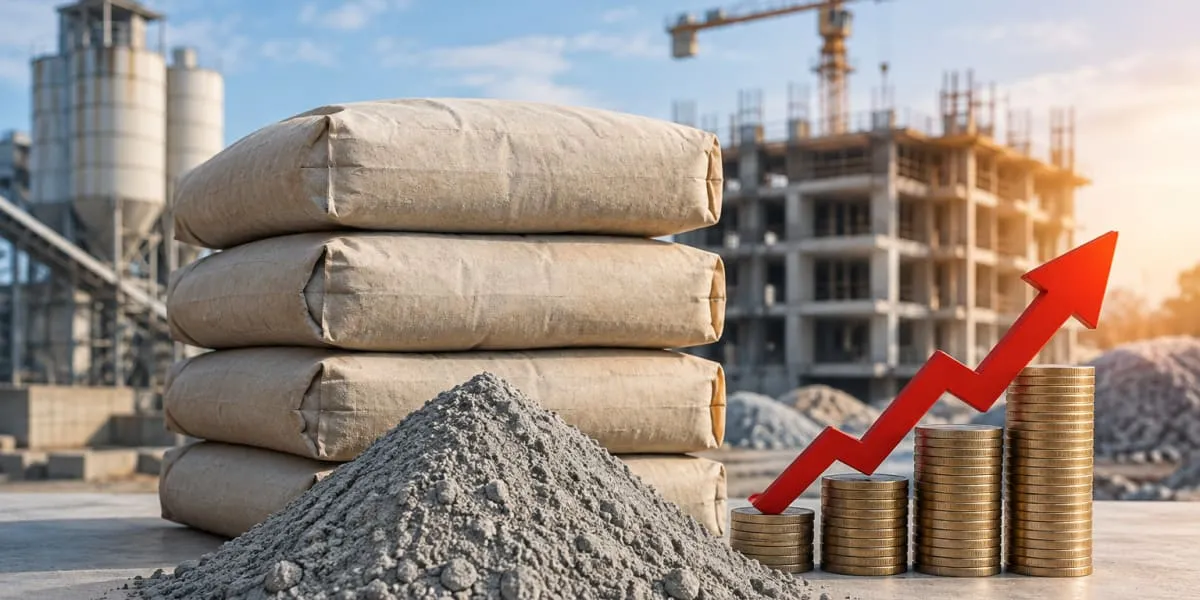
Cement manufacturers in India are likely to raise prices by Rs. 10-15 per bag from mid-October, as they seek to offset persistent increases in power and fuel costs. Emkay Research said its channel checks indicated a high probability of an increase from October 12, supported by the start of the busy construction season and favourable demand-supply conditions. The sector had implemented similar rate adjustments of Rs. 10-15 per bag during the first quarter, but the increases were insufficient to cover higher operating costs. Prices also softened during July and August because of the monsoon, wid..

Advertisement

Subscribe to Our Newsletter

Get daily newsletters around different themes from Construction world.

STAY CONNECTED

Advertisement

SPECIAL OFFER
QR Code