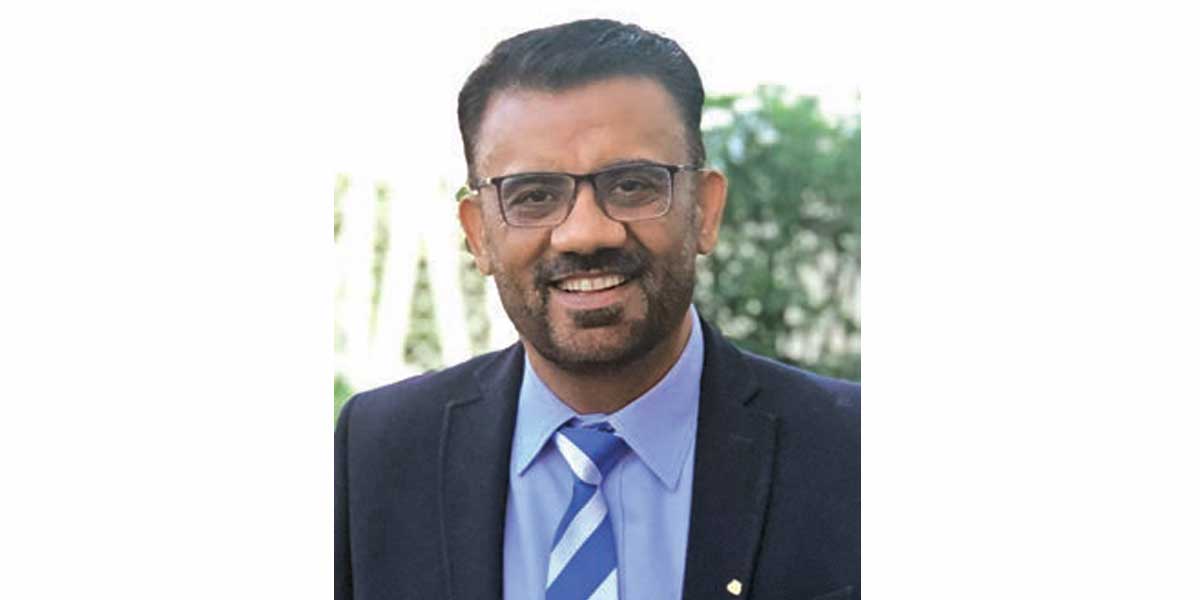
Growth Parallel to Survival
Real Estate

Growth Parallel to Survival

The growth of an organisation builds its value and helps in the long term survival of its business, reaffirms SANJAY BHALLA.Growth in the top-line is important, else chances of being acquired by another company or being eliminated from the market increases. Following t...

The growth of an organisation builds its value and helps in the long term survival of its business, reaffirms SANJAY BHALLA.Growth in the top-line is important, else chances of being acquired by another company or being eliminated from the market increases. Following this, Mapei started its operations in India in the year 2011 and is currently growing with a CAGR of more than 60 per cent. Mapei SPA established  its India subsidiary Mapei Construction Products India quite late but had a clear vision of the target market, and this, helped the company  grow. The company started off by venturing into the ceramics sector, underground, additives  and eventually associated itself with builders and major projects such as the Mumbai Airport and the Statue of Unity, Defence projects, which kicked off Mapei’s growth. With optimum utilisation of resources for a new organisation, Mapei India worked on different verticals within a thin and flat organisation with a proper focused approach.Capitalising on strengths Mapei India’s state-of-the-art plant, which is situated in Bengaluru and Vadodara focuses on the company's core strength of investing in research and development.Mapei SPA spends 5 per cent of its turnover in developing specialised product segments suitable for its target market. The special focus on R&D has helped us serve our customers in a better and timely manner as well as increase our top-line and bottom-line. Increase in market share, introducing different business segments and innovations have also been key factors that determined our growth.Seeking opportunities To expand our reach and grow in regions across India, Mapei set up a second plant at Vadodara. The idea behind this was that the fastest, simplest, and often most effective way to grow is to put money where growth is already happening or is about to happen for existing products, services, or business models. And, Vadodara proved to be the best location for the plant since it could cater to the North, West and Central India. This was more economical in terms of raw materials and finished products.  Sustainable growthWe firmly believe that, in order to grow, not only do we need to achieve economic success, but we also need to be socially responsible to all the communities that we are a part of. Hence, we are committed to conserving environmental resources for the future of the next generations.The structure of our corporate programme is based on three main principles of sustainability: Social, environmental and economical, the aim being that these three dimensions reach a state of dynamic balance.Each company within the group is committed to operate in line with this strategy, adopting the most appropriate solutions for the local territory and for the environment and community in which it operates. Its concrete commitment to sustainability allows the group to manage its business activities in a way that social, environmental and economic values are dependent on each other and in turn simulate an ideal condition to grow in.About the author: Sanjay Bhalla, CEO, Mapei India, has 26 years of experience in the construction chemical business and has proven to be a motivational leader, good strategist and effective implementer.

Next Story
Infrastructure Urban

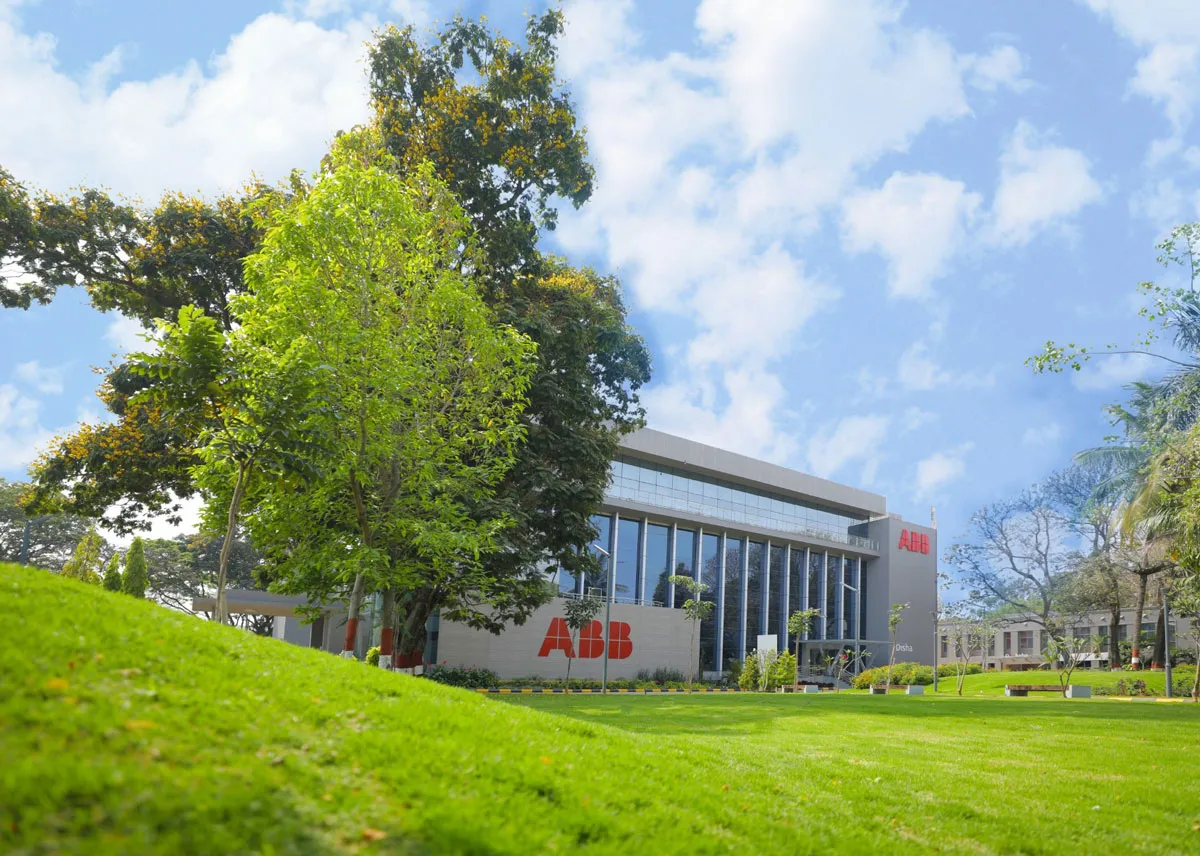
ABB to Invest Rs 6.25 Billion to Expand India Manufacturing

ABB recently announced plans to invest approximately Rs 6.25 billion ($75 million) in India during 2026 to expand its manufacturing footprint and research and development capabilities. The investment follows more than $35 million spent in 2025 and reflects the company’s continued focus on strengthening its ‘local-for-local’ strategy in the country.The investment will support ABB’s Electrification, Motion and Automation businesses and expand manufacturing capacity for infrastructure sectors such as renewable energy, metro rail, data centres and industrial applications. Approximately 300..
Next Story
Equipment

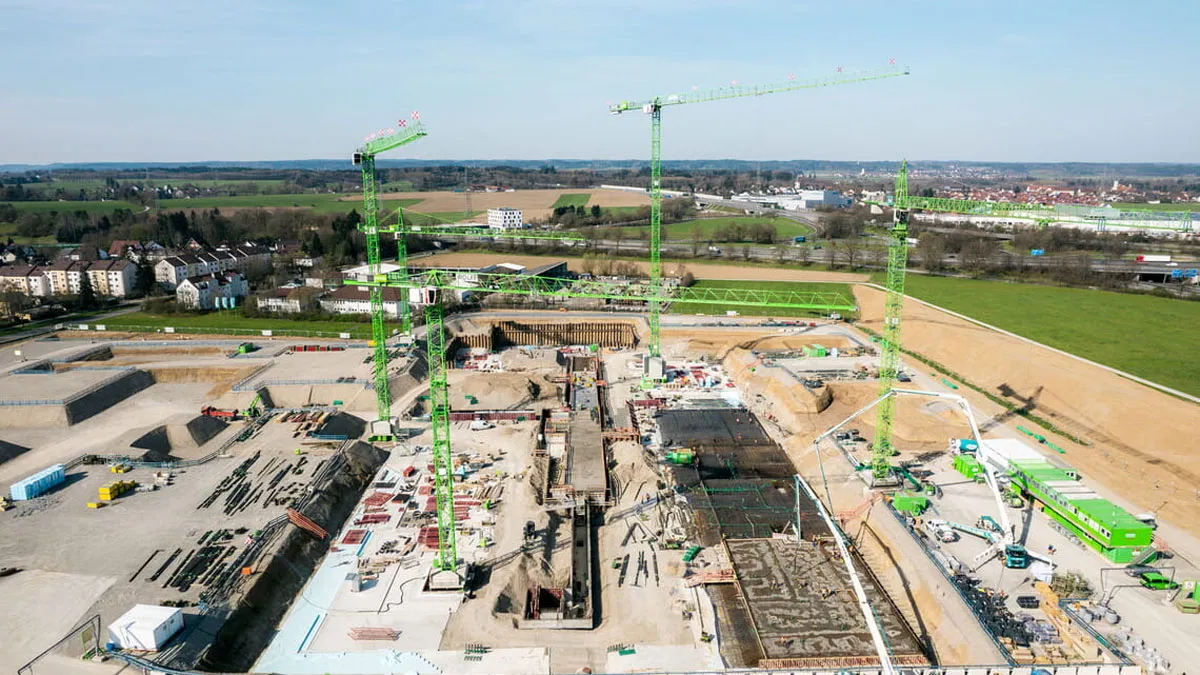
Six WOLFF Cranes Handle 60,000 m³ Concrete for German Hospital

Six WOLFF tower cranes are playing a key role in constructing a new hospital complex in Memmingen, Germany, supporting large-scale material handling for the project. The facility is being built on a 7.7-hectare site and will feature six floors, around 480 beds and a gross floor area exceeding 75,000 sq m.Building shell works began recently in February 2025. One WOLFF 6531.12 Cross crane supported early site preparation before being dismantled in autumn 2025, while five remaining cranes continue operations. Over an average deployment period of 16 months, the cranes are expected to move approxim..
Next Story
Equipment

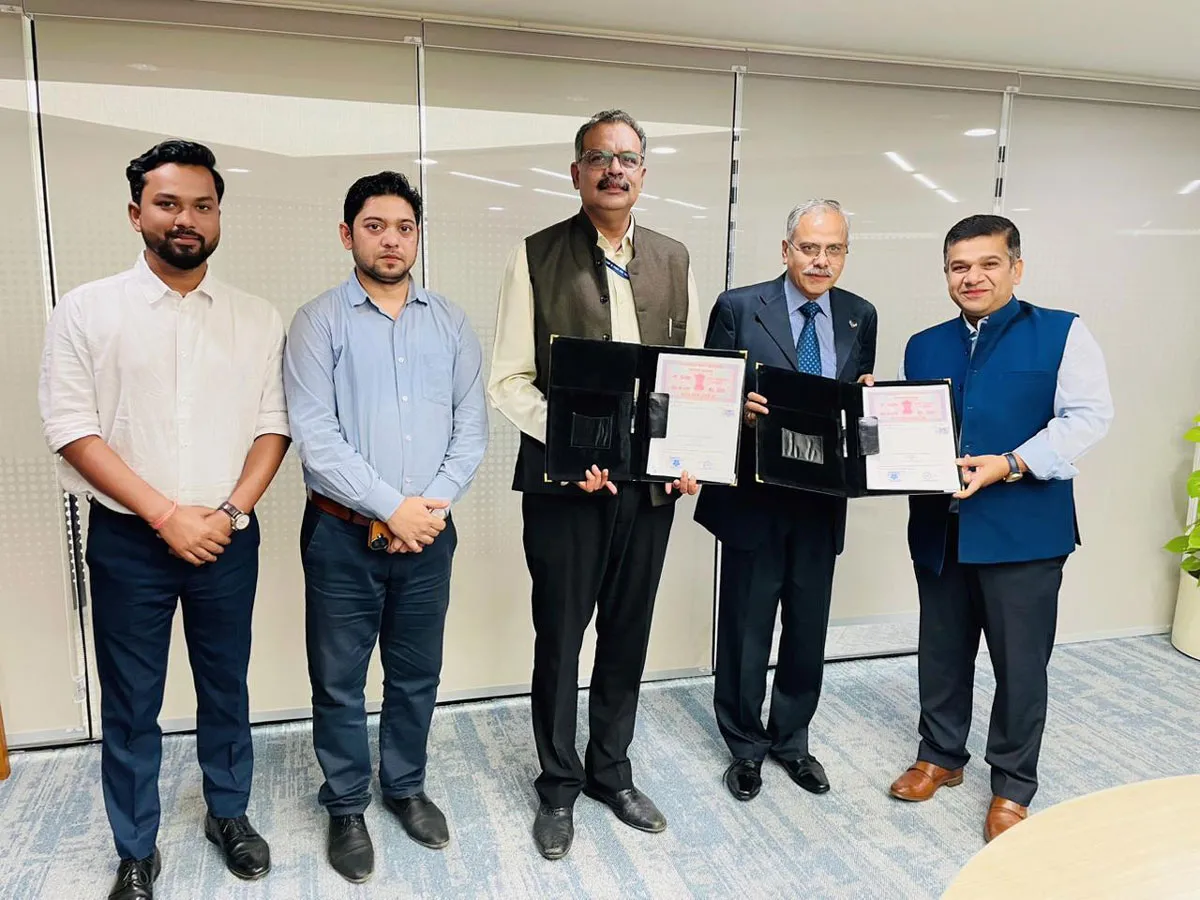
REC Funds Rs 115.6 Million CSR Support for Bihar Eye Hospital

REC recently committed Rs 115.6 million under its Corporate Social Responsibility (CSR) programme for the procurement of clinical and non-clinical equipment at Sankara Eye Hospital in Saharsa, Bihar. The initiative aims to strengthen healthcare infrastructure and improve access to specialised eye care services in the region.A Memorandum of Agreement (MoA) was recently signed between Pradeep Fellows, Executive Director (CSR), REC Limited, and Wg Cdr V. Shankar (Retd), Trustee and Executive Director of Sankara Eye Hospital, at the REC office in the SCOPE Complex, New Delhi.The support is expecte..

Advertisement

Subscribe to Our Newsletter

Get daily newsletters around different themes from Construction world.

STAY CONNECTED

Advertisement

Advertisement

Advertisement