At what rate will the steel industry grow?
Read full article
CW Gold Benefits
- Weekly Industry Updates
- Industry Feature Stories
- Premium Newsletter Access
- Building Material Prices (weekly) + trends/analysis
- Best Stories from our sister publications - Indian Cement Review, Equipment India, Infrastructure Today
- Sector focused Research Reports
- Sector Wise Updates (infrastructure, cement, equipment & construction) + trend analysis
- Exclusive text & video interviews
- Digital Delivery
- Financial Data for publically listed companies + Analysis
- Preconceptual Projects in the pipeline PAN India
Related Stories



Gold Stories



Experion Says AT Capital’s India Investment Hits $500 mn
Experion Developers, the Indian real estate platform of Singapore-headquartered AT Capital Group, said AT Capital’s cumulative investment in Indian real estate has reached approximately $500 million since it began operations in 2006.Experion has undertaken 12 projects across Gurugram, Noida, Lucknow and Amritsar, covering around 11 million sq. ft. of built-up area. Its portfolio includes plotted developments, villas, high-rise condominiums, commercial offices and organised retail. Over the past five years, it has delivered more than 3,000 homes and plots.In FY2025-26, the company recorded sa..
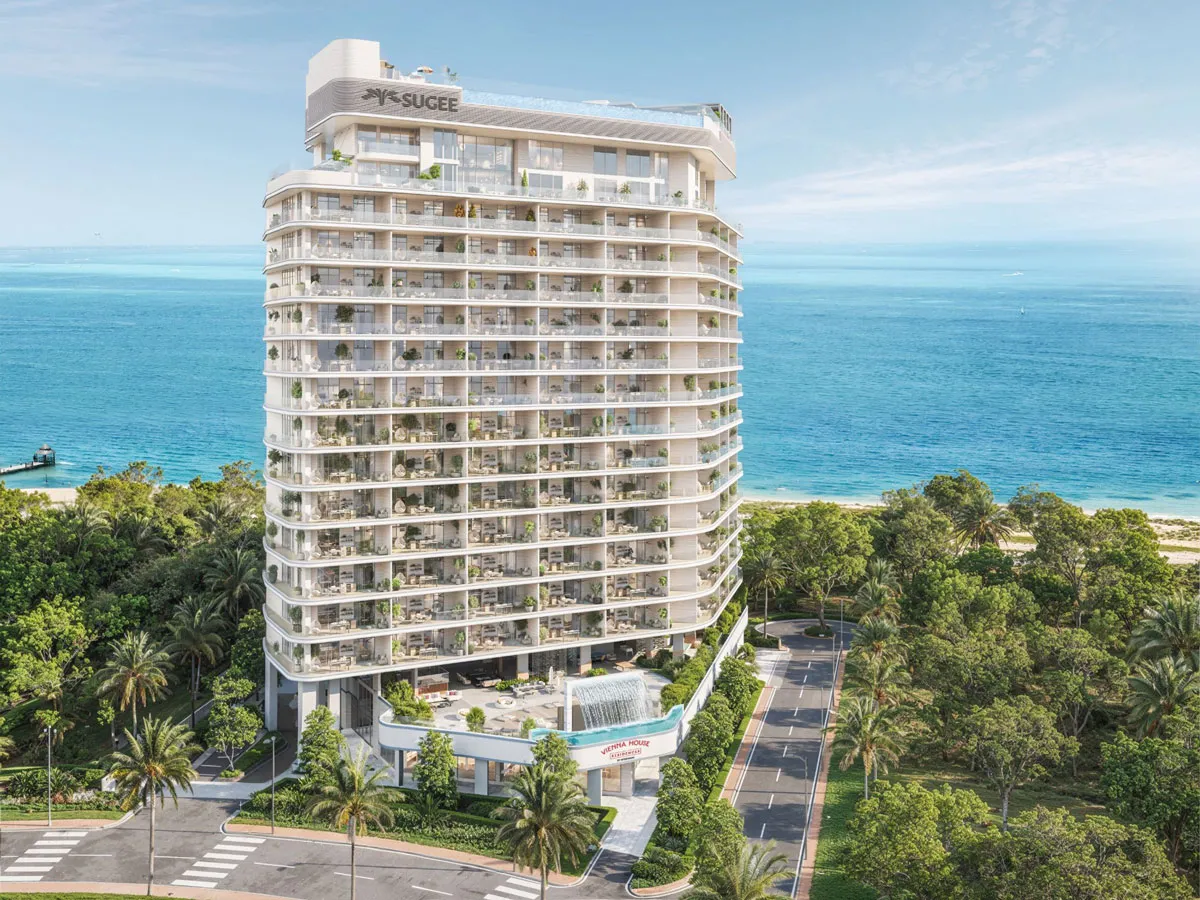
Sugee, Wyndham to Launch Vienna House Residences in UAE
Sugee Group and Wyndham Hotels & Resorts have partnered to develop the first Vienna House Residences by Wyndham on Al Marjan Island, Ras Al Khaimah. The project marks the Vienna House brand’s debut in the Middle East and its entry into branded residences.The agreement was signed at a ceremony in Dubai attended by senior representatives of both organisations, including Govind Mundra, Head of Development for the Middle East and Africa at Wyndham. Vienna House by Wyndham is a European lifestyle brand known for contemporary design, service and a social approach to hospitality.The residences ..
Sparkle Clean Tech Expands UAE Presence with Al Masaood
Sparkle Clean Tech (SCT), a water and wastewater treatment company, has strengthened its presence in the UAE through a partnership with Al Masaood’s Projects & Engineering Services Division (PESD), a business conglomerate based in Abu Dhabi. The partnership is intended to expand SCT’s local market capabilities and help it pursue opportunities across the region.SCT has also completed registration and qualification with Abu Dhabi National Oil Company (ADNOC) for demineralisation (DM) plants. The company has more than two decades of experience and has completed over 1,000 projects across ..
Related Articles
Latest Updates