Komatsu India committed to a future of sustainable growth
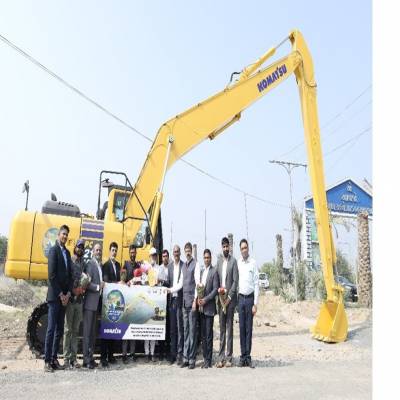
In a significant breakthrough during FY2022-23, Komatsu India, a fully owned subsidiary of Komatsu, Japan, rolled out bio-diesel compatible off-highway trucks from its state-of-the-art manufacturing facility located at Oragadam near Chennai. This milestone culminated in Komatsu’s 100th Year celebrations worldwide. It also heralded the start of a new era in the Indian mining equipment industry, which can lead to a substantial reduction in carbon footprint and reaffirm Komatsu’s long-term commitment to society with minimum adverse environmental impact.
As the world’s leading manufacturer of construction and mining equipment, Komatsu has developed diesel-powered machines that are compatible with B20 fuel including excavators, bulldozers, wheel loaders, motor graders, dump trucks, etc.
With a view to achieving sustainability and reducing environmental impact, Komatsu is researching and exploring alternative fuels to reach the goal. Towards a step in this direction, Komatsu India has been participating in industry events and conferences and working closely with stakeholders, suppliers, customers, and government agencies to promote the use of alternate fuels in the industry.
Komatsu India works closely with leading oil companies to ensure that biofuels are available, accessible, and affordable for end-users, creating a sustainable grid of energy. Further, Komatsu Oil Wear Analysis (KOWA) supports Komatsu’s concerted efforts to check the quality of biofuel and recommend it to users.
Komatsu is targeting to be carbon-neutral by 2050 as part of its long-term environmental goals. The company has set a target to reduce its greenhouse gas emissions (GHGs) by 30% by 2030 and by 80 per cent by 2050, compared to 2010 levels. Komatsu’s goal is to significantly reduce its environmental impact and become a leader in sustainable business practices.

The government-empowered GST Council’s vital decision to reduce tax rates on ethyl alcohol from 18 to 5 per cent is a major incentive to step up the movement for biofuel. This will also serve as a catalyst with more OEMs deciding to manufacture and supply mining fleet with bio-diesel compatibility to the Indian industry. The government’s thrust on accelerating the use of alternate fuel will complement this new initiative of Komatsu.
Komatsu understands the growing need of customers to become carbon neutral as part of their sustainability efforts. It offers multiple solutions to help customers reduce their carbon footprint, such as:
Additionally, the fleet management systems and data analytics tools used in Smart Construction help improve a project's overall sustainability by providing real-time information on fuel consumption and emissions, as well as machine performance and maintenance.
Komatsu also focuses on sustainable design principles to reduce the environmental impact throughout the product lifecycle, such as using eco-friendly materials and designing for recyclability.
Several strategies have been implemented by Komatsu to reduce CO2 emissions in its products. Some instances include:
By strengthening these initiatives, Komatsu hopes to contribute substantially to CO2 reduction in society, and thereby achieve DANTOTSU value (a positive cycle of improving earnings and solving ESG issues through the creation of customer value).
Komatsu India is gearing up in a big way and will showcase a fleet of energy-efficient machines at the bauma CONEXPO India 2023 opening in Greater Noida from January 31, 2023. Komatsu has been closely working with its Indian partner, Larsen & Toubro, to develop some of these value-added products that save on energy and deliver higher productivity.
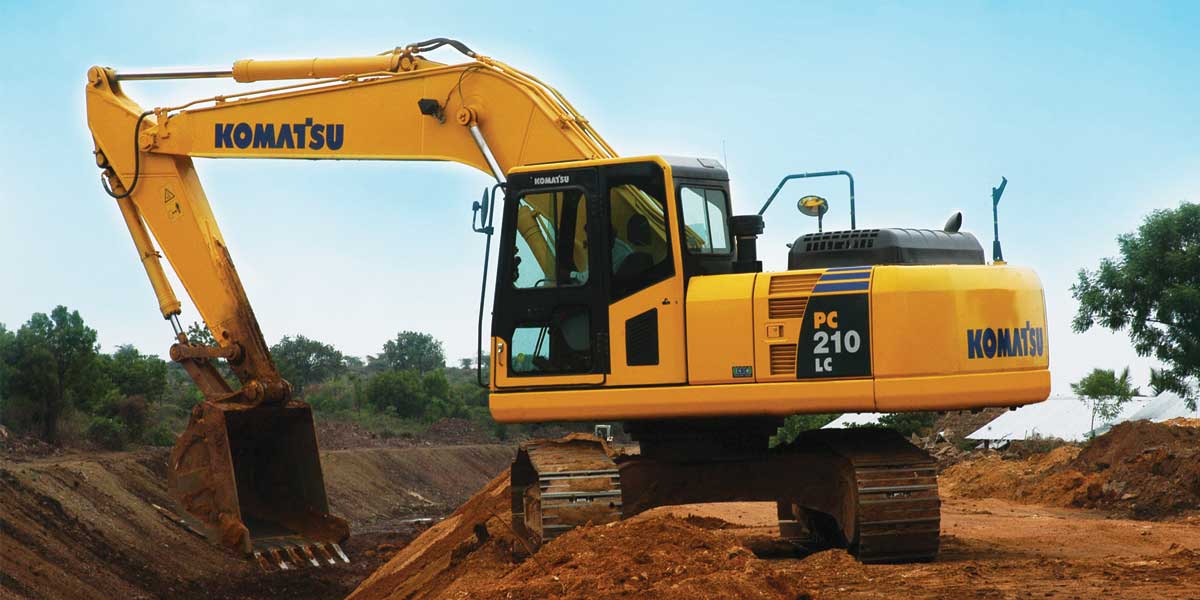
On display will be a new breed of hydraulic excavators – HB365LC-1 hybrid machine, PC300LC-8 with parallel link cab, PC210LC-10M0 super long front (SLF), PC205-10M0 a new variant under 20-ton class of excavator, PC210LC-10M0 with optional attachments of rock breaker, quick coupler, car shear scrap handler, PC500LC-10R for mid-range mining as well as the new-generation GD535-6 motor grader. All these machines are compatible with bio-diesel and would effect a behavioural change in customer deployment.
To take a tour of the advanced technology and smart machines, visit Komatsu at bauma CONEXPO India - Outdoor stall - H30 and experience its new efforts towards creating a sustainable future.
Related Stories
Gold Stories

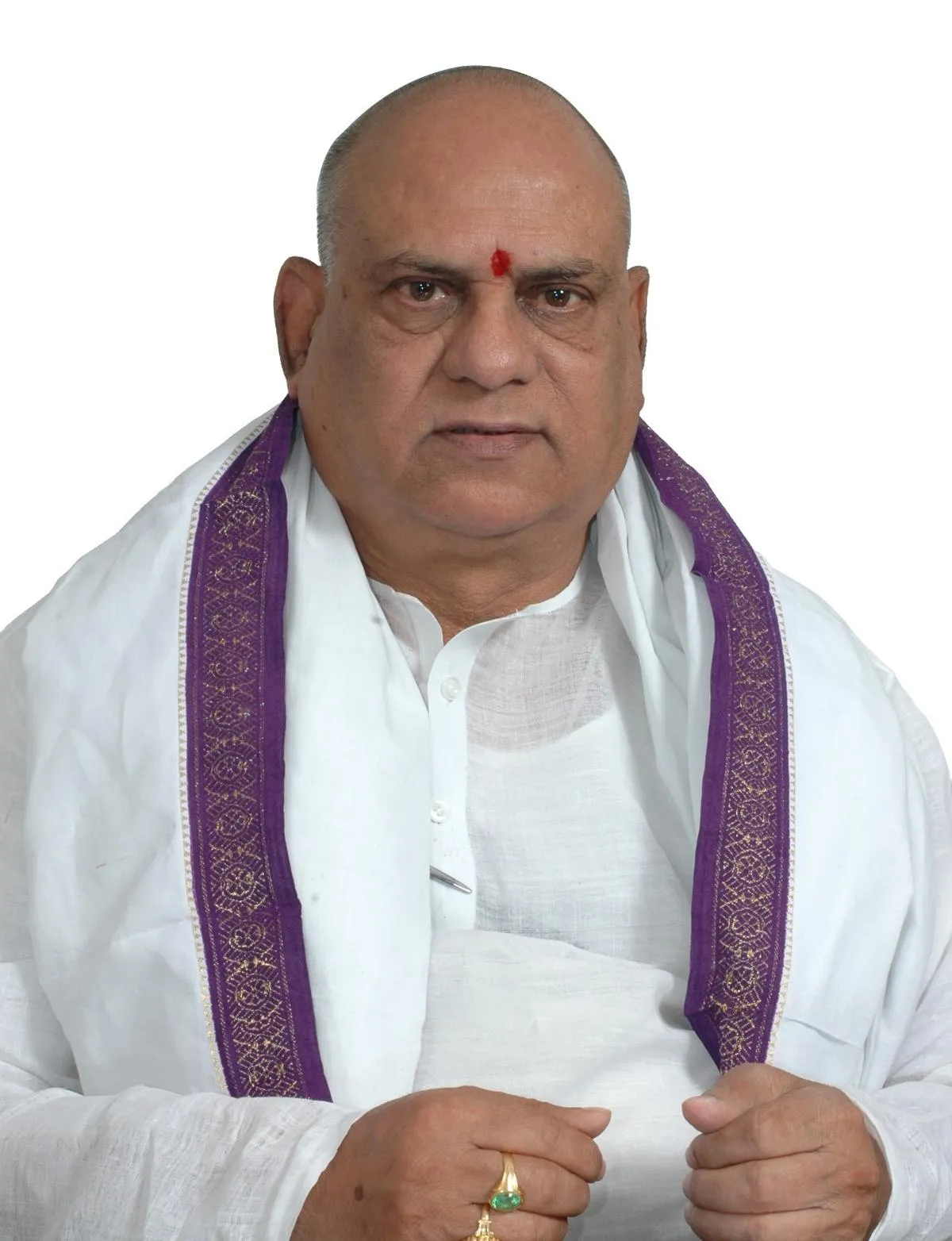
NCC Founder and Padma Shri Awardee AVS Raju Passes Away at 89
Dr Alluri Venkata Satyanarayana Raju, founder and Chairman Emeritus of NCC Limited and a Padma Shri awardee, passed away in Hyderabad on 13 October 2026. He was 89.Born on 18 April 1937 in Antarvedipalem village in Andhra Pradesh's erstwhile East Godavari district, Raju began his entrepreneurial journey in 1956. He established Nagarjuna Construction Company (NCC) Limited in 1978, which subsequently emerged as one of India's leading construction and infrastructure companies.Under his leadership, NCC became a public limited company in 1990 and expanded into one of India's prominent listed constr..

Embraer to Acquire 51 Per Cent Stake in Mahindra Aerospace Arm
Brazilian aerospace major Embraer will acquire a 51 per cent equity stake in Novavayu Aerospace, a step-down subsidiary of Mahindra and Mahindra, under an Investment Agreement notified by the automobile company in an exchange filing. The transaction will give Embraer control of the aerospace business. Following completion of the acquisition, Novavayu Aerospace will cease to be a wholly owned subsidiary and become an associate of Mahindra Defence Systems, which is a step-down wholly owned subsidiary of Mahindra and Mahindra. The agreement is expected to be completed on or before December 1. Mah..

RBI Opens Special Dollar Window for Three State-Run OMCs
The Reserve Bank of India (RBI) has opened a special facility to meet the entire daily US dollar requirements of three public sector oil marketing companies (OMCs), in a move aimed at easing pressure on the Indian rupee. The facility will take effect on October 12, 2026, and remain available until further notice. Indian Oil Corporation, Hindustan Petroleum Corporation and Bharat Petroleum Corporation are eligible to use the arrangement. Under the facility, the RBI will sell US dollars to the three companies through designated banks, allowing them to meet their oil-import payments without sourc..
Related Articles
Latest Updates