



Alpine Luxury Homes Surge 23% Despite Global Slowdown
Real Estate

Alpine Luxury Homes Surge 23% Despite Global Slowdown

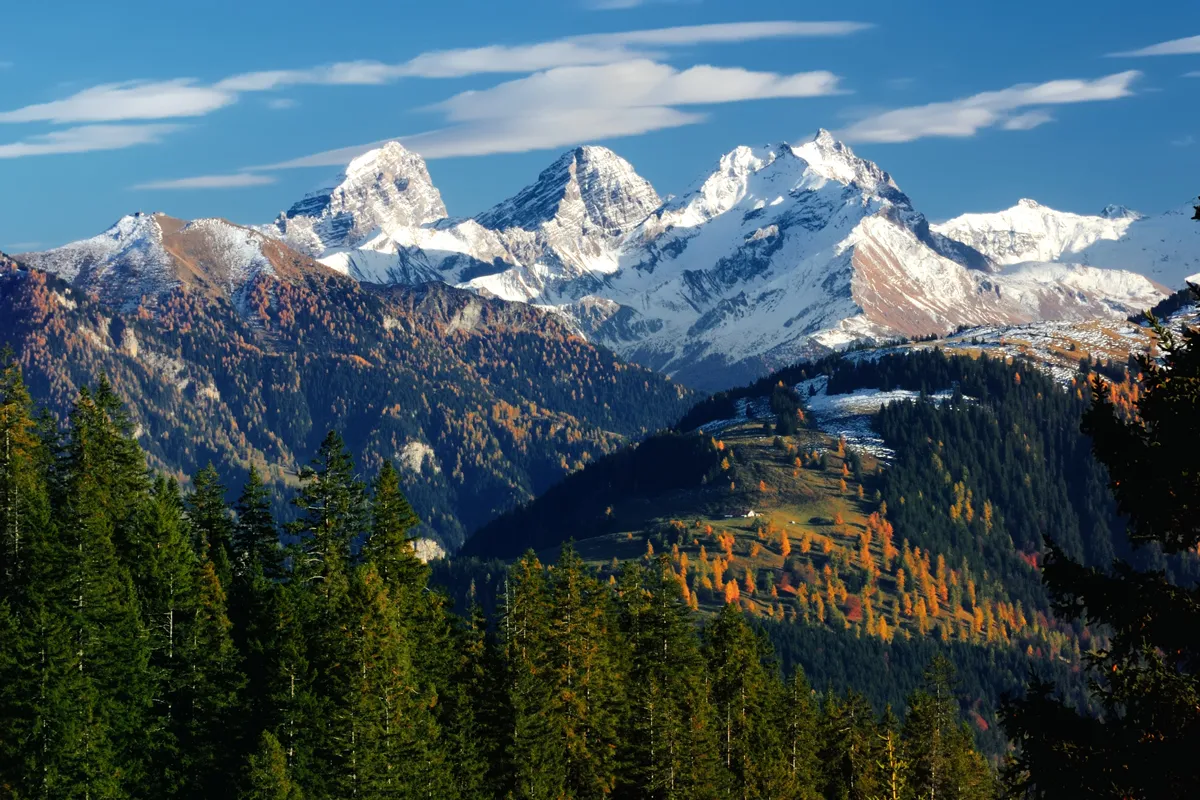
The latest Knight Frank Alpine Property Report 2026 reveals that Europe’s Alpine property market continues to outperform global luxury trends, with prime home prices rising 23 per cent on average over the past five years. The surge is being driven by year-round demand, flexible working lifestyles, and a growing appetite for permanent mountain living.

The Knight Frank Alpine Property Index recorded 3.3 per cent annual growth, led by Andermatt (+14.6 per cent), Davos (+10 per cent), and Cortina d’Ampezzo (+10 per cent), underscoring the region’s resilience and enduring international appeal.

According to the report, 73 per cent of high-net-worth individuals (HNWIs) surveyed would now consider living full-time in the Alps — a shift attributed to the pursuit of wellness, sustainability, and community living.

Key Highlights from the Report:
  • Alpine property outperforms: Prime alpine homes up 23 per cent in five years, bucking global luxury slowdowns.
  • Andermatt leads: Switzerland’s Andermatt tops the index with 14.6 per cent annual price growth, aided by relaxed ownership rules.
  • Olympic boost: Cortina d’Ampezzo home values rose 10 per cent year-on-year ahead of the 2026 Winter Olympics, yet remain 30–40 per cent below St Moritz.
  • Regulatory shifts: Chamonix’s new “one out, one in” policy tightens supply, pushing up premiums on properties with development rights.
  • Sustainability matters: Nearly half of buyers now consider climate resilience a key purchase factor, with Val Thorens, Val d’Isère, and Zermatt leading the Alpine Sustainability Index.
  • Year-round appeal: Lift pass sales are up 46 per cent in two years, highlighting the Alps’ transformation into a summer destination.
  • Top-tier destinations: Gstaad, St Moritz, and Courchevel 1850 remain the region’s most expensive markets.
“The Alpine property market has evolved from seasonal playgrounds to year-round sanctuaries,” said Kate Everett-Allen, Head of European Residential Research at Knight Frank. “The influx of full-time residents and rising summer tourism are redefining alpine living. While other luxury markets have plateaued, the Alps continue to offer lifestyle, resilience, and long-term capital value.”

The latest Knight Frank Alpine Property Report 2026 reveals that Europe’s Alpine property market continues to outperform global luxury trends, with prime home prices rising 23 per cent on average over the past five years. The surge is being driven by year-round demand, flexible working lifestyles, and a growing appetite for permanent mountain living.The Knight Frank Alpine Property Index recorded 3.3 per cent annual growth, led by Andermatt (+14.6 per cent), Davos (+10 per cent), and Cortina d’Ampezzo (+10 per cent), underscoring the region’s resilience and enduring international appeal.According to the report, 73 per cent of high-net-worth individuals (HNWIs) surveyed would now consider living full-time in the Alps — a shift attributed to the pursuit of wellness, sustainability, and community living.Key Highlights from the Report:Alpine property outperforms: Prime alpine homes up 23 per cent in five years, bucking global luxury slowdowns.Andermatt leads: Switzerland’s Andermatt tops the index with 14.6 per cent annual price growth, aided by relaxed ownership rules.Olympic boost: Cortina d’Ampezzo home values rose 10 per cent year-on-year ahead of the 2026 Winter Olympics, yet remain 30–40 per cent below St Moritz.Regulatory shifts: Chamonix’s new “one out, one in” policy tightens supply, pushing up premiums on properties with development rights.Sustainability matters: Nearly half of buyers now consider climate resilience a key purchase factor, with Val Thorens, Val d’Isère, and Zermatt leading the Alpine Sustainability Index.Year-round appeal: Lift pass sales are up 46 per cent in two years, highlighting the Alps’ transformation into a summer destination.Top-tier destinations: Gstaad, St Moritz, and Courchevel 1850 remain the region’s most expensive markets.“The Alpine property market has evolved from seasonal playgrounds to year-round sanctuaries,” said Kate Everett-Allen, Head of European Residential Research at Knight Frank. “The influx of full-time residents and rising summer tourism are redefining alpine living. While other luxury markets have plateaued, the Alps continue to offer lifestyle, resilience, and long-term capital value.”

Next Story
Infrastructure Transport

India Becomes First to Produce Bio-Bitumen for Roads

India has become the first country in the world to commercially produce bio-bitumen for use in road construction, according to Road, Transport and Highways Minister Nitin Gadkari. Bitumen, a black and viscous hydrocarbon derived from crude oil, is a key binding material in road building, and the bio-based alternative is expected to significantly improve the sector’s environmental footprint.Addressing the CSIR Technology Transfer Ceremony in New Delhi, Mr Gadkari congratulated Council of Scientific and Industrial Research on achieving the milestone, noting that the initiative would help curb ..

Next Story
Infrastructure Urban

HILT Policy Seen Boosting Telangana Revenue Sharply

The Hyderabad Industrial Land Transformation (HILT) Policy is expected to generate around Rs 1.08 billion in revenue for the Telangana state exchequer, according to Deputy Chief Minister Bhatti Vikramarka Mallu. Speaking in the Telangana Legislative Assembly, he said the policy would be implemented within a six-month timeframe in a transparent manner, with uniform rules applicable to all stakeholders. Mr Vikramarka noted that without the HILT Policy, the state would have earned only about Rs 1.2 million per acre. Under the new framework, however, revenue is projected to rise sharply to Rs 70 ..

Next Story
Infrastructure Urban

India Post, MoRD Tie Up to Boost Rural Inclusion

The Department of Posts and the Ministry of Rural Development have signed a Memorandum of Understanding to accelerate rural transformation and expand financial, digital and logistics services for Self-Help Groups (SHGs) and rural households across India. The agreement was signed in the presence of Union Minister of Communications and Development of North Eastern Region Jyotiraditya M. Scindia and Union Minister of Rural Development and Agriculture and Farmers’ Welfare Shivraj Singh Chouhan. The collaboration aligns with the government’s “Dak Sewa, Jan Sewa” vision and seeks to repositi..

Advertisement

Subscribe to Our Newsletter

Get daily newsletters around different themes from Construction world.

STAY CONNECTED

Advertisement

Advertisement

Advertisement

Advertisement

Open In App