+
Andhra Pradesh Adopts Dharavi Model For Slum Redevelopment
Real Estate

Andhra Pradesh Adopts Dharavi Model For Slum Redevelopment

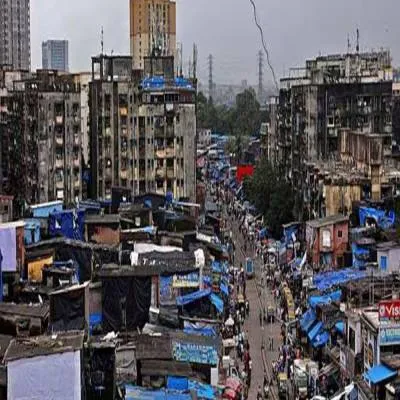
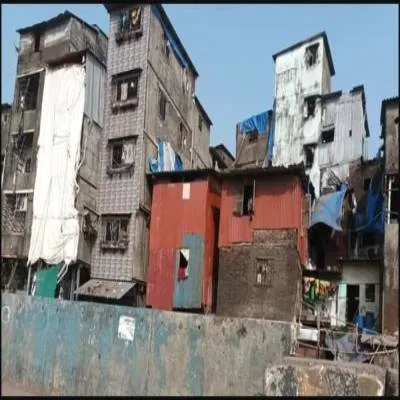
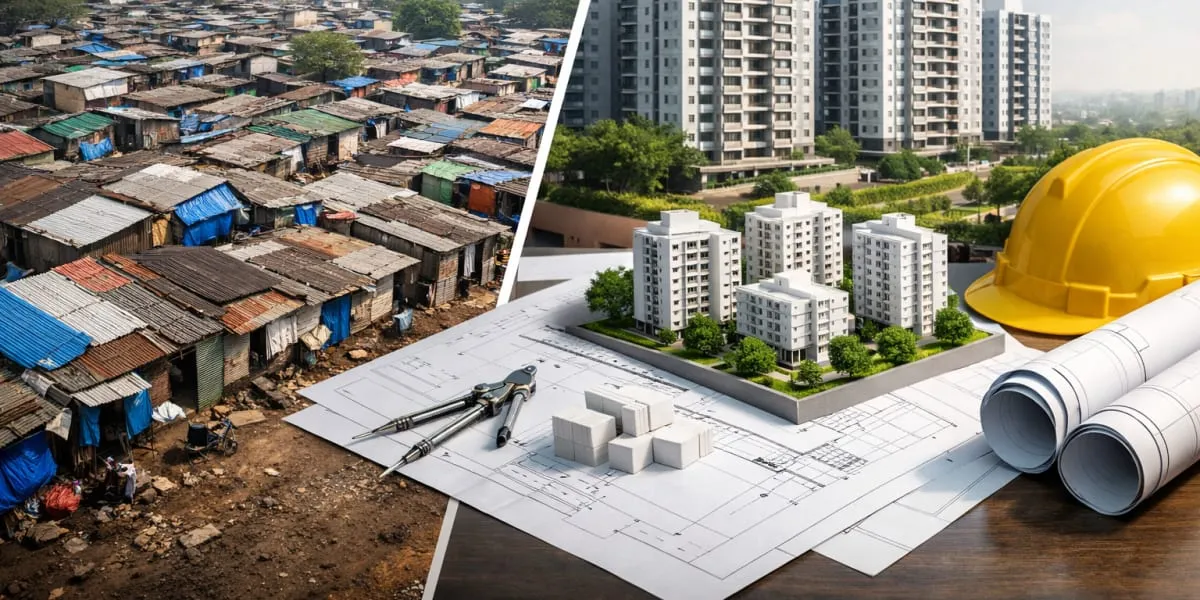
The Andhra Pradesh government has directed the Greater Visakhapatnam Municipal Corporation (GVMC) to execute the Velampeta redevelopment in a time?bound manner and to treat it as a pilot for replication in other slum pockets under the Visakhapatnam Economic Region Programme. The instruction requires the pilot to follow a structured approach to planning and implementation and to demonstrate how in situ redevelopment can be scaled. Officials have emphasised that the pilot should set standards for construction quality, safety and resident amenities.

The initiative could therefore pave the way for a much larger programme of in situ redevelopment across Visakhapatnam, enabling residents to receive modern housing without being permanently displaced from their existing neighbourhoods. The approach seeks to balance redevelopment with social continuity by prioritising schemes that keep communities intact and minimise relocation. Authorities expect the pilot to provide practical lessons on land use, tenure arrangements and the phasing of works within dense settlements.

The government has also insisted on a post?allotment management framework covering the maintenance of common areas, utilities and the ongoing upkeep of buildings before possession is handed over to beneficiaries. The framework will require mechanisms for collective maintenance, compliance with fire safety norms and measures for energy conservation as part of statutory obligations. Officials have indicated that adherence to these obligations will form part of the approval process for future projects.

Moving beyond the Velampeta pilot, the government has directed the Commissioner and Director of Municipal Administration to prepare a draft policy on slum redevelopment and middle?class housing in consultation with all stakeholder departments. The draft policy is intended to codify lessons from the pilot, outline institutional roles and establish protocols for beneficiary selection and asset management. If adopted, the policy could accelerate the replication of in situ models across the Visakhapatnam Economic Region and guide implementation timelines.

The Andhra Pradesh government has directed the Greater Visakhapatnam Municipal Corporation (GVMC) to execute the Velampeta redevelopment in a time?bound manner and to treat it as a pilot for replication in other slum pockets under the Visakhapatnam Economic Region Programme. The instruction requires the pilot to follow a structured approach to planning and implementation and to demonstrate how in situ redevelopment can be scaled. Officials have emphasised that the pilot should set standards for construction quality, safety and resident amenities. The initiative could therefore pave the way for a much larger programme of in situ redevelopment across Visakhapatnam, enabling residents to receive modern housing without being permanently displaced from their existing neighbourhoods. The approach seeks to balance redevelopment with social continuity by prioritising schemes that keep communities intact and minimise relocation. Authorities expect the pilot to provide practical lessons on land use, tenure arrangements and the phasing of works within dense settlements. The government has also insisted on a post?allotment management framework covering the maintenance of common areas, utilities and the ongoing upkeep of buildings before possession is handed over to beneficiaries. The framework will require mechanisms for collective maintenance, compliance with fire safety norms and measures for energy conservation as part of statutory obligations. Officials have indicated that adherence to these obligations will form part of the approval process for future projects. Moving beyond the Velampeta pilot, the government has directed the Commissioner and Director of Municipal Administration to prepare a draft policy on slum redevelopment and middle?class housing in consultation with all stakeholder departments. The draft policy is intended to codify lessons from the pilot, outline institutional roles and establish protocols for beneficiary selection and asset management. If adopted, the policy could accelerate the replication of in situ models across the Visakhapatnam Economic Region and guide implementation timelines.

Related Stories

Gold Stories

Next Story
Technology

The New-Age CFO: Moving Beyond Finance to Become a Business Architect

A few years ago, the CFO's role was largely defined by financial performance, reporting, cost and cash management, and financial discipline. Today, that mandate is expanding.As operations, capital, technology and risk become increasingly interconnected, the CFO is expected to influence not just financial outcomes but also the business decisions that create them. This is particularly relevant in construction and infrastructure, where material prices, procurement decisions, execution timelines, collections and financing costs can significantly alter project economics. A project can be financiall..

Next Story
Technology

UniSteps Launches BcStep for Construction Industry

UniSteps Consulting has launched BcStep, a Business Operating Network (BON) designed to bring project information, communication, tasks and workflows onto a single digital platform for the construction industry.The platform is aimed at connecting developers, architects, consultants, project management consultants, contractors, suppliers and internal teams. BcStep integrates enterprise resource planning (ERP), human resource management (HRM), chat, email and task management within one ecosystem.The company said the platform is designed to reduce time spent searching across multiple systems, man..

Next Story
Equipment

bauma ConExpo Exclusive: We are building an ecosystem around the machine: Rentease

- Inputs by Meghraj Singh, Chairman and Managing Director, RenteaseHow has RentEase evolved from a rental company into a manufacturing business?RentEase started as a rental company in 2017, after we acquired a Bangalore-based company with around 70–75 machines. Over the years, our experience on the ground helped us understand what customers actually need. We realised that they are not simply looking for a machine but for a complete equipment ecosystem.This led us to develop our own machines under the RE brand, with the concept of ‘Make it easy for our customers’. We are designing eq..

Advertisement

Subscribe to Our Newsletter

Get daily newsletters around different themes from Construction world.

STAY CONNECTED

Advertisement

SPECIAL OFFER
QR Code