

BMC Releases List of 226 Dilapidated Buildings in Mumbai
Real Estate

BMC Releases List of 226 Dilapidated Buildings in Mumbai

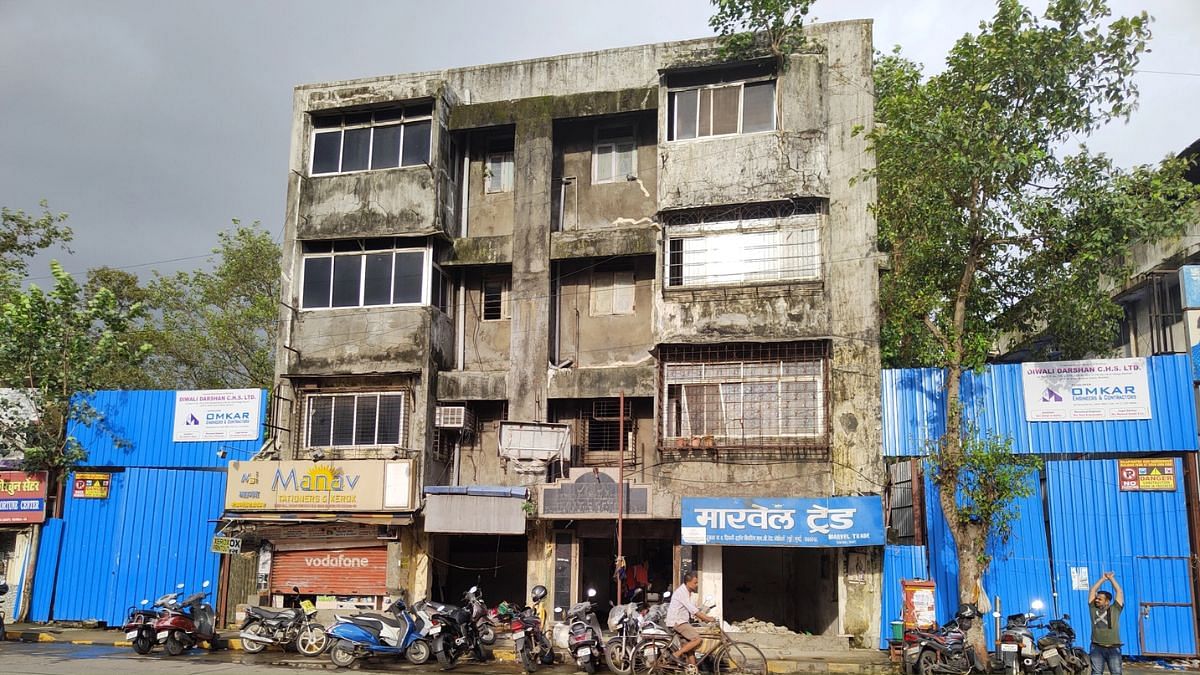
The Brihanmumbai Municipal Corporation (BMC) on Friday released a list of 226 dilapidated buildings in Mumbai. The buildings, which are in a "very dangerous" condition, have been identified as a potential hazard during the upcoming monsoon season. The BMC has appealed to residents of these buildings to vacate them as soon as possible and move to safer accommodations.

The list of dilapidated buildings includes structures in all three parts of Mumbai: the island city, the western suburbs, and the eastern suburbs. The majority of the buildings on the list are located in the western suburbs, with 126 buildings in that area. The eastern suburbs have 65 buildings on the list, and the island city has 35. The BMC has been conducting surveys of dilapidated buildings in Mumbai for several years. The surveys are conducted in order to identify buildings that are in a state of disrepair and that pose a potential hazard to residents. The BMC has been demolishing dilapidated buildings in Mumbai, but the pace of demolition has been slow.

The BMC's release of the list of dilapidated buildings comes as the city prepares for the upcoming monsoon season. The monsoon season in Mumbai is typically from June to September. During the monsoon season, Mumbai experiences heavy rains and flooding. The BMC has been working to prepare for the monsoon season by clearing drains and gutters, and by repairing roads and bridges.

The BMC's appeal to residents to vacate dilapidated buildings is a timely reminder of the dangers posed by these structures. Residents who live in dilapidated buildings should take the BMC's appeal seriously and vacate their homes as soon as possible.

See also:
BBMP to survey building conditions in Bengaluru
Jaipur civic body identifies 65 dilapidated buildings for demolition


The Brihanmumbai Municipal Corporation (BMC) on Friday released a list of 226 dilapidated buildings in Mumbai. The buildings, which are in a very dangerous condition, have been identified as a potential hazard during the upcoming monsoon season. The BMC has appealed to residents of these buildings to vacate them as soon as possible and move to safer accommodations. The list of dilapidated buildings includes structures in all three parts of Mumbai: the island city, the western suburbs, and the eastern suburbs. The majority of the buildings on the list are located in the western suburbs, with 126 buildings in that area. The eastern suburbs have 65 buildings on the list, and the island city has 35. The BMC has been conducting surveys of dilapidated buildings in Mumbai for several years. The surveys are conducted in order to identify buildings that are in a state of disrepair and that pose a potential hazard to residents. The BMC has been demolishing dilapidated buildings in Mumbai, but the pace of demolition has been slow. The BMC's release of the list of dilapidated buildings comes as the city prepares for the upcoming monsoon season. The monsoon season in Mumbai is typically from June to September. During the monsoon season, Mumbai experiences heavy rains and flooding. The BMC has been working to prepare for the monsoon season by clearing drains and gutters, and by repairing roads and bridges. The BMC's appeal to residents to vacate dilapidated buildings is a timely reminder of the dangers posed by these structures. Residents who live in dilapidated buildings should take the BMC's appeal seriously and vacate their homes as soon as possible. See also: BBMP to survey building conditions in BengaluruJaipur civic body identifies 65 dilapidated buildings for demolition

Next Story
Infrastructure Transport

India Becomes First to Produce Bio-Bitumen for Roads

India has become the first country in the world to commercially produce bio-bitumen for use in road construction, according to Road, Transport and Highways Minister Nitin Gadkari. Bitumen, a black and viscous hydrocarbon derived from crude oil, is a key binding material in road building, and the bio-based alternative is expected to significantly improve the sector’s environmental footprint.Addressing the CSIR Technology Transfer Ceremony in New Delhi, Mr Gadkari congratulated Council of Scientific and Industrial Research on achieving the milestone, noting that the initiative would help curb ..

Next Story
Infrastructure Urban

HILT Policy Seen Boosting Telangana Revenue Sharply

The Hyderabad Industrial Land Transformation (HILT) Policy is expected to generate around Rs 1.08 billion in revenue for the Telangana state exchequer, according to Deputy Chief Minister Bhatti Vikramarka Mallu. Speaking in the Telangana Legislative Assembly, he said the policy would be implemented within a six-month timeframe in a transparent manner, with uniform rules applicable to all stakeholders. Mr Vikramarka noted that without the HILT Policy, the state would have earned only about Rs 1.2 million per acre. Under the new framework, however, revenue is projected to rise sharply to Rs 70 ..

Next Story
Infrastructure Urban

India Post, MoRD Tie Up to Boost Rural Inclusion

The Department of Posts and the Ministry of Rural Development have signed a Memorandum of Understanding to accelerate rural transformation and expand financial, digital and logistics services for Self-Help Groups (SHGs) and rural households across India. The agreement was signed in the presence of Union Minister of Communications and Development of North Eastern Region Jyotiraditya M. Scindia and Union Minister of Rural Development and Agriculture and Farmers’ Welfare Shivraj Singh Chouhan. The collaboration aligns with the government’s “Dak Sewa, Jan Sewa” vision and seeks to repositi..

Advertisement

Subscribe to Our Newsletter

Get daily newsletters around different themes from Construction world.

STAY CONNECTED

Advertisement

Advertisement

Advertisement

Advertisement

Open In App