Jitendra Singh Inaugurates Key Global-Scale Labs at CSIR-NPL
POWER & RENEWABLE ENERGY

Jitendra Singh Inaugurates Key Global-Scale Labs at CSIR-NPL

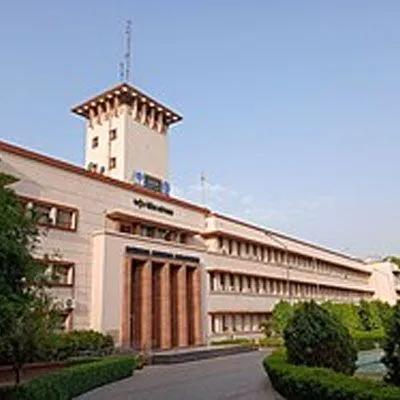
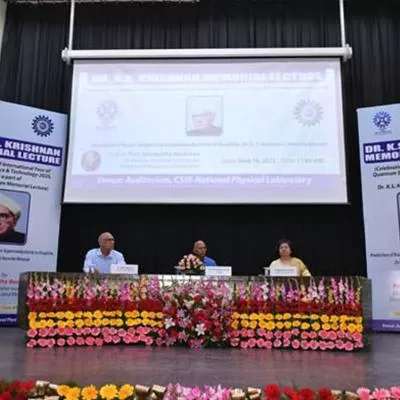
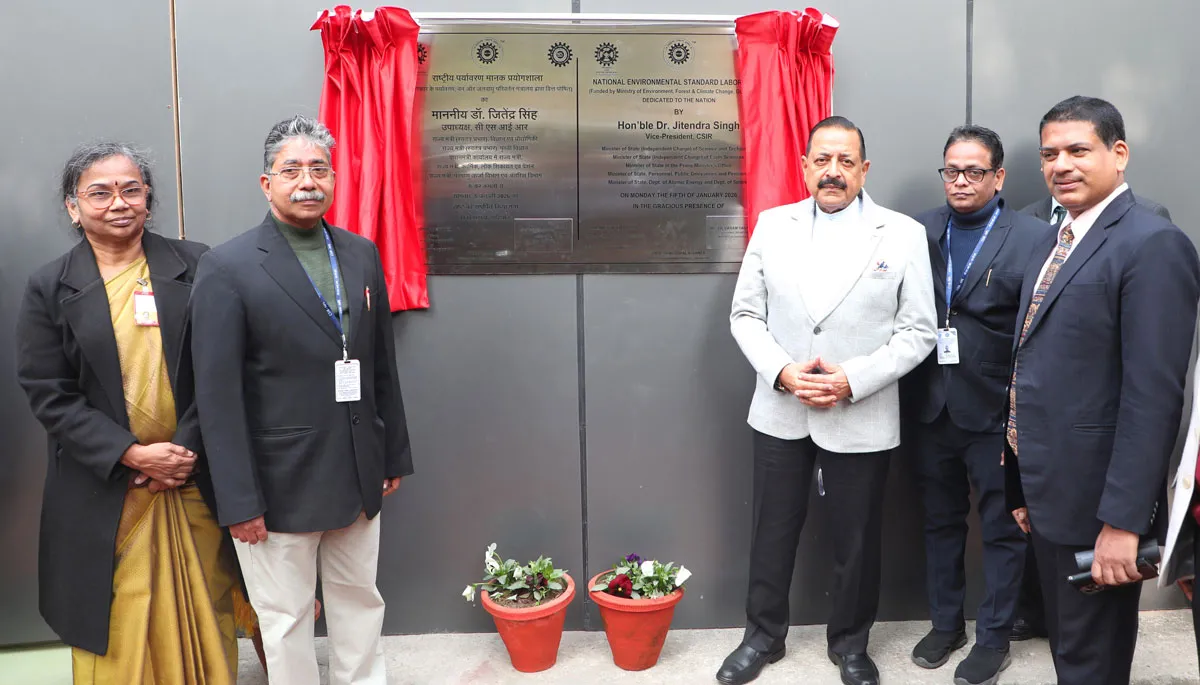
Union Minister of State (Independent Charge) for Science and Technology Dr Jitendra Singh on Monday inaugurated the world’s second National Environmental Standard Laboratory and the world’s fifth National Primary Standard Facility for Solar Cell Calibration at the CSIR–National Physical Laboratory (NPL), coinciding with the institution’s 80th Foundation Day celebrations.

Addressing the event, Dr Jitendra Singh said the new laboratories mark a major milestone in India’s scientific and regulatory capabilities. While the National Environmental Standard Laboratory represents a significant leap in environmental governance, the solar cell calibration facility places India among a select group of global leaders in solar metrology, he said.

Describing India’s premier scientific institutions as “monuments of 20th and 21st century India,” the Minister highlighted CSIR–NPL’s unique legacy, noting that the laboratory was established before Independence and later became a cornerstone of the country’s post-Independence scientific framework. He recalled NPL’s historic role in establishing Indian Standard Time, stating that for decades, much of the country synchronised its time with the atomic clock housed at the laboratory.

Dr Jitendra Singh said the National Environmental Standard Laboratory will strengthen India’s environmental governance by enabling accurate, traceable and India-specific calibration of air pollution monitoring instruments. The facility is expected to support regulators, industries and startups by ensuring reliable environmental data, particularly under initiatives such as the National Clean Air Programme.

The Minister also inaugurated the National Primary Standard Facility for Solar Cell Calibration, developed in collaboration with PTB, Germany. The laser-based Differential Spectral Responsivity system achieves a globally lowest uncertainty of 0.35% for reference solar cell calibration, reducing India’s reliance on foreign certification agencies and boosting investor confidence in the solar sector.

CSIR Director General N Kalaiselvi congratulated CSIR–NPL on completing 80 years of service, highlighting its growing global standing in environmental and solar calibration. The event also saw the release of multiple Bharatiya Nirdeshak Dravya standards and the signing of MoUs to support indigenous manufacturing, startups and MSMEs.

Dr Jitendra Singh concluded by saying India’s scientific institutions are now central to national aspirations and will play a defining role in the country’s journey towards Atmanirbhar Bharat and technological leadership by 2047.

Union Minister of State (Independent Charge) for Science and Technology Dr Jitendra Singh on Monday inaugurated the world’s second National Environmental Standard Laboratory and the world’s fifth National Primary Standard Facility for Solar Cell Calibration at the CSIR–National Physical Laboratory (NPL), coinciding with the institution’s 80th Foundation Day celebrations.Addressing the event, Dr Jitendra Singh said the new laboratories mark a major milestone in India’s scientific and regulatory capabilities. While the National Environmental Standard Laboratory represents a significant leap in environmental governance, the solar cell calibration facility places India among a select group of global leaders in solar metrology, he said.Describing India’s premier scientific institutions as “monuments of 20th and 21st century India,” the Minister highlighted CSIR–NPL’s unique legacy, noting that the laboratory was established before Independence and later became a cornerstone of the country’s post-Independence scientific framework. He recalled NPL’s historic role in establishing Indian Standard Time, stating that for decades, much of the country synchronised its time with the atomic clock housed at the laboratory.Dr Jitendra Singh said the National Environmental Standard Laboratory will strengthen India’s environmental governance by enabling accurate, traceable and India-specific calibration of air pollution monitoring instruments. The facility is expected to support regulators, industries and startups by ensuring reliable environmental data, particularly under initiatives such as the National Clean Air Programme.The Minister also inaugurated the National Primary Standard Facility for Solar Cell Calibration, developed in collaboration with PTB, Germany. The laser-based Differential Spectral Responsivity system achieves a globally lowest uncertainty of 0.35% for reference solar cell calibration, reducing India’s reliance on foreign certification agencies and boosting investor confidence in the solar sector.CSIR Director General N Kalaiselvi congratulated CSIR–NPL on completing 80 years of service, highlighting its growing global standing in environmental and solar calibration. The event also saw the release of multiple Bharatiya Nirdeshak Dravya standards and the signing of MoUs to support indigenous manufacturing, startups and MSMEs.Dr Jitendra Singh concluded by saying India’s scientific institutions are now central to national aspirations and will play a defining role in the country’s journey towards Atmanirbhar Bharat and technological leadership by 2047.

Next Story
Infrastructure Urban

Runaya–ECKART JV Launches India’s First Gas-Atomised Al Unit

Runaya Metsource and Germany-based ECKART have announced the launch of their joint venture facility, Runaya Eckart Aluminium Powders Private Limited (REL), in Jharsuguda, Odisha, marking the establishment of India’s first plant for manufacturing green, spherical gas-atomised aluminium powders.The facility will produce high-precision aluminium powders for advanced applications across aviation, aerospace, space exploration, solar technology, process catalyst industries and effect pigments. These fine spherical powders, which were previously fully imported into India, represent a significant mi..

Next Story
Infrastructure Urban

Tamil Nadu Extends 100% EV Road Tax Exemption Till 2027

The Tamil Nadu government has extended the 100% road tax exemption for battery-operated electric vehicles for another two years, reinforcing its efforts to sustain momentum in EV adoption across the state.According to a government order issued on December 29, the tax exemption has been extended for all categories of battery-operated vehicles, including both transport and non-transport vehicles, from January 1, 2026, to December 31, 2027. The move ensures continuity of fiscal incentives as electric vehicle penetration continues to rise in the state.The decision follows sustained representations..

Next Story
Infrastructure Energy

Coal India Arm BCCL Targets 54 MT Output, Rs 200 Bn by FY30

Bharat Coking Coal (BCCL), a subsidiary of Coal India, plans to scale up its coking coal production to 54 million tonnes by FY 2029–30, with the bulk of incremental supplies earmarked for the steel sector. The expansion is expected to drive the company’s revenue close to Rs 200 billion by the end of the decade, senior officials said.The production push aligns with India’s broader objective of achieving a national coking coal output target of 140 million tonnes to reduce dependence on imports. BCCL currently produces around 40.5 million tonnes of coking coal and contributes nearly 58.5 pe..

Advertisement

Subscribe to Our Newsletter

Get daily newsletters around different themes from Construction world.

STAY CONNECTED

Advertisement

Advertisement

Advertisement

Advertisement

Open In App