



Delhi SEIAAA approves Ashok Vihar group housing colony
Real Estate

Delhi SEIAAA approves Ashok Vihar group housing colony

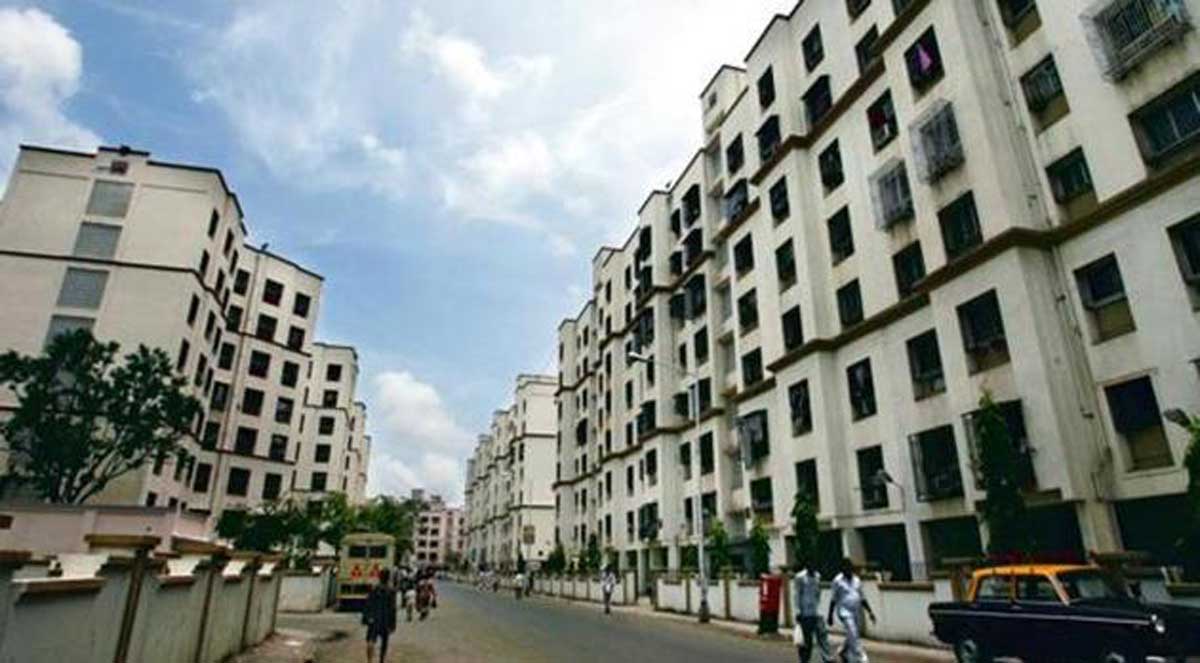
The construction of a group housing colony at Ashok Vihar in northwest Delhi was recently granted environmental clearance by the Delhi State Environment Impact Assessment Authority (SEIAAA).

SEIAAA announced that out of the 1,961 trees present at the site, a hundred would be transplanted within the premises, 662 would be relocated off-site, 996 would be pruned, and 203 would be retained. Additionally, SEIAAA requested the project proponent to preserve the sheesham trees situated along the boundary wall.

According to the environmental clearance, the Rail Land Development Authority, which owns the land parcel, has leased it to an agency responsible for developing the group housing colony.

Although the project initially received environmental clearance in 2021, the project proponent later claimed that there had been a clerical error in the tree count. Consequently, they applied for an amendment to the environmental clearance to rectify the mistake.

Also read:
Thane Zilla Parishad to map & create database of properties
Pune civic body seals buildings over property tax dues


The construction of a group housing colony at Ashok Vihar in northwest Delhi was recently granted environmental clearance by the Delhi State Environment Impact Assessment Authority (SEIAAA). SEIAAA announced that out of the 1,961 trees present at the site, a hundred would be transplanted within the premises, 662 would be relocated off-site, 996 would be pruned, and 203 would be retained. Additionally, SEIAAA requested the project proponent to preserve the sheesham trees situated along the boundary wall. According to the environmental clearance, the Rail Land Development Authority, which owns the land parcel, has leased it to an agency responsible for developing the group housing colony. Although the project initially received environmental clearance in 2021, the project proponent later claimed that there had been a clerical error in the tree count. Consequently, they applied for an amendment to the environmental clearance to rectify the mistake. Also read: Thane Zilla Parishad to map & create database of properties Pune civic body seals buildings over property tax dues

Next Story
Infrastructure Urban

Implementation Status of Jal Jeevan Mission

Since August 2019 the Government has implemented Jal Jeevan Mission to provide assured potable water through household tap connections in rural India. At the start of the mission only 32.3 million (mn) rural households, representing 16.7 per cent, were reported to have tap water connections. States and union territories have reported that 125.8 mn additional rural households have since been provided with tap connections. As a result, of about 193.6 mn rural households roughly 158.2 mn, or 81.71 per cent, are reported to have tap water supply at home.\n\nThe State, district and village level st..

Next Story
Infrastructure Urban

Jal Jeevan Mission Reaches Eighty One Per Cent Rural Coverage

The Government reported substantial progress under the Jal Jeevan Mission, launched in August 2019 to provide tap water to every rural household. At launch only 32.3 million (mn) rural households had tap connections and states and Union territories reported provision of 125.8 mn additional households by March 2026. Consequently, out of about 193.6 mn rural households around 158.2 mn, or 81.71 per cent, are reported to have tap water at home. The Finance Minister announced extension of the mission until 2028 in the 2025-26 budget speech. The Swachh Bharat Mission Grameen, launched in October 20..

Next Story
Infrastructure Urban

Empowering Local Governance for Sustainable Rural Water Supply

The Ministry of Jal Shakti has aligned the Jal Jeevan Mission (JJM) with the 73rd Amendment to strengthen village level planning and community ownership of water supply. Gram Panchayats, village water and sanitation committees and Pani Samitis are to plan, implement, manage and maintain piped water systems, with gram sabha processes formalising handover and oversight. Implementation support agencies including non government organisations, community based organisations and self help groups have been empanelled to train local committees and promote women participation. Under JJM, the department ..

Advertisement

Subscribe to Our Newsletter

Get daily newsletters around different themes from Construction world.

STAY CONNECTED

Advertisement

Advertisement

Advertisement