Dubai Real Estate Enters 2026 with Shift Towards Logic-Driven Buying: Report
Real Estate

Dubai Real Estate Enters 2026 with Shift Towards Logic-Driven Buying: Report

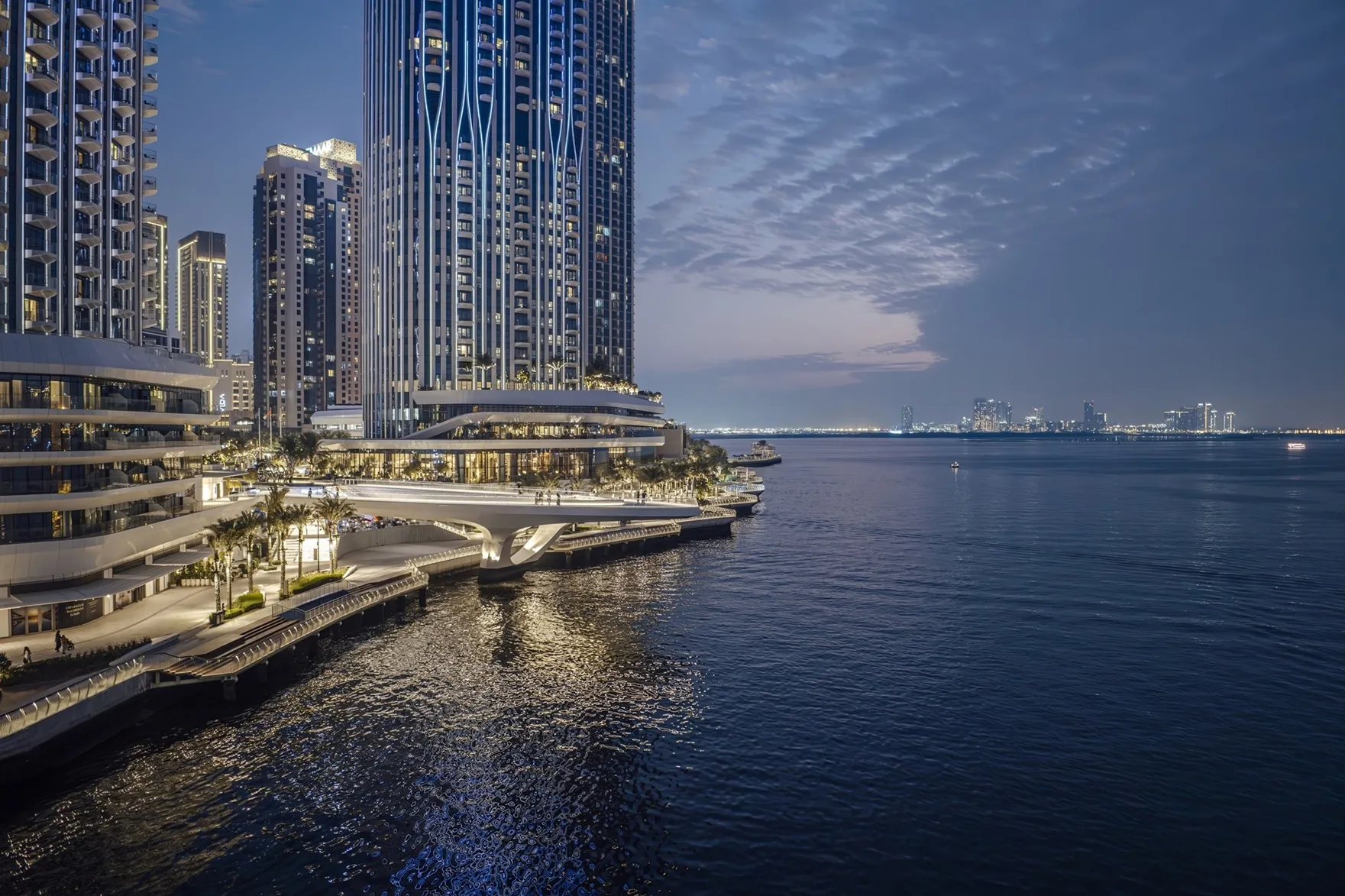
Dubai’s real estate market is entering 2026 with a decisive shift from momentum-driven buying to logic-based decision-making, according to a new market outlook released by fäm Properties. While 2025 marked another record-breaking year in transaction volumes, the coming phase is expected to reward projects backed by strong fundamentals, credible developers and long-term value creation.
Data from DXBInteract, based on Dubai Land Department records, shows that property transactions in 2025 reached a historic high of 197,263 deals valued at AED 624.1 billion. The surge was fuelled by strong end-user demand, rising global capital inflows and sustained interest across both residential and commercial segments.
The report notes that while momentum defined 2025, buyer behaviour is now evolving. End-users are increasingly prioritising connectivity, construction quality, developer credibility and long-term livability over speculative gains. Luxury and ultra-luxury assets continue to outperform, supported by limited supply and sustained demand from high-net-worth individuals.
According to fäm Properties, key trends shaping 2026 include a shift toward logic-based buying, stronger demand for Tier-1 developers, and rising importance of metro-linked and infrastructure-driven locations. Commercial real estate, particularly office and mixed-use developments, is expected to remain resilient amid continued business expansion and global capital inflows.
The report also highlights that areas benefiting from new transport infrastructure, including upcoming Metro corridors and transit-oriented developments, are likely to witness stronger price resilience. Prime villa communities such as Palm Jumeirah, Jumeirah Bay Island, Dubai Hills Estate and Mohammed Bin Rashid City are expected to maintain premium valuations due to constrained supply and sustained demand.
“2026 will reward discipline over speculation,” said Firas Al Msaddi, CEO of fäm Properties. “Buyers are becoming more analytical, focusing on fundamentals such as location, build quality, developer credibility and long-term usability. Projects that deliver on these parameters will outperform.”
The report concludes that Dubai’s property market is entering a more mature phase, where data-led decision-making, infrastructure alignment and genuine end-user demand will define long-term success.

Dubai’s real estate market is entering 2026 with a decisive shift from momentum-driven buying to logic-based decision-making, according to a new market outlook released by fäm Properties. While 2025 marked another record-breaking year in transaction volumes, the coming phase is expected to reward projects backed by strong fundamentals, credible developers and long-term value creation.Data from DXBInteract, based on Dubai Land Department records, shows that property transactions in 2025 reached a historic high of 197,263 deals valued at AED 624.1 billion. The surge was fuelled by strong end-user demand, rising global capital inflows and sustained interest across both residential and commercial segments.The report notes that while momentum defined 2025, buyer behaviour is now evolving. End-users are increasingly prioritising connectivity, construction quality, developer credibility and long-term livability over speculative gains. Luxury and ultra-luxury assets continue to outperform, supported by limited supply and sustained demand from high-net-worth individuals.According to fäm Properties, key trends shaping 2026 include a shift toward logic-based buying, stronger demand for Tier-1 developers, and rising importance of metro-linked and infrastructure-driven locations. Commercial real estate, particularly office and mixed-use developments, is expected to remain resilient amid continued business expansion and global capital inflows.The report also highlights that areas benefiting from new transport infrastructure, including upcoming Metro corridors and transit-oriented developments, are likely to witness stronger price resilience. Prime villa communities such as Palm Jumeirah, Jumeirah Bay Island, Dubai Hills Estate and Mohammed Bin Rashid City are expected to maintain premium valuations due to constrained supply and sustained demand.“2026 will reward discipline over speculation,” said Firas Al Msaddi, CEO of fäm Properties. “Buyers are becoming more analytical, focusing on fundamentals such as location, build quality, developer credibility and long-term usability. Projects that deliver on these parameters will outperform.”The report concludes that Dubai’s property market is entering a more mature phase, where data-led decision-making, infrastructure alignment and genuine end-user demand will define long-term success.

Related Stories

Gold Stories

Next Story
Infrastructure Urban

KONE Opens India's First Digital Experience Centre in Pune

KONE, a global elevator and escalator manufacturer, has inaugurated its first Digital Experience Centre (DEC) in India, located in Pune. The facility aims to showcase how artificial intelligence (AI), connectivity and data-driven technologies can enhance customer experiences and improve building operations.The centre was inaugurated by Jussi Herlin, Executive Vice Chair, KONE Corporation; Philippe Delorme, President and CEO, KONE; and Nandan Nilekani, Co-founder and Chairman of the Board, Infosys.Designed as an interactive customer environment, the facility demonstrates digital solutions cover..

Next Story
Infrastructure Urban

CII GreenCo Launches Circularity Guidelines for Indian Industry

The Confederation of Indian Industry (CII) GreenCo Council has launched the CII GreenCo Circularity Guidelines – Pilot Version at the 17th CII GreenCo Waste & Resource Management Summit 2026 in Chennai. The initiative aims to strengthen resource efficiency, waste reduction and circular economy practices across Indian manufacturing and process industries.The guidelines introduce a structured framework with circularity indices covering raw materials, consumables, packaging and other resource inputs. These indicators will help industries assess existing practices, identify opportunities to ..

Next Story
Infrastructure Energy

Global Electronics Association Launches IPC-1783-CO2E Standard

The Global Electronics Association has introduced IPC-1783-CO2E, a new international standard aimed at improving consistency, transparency and comparability in product carbon footprint reporting across the electronics manufacturing industry.The standard, titled International Standard for Data Collection and Reporting of CO2 Equivalent (CO2e) Emissions for the Electronics Manufacturing Supply Chain, provides industry-specific guidance for collecting, estimating and reporting carbon emissions data.With increasing regulatory requirements and customer expectations, electronics manufacturers face c..

Advertisement

Subscribe to Our Newsletter

Get daily newsletters around different themes from Construction world.

STAY CONNECTED

Advertisement

SPECIAL OFFER
QR Code