


ICRA Backs IBC Changes, Flags Realty Risks
Real Estate

ICRA Backs IBC Changes, Flags Realty Risks

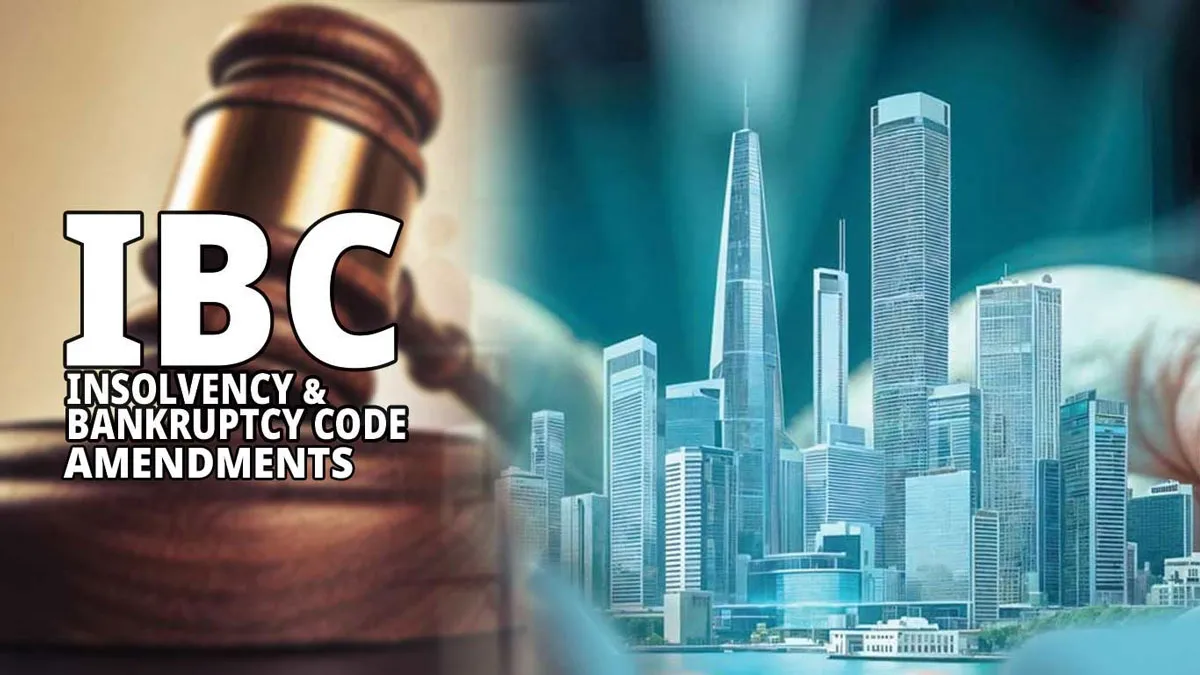
Credit rating agency ICRA has termed the proposed amendments to the Insolvency and Bankruptcy Code (IBC) encouraging, saying they could help improve recovery rates and reduce resolution timelines. However, it cautioned that long-standing structural challenges in the real estate sector remain largely unaddressed.

ICRA noted that the real estate and construction sector continues to account for the second-highest share of cases under the Corporate Insolvency Resolution Process (CIRP). Despite policy measures aimed at protecting homebuyers and resolving stalled housing projects, the proposed amendments do not include sector-specific reforms. As a result, the agency said the benefits of the changes are likely to accrue mainly to non-real estate cases.

Since its introduction in October 2016, the IBC has enabled recoveries of around Rs 4 trillion, outperforming other recovery mechanisms. Even so, lenders continue to face steep haircuts, with average recoveries under successful resolution plans at about 32 per cent of admitted claims as of September 2025.

ICRA highlighted a worrying trend of lengthening resolution timelines. Nearly three-fourths of ongoing CIRP cases have exceeded 270 days after admission, far beyond the stipulated period. Persistent delays at the National Company Law Tribunal remain a major bottleneck, with more than 30,000 cases pending as of March 2025. At the current pace, the agency said, clearing the backlog could take over a decade.

Among the key reforms under consideration are the introduction of group insolvency, cross-border insolvency, creditor-initiated insolvency and the option to allow multiple or asset-wise resolution plans. ICRA said these measures could improve outcomes, particularly for companies with diversified businesses.

However, the agency stressed that expanding the capacity of the National Company Law Tribunal and the National Company Law Appellate Tribunal will be critical to ensuring that the proposed reforms translate into faster and more effective insolvency resolutions.

Manushree Saggar, Senior Vice President at ICRA, said the recommendations of the Standing Committee on Law and Business, if implemented, are expected to improve recovery rates and shorten CIRP timelines under the IBC, but added that tribunal delays continue to be the key constraint.

Credit rating agency ICRA has termed the proposed amendments to the Insolvency and Bankruptcy Code (IBC) encouraging, saying they could help improve recovery rates and reduce resolution timelines. However, it cautioned that long-standing structural challenges in the real estate sector remain largely unaddressed. ICRA noted that the real estate and construction sector continues to account for the second-highest share of cases under the Corporate Insolvency Resolution Process (CIRP). Despite policy measures aimed at protecting homebuyers and resolving stalled housing projects, the proposed amendments do not include sector-specific reforms. As a result, the agency said the benefits of the changes are likely to accrue mainly to non-real estate cases. Since its introduction in October 2016, the IBC has enabled recoveries of around Rs 4 trillion, outperforming other recovery mechanisms. Even so, lenders continue to face steep haircuts, with average recoveries under successful resolution plans at about 32 per cent of admitted claims as of September 2025. ICRA highlighted a worrying trend of lengthening resolution timelines. Nearly three-fourths of ongoing CIRP cases have exceeded 270 days after admission, far beyond the stipulated period. Persistent delays at the National Company Law Tribunal remain a major bottleneck, with more than 30,000 cases pending as of March 2025. At the current pace, the agency said, clearing the backlog could take over a decade. Among the key reforms under consideration are the introduction of group insolvency, cross-border insolvency, creditor-initiated insolvency and the option to allow multiple or asset-wise resolution plans. ICRA said these measures could improve outcomes, particularly for companies with diversified businesses. However, the agency stressed that expanding the capacity of the National Company Law Tribunal and the National Company Law Appellate Tribunal will be critical to ensuring that the proposed reforms translate into faster and more effective insolvency resolutions. Manushree Saggar, Senior Vice President at ICRA, said the recommendations of the Standing Committee on Law and Business, if implemented, are expected to improve recovery rates and shorten CIRP timelines under the IBC, but added that tribunal delays continue to be the key constraint.

Next Story
Real Estate

A Paradigm Shift

The Indian real-estate and construction sector, which employs a significant number of organised and unorganised workers in the country, has embarked on a paradigm shift in its regulatory framework from an employment law perspective. With the four Labour Codes – the Code on Wages, 2019 (Wage Code); the Industrial Relations Code, 2020 (IR Code); the Code on Social Security, 2020 (SS Code) and the Occupational Safety, Health and Working Conditions Code, 2020 (OSH Code) – coming into effect in India from November 21, 2025, the industry is shifting away from a fragmented, contractor- driven com..

Next Story
Technology

We offer end-to-end traceability at scale

mjunction has evolved from an e-auction pioneer into a multi-vertical digital commerce platform with deep expertise in complex steel and coal supply chains. Its end-to-end, AI-led architecture focuses on price discovery, traceability, compliance and scalability, enabling transparent procurement, efficient logistics and data-driven decision-making across geographies. Vinaya Varma, MD, shares more about the company in conversation with CW.From a technology standpoint, what are the core USPs of mjunction today that differentiate it in steel and coal supply chains?mjunction has evolved b..

Next Story
Infrastructure Urban

Henkel, Rotary Recycle PoP Ganesha Idols Under Project HARMONY

Henkel India, in partnership with the Rotary Club of Navi Mumbai – Joy of Giving and with support from the Navi Mumbai Municipal Corporation (NMMC), has advanced circular sustainability through Project HARMONY by recycling Plaster of Paris (PoP) Ganesha idols into community learning assets. The initiative highlights an integrated approach to environmental restoration and social impact.As part of the project, materials collected after Ganesh Visarjan 2025 at Nerul were responsibly diverted from land and water bodies and processed at an authorised recycling facility, with on-ground execution s..

Advertisement

Subscribe to Our Newsletter

Get daily newsletters around different themes from Construction world.

STAY CONNECTED

Advertisement

Advertisement

Advertisement

Advertisement

Open In App