Maharashtra Cabinet Clears Police Housing, Transport Projects
Real Estate

Maharashtra Cabinet Clears Police Housing, Transport Projects

The Maharashtra cabinet, at its meeting on Saturday, approved a series of major infrastructure and social sector projects, including the Mumbai Police Housing Township Project, aimed at easing accommodation shortages for 51,308 police personnel. Under the project, around 40,000–45,000 residential units will be developed across nearly 50 million square feet of land in Mumbai and its suburbs, at an estimated cost of about Rs 200 billion.

The state government will contribute 30 per cent of the project cost, while the remaining 70 per cent will be raised by the Maharashtra State Infrastructure Development Corporation through loans from financial institutions. The cabinet also approved an initial grant of Rs 1 billion to the corporation for preparing technical and financial feasibility reports and for initiating the project.

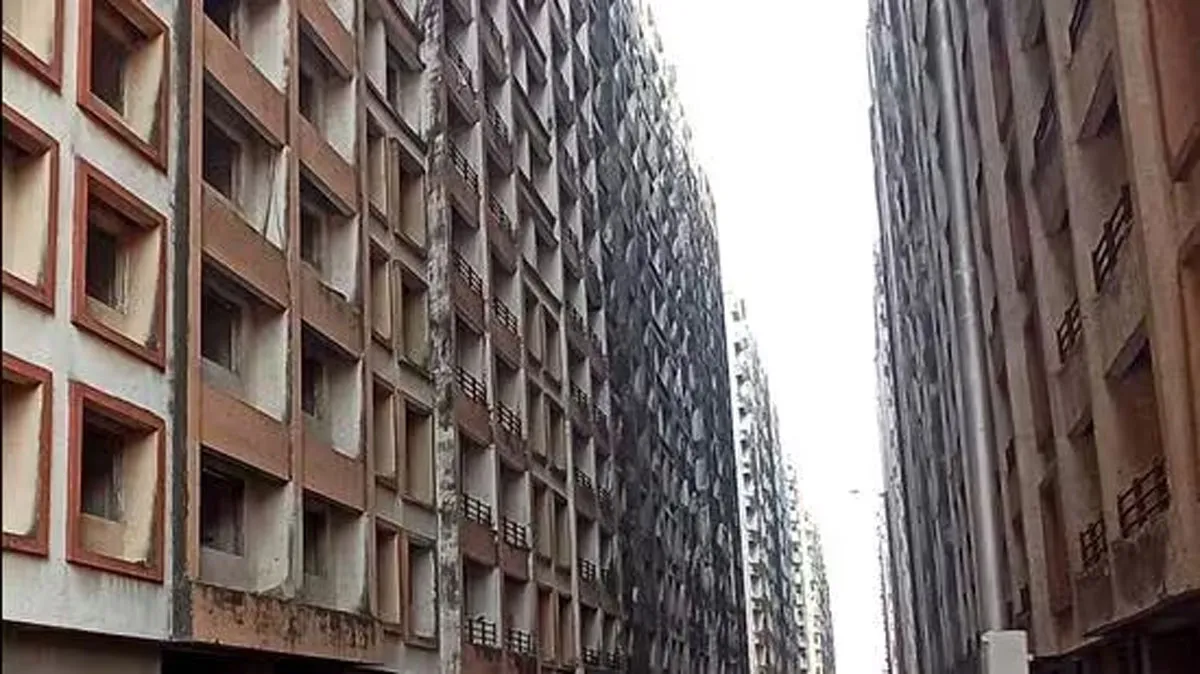
According to an official note, many existing police quarters are located in ageing structures dating back to the British era. Of the 22,904 police residences currently available, around 3,777 are unfit for occupation. Due to the shortage of housing, several police personnel are forced to commute long distances daily. The government noted that, given the nature of police duties, it is essential for personnel to live close to their place of work.

The cabinet also approved the establishment of the Maharashtra Agency for Holistic International Mobility & Advancements, or MAHIMA, to coordinate and implement overseas employment opportunities for youth from the state. The agency, to be chaired by the chief minister, will provide information and support related to job opportunities abroad. The government said interest in international employment has risen due to higher wages and better opportunities in developed countries, with states such as Kerala, Telangana and Andhra Pradesh having already set up similar apex bodies.

In the transport sector, the cabinet cleared the revised financial plan of Phase 2 of the Mumbai Urban Transport Project, with an outlay of Rs 80.87 billion, subject to early commercial development of railway land at Bandra (East). An additional Rs 6.47 billion contribution by the Mumbai Metropolitan Region Development Authority towards the state’s share was also approved. One-third of the proceeds from the commercial development of the Bandra (East) land will accrue to the state government and be deposited in the Urban Transport Fund for use in transport projects. Separately, Rs 16.52 billion collected through a surcharge on suburban railway tickets has been deposited with the Mumbai Railway Vikas Corporation and utilised for various components of MUTP-2.

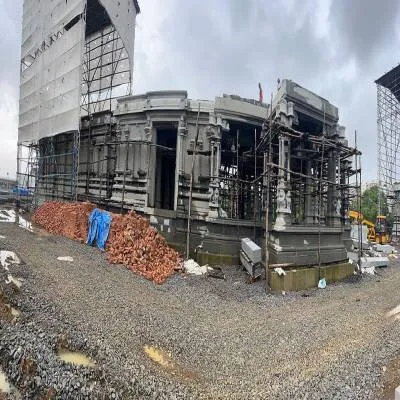
The cabinet further approved the allotment of 3.6 acres of land at a nominal rate of Re 1 per square metre, with a waiver of other charges, to the Tirumala Tirupati Devasthanams Board for construction of the Shri Padmavati Ammavari Temple at Ulwe in Navi Mumbai. A similar Re 1 per square metre allotment was approved at Panvel (West) for the Annasaheb Patil Economic Backward Development Corporation headquarters.

In another decision, approval was granted to allot land to the State Agricultural Marketing Board for setting up a multi-modal hub and terminal market for fruit and vegetable exports. The project will be developed under the SMART initiative, a joint programme of the World Bank and the Maharashtra government, with an approved outlay of Rs 986.6 million. Facilities such as vapour heat treatment, plant irradiation, pack houses and storage infrastructure for fruits and vegetables will be developed at the site to support farmers and boost exports.

The Maharashtra cabinet, at its meeting on Saturday, approved a series of major infrastructure and social sector projects, including the Mumbai Police Housing Township Project, aimed at easing accommodation shortages for 51,308 police personnel. Under the project, around 40,000–45,000 residential units will be developed across nearly 50 million square feet of land in Mumbai and its suburbs, at an estimated cost of about Rs 200 billion. The state government will contribute 30 per cent of the project cost, while the remaining 70 per cent will be raised by the Maharashtra State Infrastructure Development Corporation through loans from financial institutions. The cabinet also approved an initial grant of Rs 1 billion to the corporation for preparing technical and financial feasibility reports and for initiating the project. According to an official note, many existing police quarters are located in ageing structures dating back to the British era. Of the 22,904 police residences currently available, around 3,777 are unfit for occupation. Due to the shortage of housing, several police personnel are forced to commute long distances daily. The government noted that, given the nature of police duties, it is essential for personnel to live close to their place of work. The cabinet also approved the establishment of the Maharashtra Agency for Holistic International Mobility & Advancements, or MAHIMA, to coordinate and implement overseas employment opportunities for youth from the state. The agency, to be chaired by the chief minister, will provide information and support related to job opportunities abroad. The government said interest in international employment has risen due to higher wages and better opportunities in developed countries, with states such as Kerala, Telangana and Andhra Pradesh having already set up similar apex bodies. In the transport sector, the cabinet cleared the revised financial plan of Phase 2 of the Mumbai Urban Transport Project, with an outlay of Rs 80.87 billion, subject to early commercial development of railway land at Bandra (East). An additional Rs 6.47 billion contribution by the Mumbai Metropolitan Region Development Authority towards the state’s share was also approved. One-third of the proceeds from the commercial development of the Bandra (East) land will accrue to the state government and be deposited in the Urban Transport Fund for use in transport projects. Separately, Rs 16.52 billion collected through a surcharge on suburban railway tickets has been deposited with the Mumbai Railway Vikas Corporation and utilised for various components of MUTP-2. The cabinet further approved the allotment of 3.6 acres of land at a nominal rate of Re 1 per square metre, with a waiver of other charges, to the Tirumala Tirupati Devasthanams Board for construction of the Shri Padmavati Ammavari Temple at Ulwe in Navi Mumbai. A similar Re 1 per square metre allotment was approved at Panvel (West) for the Annasaheb Patil Economic Backward Development Corporation headquarters. In another decision, approval was granted to allot land to the State Agricultural Marketing Board for setting up a multi-modal hub and terminal market for fruit and vegetable exports. The project will be developed under the SMART initiative, a joint programme of the World Bank and the Maharashtra government, with an approved outlay of Rs 986.6 million. Facilities such as vapour heat treatment, plant irradiation, pack houses and storage infrastructure for fruits and vegetables will be developed at the site to support farmers and boost exports.

Next Story
Infrastructure Urban

Vedanta Secures AA+ Rating from ICRA

Vedanta Group has received its highest domestic credit rating in over a decade after ICRA upgraded the long-term ratings of Vedanta Limited and Vedanta Aluminium Metal Limited to AA+ with a Stable outlook. Talwandi Sabo Power Limited was also upgraded to AA-/Stable from A+/Watch Developing, while the group’s short-term rating was reaffirmed at A1+.The rating action marks Vedanta’s highest domestic credit rating since 2014. Vedanta Limited and Vedanta Aluminium Metal Limited, two of the largest entities emerging from the demerger, together account for over 75 per cent of the group’s long-..

Next Story
Infrastructure Urban

Netrasemi Launches Edge AI Chip A2000

Fabless semiconductor startup Netrasemi has launched its flagship Edge AI system-on-chip, A2000, after achieving successful silicon bring-up. Fabricated at TSMC’s 12 nm technology node, the chip is designed for on-device AI, smart vision, real-time video analytics and secure edge computing.A2000 features Netrasemi’s in-house Neural Processing Unit, Vision Processing Unit, Image Signal Processor, crypto engines and other hardware acceleration IP cores. It also uses the company’s patented heterogeneous graph-stream parallel processing architecture.The chip targets applications such as smar..

Next Story
Infrastructure Energy

Sigenergy Launches AI Agent For Energy Systems

Sigenergy has introduced SigenAgent, described as the energy industry’s first all-domain AI agent, during its ‘AI in All’ event. The platform is designed to move solar-and-storage systems from reactive hardware to autonomous, goal-driven energy systems for households and businesses.SigenAgent works through a continuous loop of perception, reasoning and action. It analyses real-time factors such as weather patterns, electricity prices and grid conditions to determine and execute the most efficient operating strategy. Users can set broad goals, such as reducing electricity bills or securin..

Advertisement

Subscribe to Our Newsletter

Get daily newsletters around different themes from Construction world.

STAY CONNECTED

Advertisement

Advertisement

Advertisement

-->