


+
MahaRERA bid to revive projects
Real Estate

MahaRERA bid to revive projects

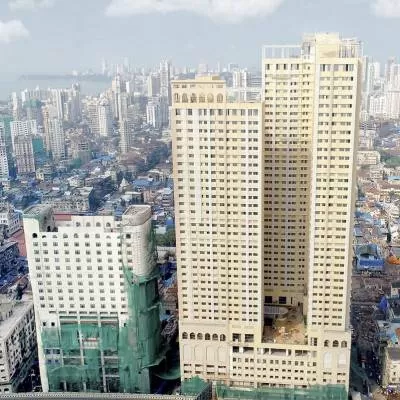
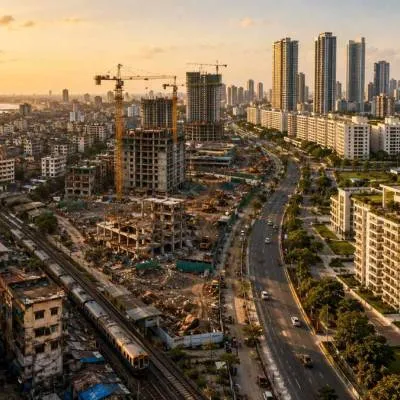
MahaRERA is attempting to resurrect over 2,800 delayed and expired housing projects in the state, totaling Rs 786.84 billion. The Maharashtra Real Estate Regulatory Authority (MahaRERA) is working with a specialised team to uncover the issues that are causing projects to be stopped or expired in order to discover solutions for their resurrection. To investigate blocked and expired projects, MahaRERA has established a special vertical managed by retired IAS officer Sanjay Deshmukh, as per reports. The first part of the exercise will analyse 2,809 expired projects for their construction phase. MahaRERA has divided the building process into three categories: 0 to 30 percent, 30 to 60 per cent, and 60 to 90 per cent, and has worked with developer bodies to discover builders who are registered with them in order to assure the revival and completion of projects.

MahaRERA is attempting to resurrect over 2,800 delayed and expired housing projects in the state, totaling Rs 786.84 billion. The Maharashtra Real Estate Regulatory Authority (MahaRERA) is working with a specialised team to uncover the issues that are causing projects to be stopped or expired in order to discover solutions for their resurrection. To investigate blocked and expired projects, MahaRERA has established a special vertical managed by retired IAS officer Sanjay Deshmukh, as per reports. The first part of the exercise will analyse 2,809 expired projects for their construction phase. MahaRERA has divided the building process into three categories: 0 to 30 percent, 30 to 60 per cent, and 60 to 90 per cent, and has worked with developer bodies to discover builders who are registered with them in order to assure the revival and completion of projects.

Related Stories

Gold Stories
Next Story
Infrastructure Urban

When the Clause Bars Damages

In large-scale infrastructure and construction projects, delays are often an inevitable reality. To shield themselves from financial liabilities arising out of project prolongations, employers – particularly government entities and public-sector undertakings (PSUs) – frequently incorporate standard ‘No Damage for Delay’ or ‘No Liability’ clauses. These clauses aim to restrict the contractor's remedy solely to an extension of time (EOT), barring any monetary claims for extra overheads, idling costs or lost profits.Origin and relevanceUnderstanding the nature, enforceability and judi..

Next Story
Infrastructure Urban

We must become equally good at making cities liveable

India’s cities are growing rapidly but the focus must now shift from building more to creating better places to live. Suresh Babu, Organising Secretary, National Convention of Architectural Engineers, discusses the need for integrated, inclusive and people-centric urban development, and the role of technology and architectural engineering in shaping future cities.What is the central idea behind the convention?India aspires to become a developed nation by 2047 and cities will be central to that transformation. But development cannot be measured only by taller buildings, wider roads or larger ..

Next Story
Infrastructure Urban

Insurance is not a cost; it is protection for the balance sheet

As infrastructure projects grow larger and more complex, their risk profiles are evolving beyond physical damage. Underinsurance, business interruption, supply-chain disruptions, climate volatility, surety and transactional exposures can all have significant financial consequences. Mohan Agrawal, Director and Business Lead - Construction, Infra & Warehousing, EDME Insurance Brokers, discusses these emerging risks and the gaps in conventional insurance practices in a conversation with KAVITA PARAB, CW. He explains why infrastructure players need to view insurance not merely as a cost, but a..

Advertisement

Subscribe to Our Newsletter

Get daily newsletters around different themes from Construction world.

STAY CONNECTED

Advertisement

SPECIAL OFFER
QR Code