Premium living to continue to be in demand in 2024
Real Estate

Premium living to continue to be in demand in 2024

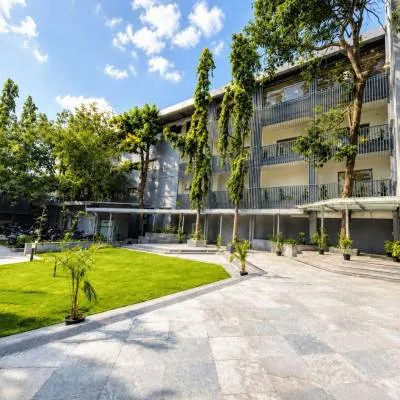
In the lingering aftermath of a remarkable 2023, India's real estate sector is poised for another year of prosperity in 2024. Fuelled by robust economic performance, the momentum gained in the preceding year is expected to usher in a new era of growth and dynamism. And the consumers want some X-factor to be added to their living space. Be it aesthetically, technologically, or facility-wise or all of them put together.

A mere few years ago, what was once considered idealistic requirements for affluent living were now integral components in defining the standard lifestyle. The Indian real estate landscape witnessed an extraordinary surge, with residential and commercial segments experiencing unprecedented advancements in the past year. Particularly noteworthy was the surging demand for premium and an overall luxury living experience, especially in metropolitan or Tier-1 cities.

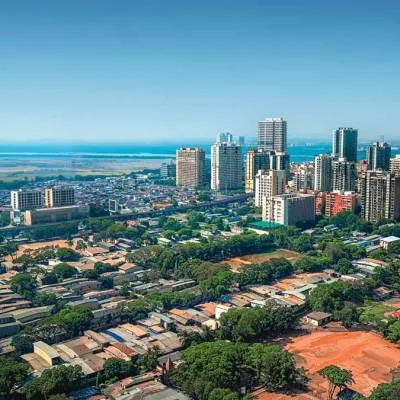
The Delhi-NCR region emerged as a leader in this surge, boasting a staggering 216% increase in premium housing sales. This surge was attributed to improved economic indicators and increased investments by Non-Resident Indians (NRIs). As strategic expansions into Tier-2 and Tier-3 cities unfolded, the sector's adaptability shone through, marked by the acquisition of 1,461 acres for residential developments.

As India's real estate sector embarks on its journey into 2024, the stage is set for continued growth and prosperity. According to Euromonitor International, India's premium housing market is expected to surge to Rs 82,186 crore by 2027, a substantial increase from Rs 53,561 crore in 2022. Reports from various agencies underscore the growth potential, suggesting that India's premium real-estate market could expand to 3.5 times its current size by 2030, summing up to gradual growth in the upcoming years.

The premium segment took center stage in 2023, reflecting a discerning preference for spacious apartments and lifestyle statements. High-end transactions in the comfort living sector are expected to persist, mirroring the ongoing demand for spacious and magnificent residences. Affluent Indians exhibit a noticeable fear of missing out (FOMO) when it comes to acquiring the most sought-after options before others do. Developers attuned to changing buyer preferences are well-positioned to capitalize on India's allure as a global investment destination.

For the next year, one of the key projections is the exploration of untapped growth areas by developers, introducing dynamism into the real estate landscape and revealing new investment opportunities. Cities in the National Capital Region, including Gurugram, are recommended as key investor hotspots for 2024, particularly in the premium housing sector. Several trends gained momentum in the past year, laying the foundation for an exciting and transformative 2024. Among these trends is the increasing prominence of virtual and augmented reality in real estate marketing.

While the use of virtual and augmented reality is not new, its importance is expected to escalate in 2024. With advancing technology, prospective buyers and investors increasingly rely on immersive experiences to virtually tour properties from the comfort of their homes. Practices such as virtual staging, 3D property walkthroughs, and augmented reality-enhanced property previews are anticipated to become standard, providing a more engaging and interactive means of showcasing luxury real estate. Simultaneously, the growing awareness of environmental sustainability is influencing real estate developers to integrate eco-friendly features into their projects. These trends reflect the increasing dimensions to the premium segment of living.

As we move forward, the momentum from 2023 is expected to continue into 2024, driven by strong economic performance. The luxury segment will take center stage, with a preference for spacious apartments and lifestyle statements. The real estate and luxury marketing landscape is on the brink of transformation, and professionals who embrace and adapt to these trends will find themselves well-positioned to thrive in a rapidly evolving market.

Authored by Dr. Dharmesh Shah, CEO, Hero Realty

In the lingering aftermath of a remarkable 2023, India's real estate sector is poised for another year of prosperity in 2024. Fuelled by robust economic performance, the momentum gained in the preceding year is expected to usher in a new era of growth and dynamism. And the consumers want some X-factor to be added to their living space. Be it aesthetically, technologically, or facility-wise or all of them put together. A mere few years ago, what was once considered idealistic requirements for affluent living were now integral components in defining the standard lifestyle. The Indian real estate landscape witnessed an extraordinary surge, with residential and commercial segments experiencing unprecedented advancements in the past year. Particularly noteworthy was the surging demand for premium and an overall luxury living experience, especially in metropolitan or Tier-1 cities. The Delhi-NCR region emerged as a leader in this surge, boasting a staggering 216% increase in premium housing sales. This surge was attributed to improved economic indicators and increased investments by Non-Resident Indians (NRIs). As strategic expansions into Tier-2 and Tier-3 cities unfolded, the sector's adaptability shone through, marked by the acquisition of 1,461 acres for residential developments. As India's real estate sector embarks on its journey into 2024, the stage is set for continued growth and prosperity. According to Euromonitor International, India's premium housing market is expected to surge to Rs 82,186 crore by 2027, a substantial increase from Rs 53,561 crore in 2022. Reports from various agencies underscore the growth potential, suggesting that India's premium real-estate market could expand to 3.5 times its current size by 2030, summing up to gradual growth in the upcoming years. The premium segment took center stage in 2023, reflecting a discerning preference for spacious apartments and lifestyle statements. High-end transactions in the comfort living sector are expected to persist, mirroring the ongoing demand for spacious and magnificent residences. Affluent Indians exhibit a noticeable fear of missing out (FOMO) when it comes to acquiring the most sought-after options before others do. Developers attuned to changing buyer preferences are well-positioned to capitalize on India's allure as a global investment destination. For the next year, one of the key projections is the exploration of untapped growth areas by developers, introducing dynamism into the real estate landscape and revealing new investment opportunities. Cities in the National Capital Region, including Gurugram, are recommended as key investor hotspots for 2024, particularly in the premium housing sector. Several trends gained momentum in the past year, laying the foundation for an exciting and transformative 2024. Among these trends is the increasing prominence of virtual and augmented reality in real estate marketing. While the use of virtual and augmented reality is not new, its importance is expected to escalate in 2024. With advancing technology, prospective buyers and investors increasingly rely on immersive experiences to virtually tour properties from the comfort of their homes. Practices such as virtual staging, 3D property walkthroughs, and augmented reality-enhanced property previews are anticipated to become standard, providing a more engaging and interactive means of showcasing luxury real estate. Simultaneously, the growing awareness of environmental sustainability is influencing real estate developers to integrate eco-friendly features into their projects. These trends reflect the increasing dimensions to the premium segment of living. As we move forward, the momentum from 2023 is expected to continue into 2024, driven by strong economic performance. The luxury segment will take center stage, with a preference for spacious apartments and lifestyle statements. The real estate and luxury marketing landscape is on the brink of transformation, and professionals who embrace and adapt to these trends will find themselves well-positioned to thrive in a rapidly evolving market. Authored by Dr. Dharmesh Shah, CEO, Hero Realty

Next Story
Resources

ULCCS Showcases Cooperative Model at UN Symposium

Uralungal Labour Contract Co-operative Society (ULCCS) showcased its community-led development model at the United Nations Headquarters in New York, where it participated as a panellist at the International Symposium on Cooperative Financial Institutions held on 28–29 May 2026.Jointly organised by the United Nations Department of Economic and Social Affairs (UN DESA), the International Cooperative Banking Association (ICBA), and the International Cooperative Alliance (ICA), the symposium was held under the theme ‘Fuelling Inclusive and Equitable Growth’ and brought together policymakers,..

Next Story
Infrastructure Transport

Delhi Airport to Finalise 20-Year Master Plan

Delhi International Airport Ltd (DIAL) is finalising a 20-year master plan to guide long term infrastructure and operational development at Indira Gandhi International Airport, an official said. The operator expects the plan to reflect changes in the airline industry, shifts in the competitive landscape and evolving infrastructure requirements across terminals, airside and support services. The official said the document is likely to be ready in the next two to two-and-a-half months as the operator moves through planning stages. The plan will be prepared after consultations with airport users ..

Next Story
Real Estate

Aadhar Housing Finance Targets Rs 500 bn AUM By FY29

Aadhar Housing Finance has set a target to raise its asset under management to Rs 500 billion (bn) by the end of FY29, aiming to achieve this over the next three financial years through an 18-20 per cent loan growth trajectory. The firm focuses on the low-income segment with a ticket size of less than Rs 1.5 million (mn) and has relied on that segment to drive expansion. The company closed FY26 with an AUM of Rs 305.71 bn, reflecting the expansion in recent years, and it reported a net profit rise of 22 per cent to Rs 11.08 bn. Management indicated that gross non-performing assets stood at 1.0..

Advertisement

Subscribe to Our Newsletter

Get daily newsletters around different themes from Construction world.

STAY CONNECTED

Advertisement

Advertisement

Advertisement