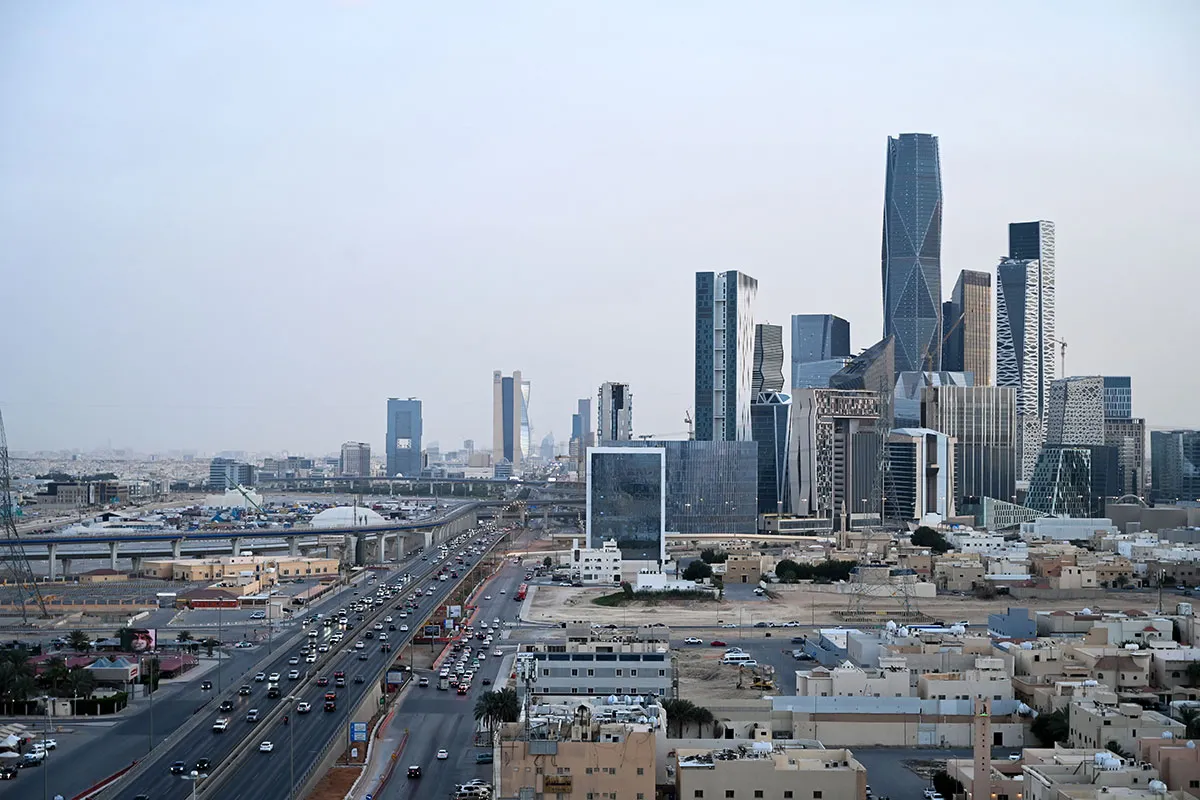





Saudi CMA Seeks Feedback on Real Estate Ownership Rules
Real Estate

Saudi CMA Seeks Feedback on Real Estate Ownership Rules

Capital Market Authority has launched a public consultation on proposed rules governing real estate ownership by listed companies, investment funds and special purpose entities, including properties located in the holy cities of Makkah and Madinah.

The regulator has invited market participants and other interested stakeholders to submit comments on the draft controls during a 15-day consultation period, which will close on January 14, 2026.

The proposed framework seeks to regulate how listed companies established under the Companies Law, licensed investment funds and special purpose entities acquire and hold real estate and other in-kind property rights within the Kingdom. This includes assets located in Makkah and Madinah.

According to the CMA, the draft controls aim to enhance capital market efficiency, improve investor appeal and strengthen Saudi Arabia’s regional and global competitiveness. The proposals clearly define the categories of listed companies, funds and entities subject to the rules and outline conditions governing ownership by non-Saudi investors, whether individuals or legal entities, along with specified ownership limits.

The draft also regulates ownership of units in investment funds that invest part or all of their assets in real estate within the Kingdom, including in the two holy cities. In addition, it governs non-operational ownership of real estate in Makkah and Madinah by listed companies, subject to previously established conditions. These include a requirement that foreign strategic investors must not hold shares or convertible debt instruments in the listed company at any time.

The CMA clarified that the proposed controls do not alter existing regulatory obligations for foreign investors, listed companies, investment funds, special purpose entities or capital market institutions under current laws and regulations. These include the Law of Real Estate Ownership and Investment by Non-Saudis and its implementing rules, regardless of whether entities are operational or in liquidation.

The authority said the approach ensures regulatory consistency and clarity, while building on existing frameworks governing non-Saudi ownership of real estate. The proposals align with the new Non-Saudi Real Estate Ownership Law, which comes into force at the start of 2026 and empowers the CMA to issue such controls.

Once finalised, the CMA said the measures are expected to stimulate investment, increase international participation and support foreign capital inflows into Saudi Arabia’s capital markets, while accelerating growth in the real estate sector in line with national development objectives.

Capital Market Authority has launched a public consultation on proposed rules governing real estate ownership by listed companies, investment funds and special purpose entities, including properties located in the holy cities of Makkah and Madinah. The regulator has invited market participants and other interested stakeholders to submit comments on the draft controls during a 15-day consultation period, which will close on January 14, 2026. The proposed framework seeks to regulate how listed companies established under the Companies Law, licensed investment funds and special purpose entities acquire and hold real estate and other in-kind property rights within the Kingdom. This includes assets located in Makkah and Madinah. According to the CMA, the draft controls aim to enhance capital market efficiency, improve investor appeal and strengthen Saudi Arabia’s regional and global competitiveness. The proposals clearly define the categories of listed companies, funds and entities subject to the rules and outline conditions governing ownership by non-Saudi investors, whether individuals or legal entities, along with specified ownership limits. The draft also regulates ownership of units in investment funds that invest part or all of their assets in real estate within the Kingdom, including in the two holy cities. In addition, it governs non-operational ownership of real estate in Makkah and Madinah by listed companies, subject to previously established conditions. These include a requirement that foreign strategic investors must not hold shares or convertible debt instruments in the listed company at any time. The CMA clarified that the proposed controls do not alter existing regulatory obligations for foreign investors, listed companies, investment funds, special purpose entities or capital market institutions under current laws and regulations. These include the Law of Real Estate Ownership and Investment by Non-Saudis and its implementing rules, regardless of whether entities are operational or in liquidation. The authority said the approach ensures regulatory consistency and clarity, while building on existing frameworks governing non-Saudi ownership of real estate. The proposals align with the new Non-Saudi Real Estate Ownership Law, which comes into force at the start of 2026 and empowers the CMA to issue such controls. Once finalised, the CMA said the measures are expected to stimulate investment, increase international participation and support foreign capital inflows into Saudi Arabia’s capital markets, while accelerating growth in the real estate sector in line with national development objectives.

Next Story
Infrastructure Urban

9th India–Myanmar Joint Trade Committee Meeting Held in Nay Pyi Taw

The ninth meeting of the India–Myanmar Joint Trade Committee (JTC) was held in Nay Pyi Taw, Myanmar, with a focus on strengthening bilateral trade and deepening economic cooperation. The meeting was co-chaired by U Minn Minn, Deputy Minister, Ministry of Commerce of the Republic of the Union of Myanmar, and Nitin Kumar Yadav, Additional Secretary, Department of Commerce, Ministry of Commerce and Industry, Government of India.Representatives from relevant ministries and stakeholder departments from both countries participated in the discussions. The meeting covered a broad range of issues aim..

Next Story
Infrastructure Urban

DGCA Launches Digital Pilot Licence Services for ATPL

The Directorate General of Civil Aviation (DGCA) has launched Electronic Personnel Licence (EPL) services for the Airline Transport Pilot Licence (ATPL), marking a significant step in the regulator’s ongoing digital transformation of aviation licensing in India. The service was inaugurated at an event held at the DGCA headquarters.Inaugurating the EPL ATPL service, Director General of Civil Aviation Faiz Ahmed Kidwai said the initiative represents a major advancement in strengthening India’s civil aviation regulatory framework through secure, modern and future-ready digital systems. He con..

Next Story
Infrastructure Urban

Cabinet Extends Atal Pension Yojana and Support Till 2030–31

The Union Cabinet, chaired by Prime Minister Narendra Modi, has approved the continuation of the Atal Pension Yojana (APY) up to the financial year 2030–31, along with the extension of government funding support for promotional and developmental activities and gap funding to ensure the scheme’s long-term sustainability.Under the approved framework, APY will continue to receive government support aimed at expanding its reach among unorganised and low-income workers. This includes funding for awareness campaigns, capacity-building initiatives and other developmental activities to strengthen ..

Advertisement

Subscribe to Our Newsletter

Get daily newsletters around different themes from Construction world.

STAY CONNECTED

Advertisement

Advertisement

Advertisement

Advertisement

Open In App