


+
Senior Living, Commercial Realty Drive Growth Outlook
Real Estate

Senior Living, Commercial Realty Drive Growth Outlook

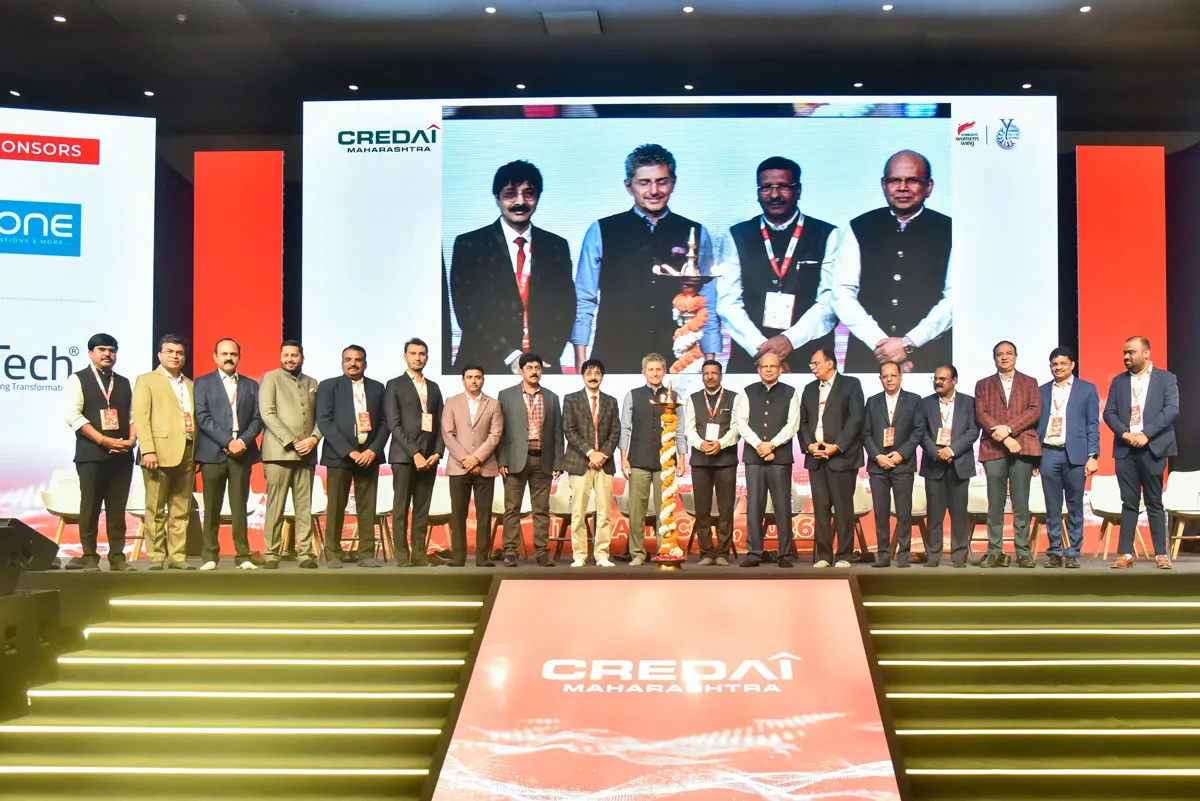
Senior living and commercial real estate emerged as key long-term growth drivers at the 11th Edition of MahaCON, CREDAI Maharashtra’s flagship conclave. Industry leaders projected the senior living market to reach $36 billion by 2050, while commercial real estate is expected to grow to $1.43 trillion by 2035.
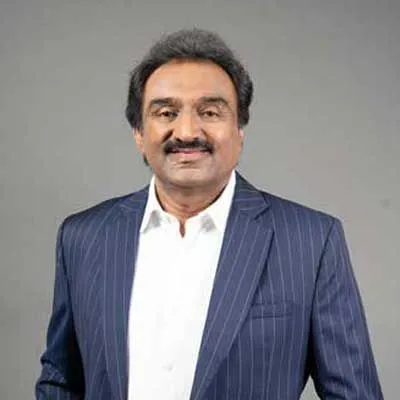
Boman Irani, Chairman, CREDAI and CMD, Rustomjee Group, noted that Indian real estate has grown 130 per cent over the past decade and is on track to become a ₹10 lakh crore sector in the next 10 years. He emphasised the need to prioritise specialised segments such as senior living and called for stronger collaboration between academia, including IITs, and industry to drive technology adoption and skill enhancement. He also stressed leveraging AI and data for improved transparency and efficiency across planning, sales and finance.
At the session “RE Vision 2035”, Satish Magar highlighted the impact of infrastructure and connectivity on Maharashtra’s urban landscape. Structured finance in Tier 2 and Tier 3 cities was also discussed, with SME IPOs worth ₹12,200 crore in 2025 compared to ₹9,500 crore in 2024, signalling increased capital flow into emerging markets.
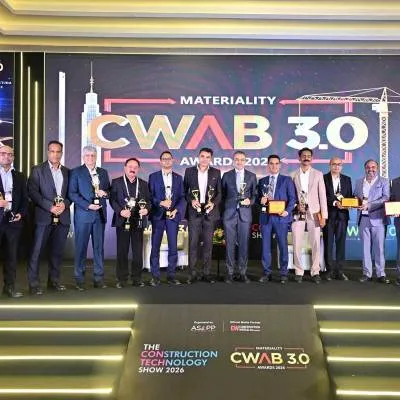
The conclave, themed “Being the Lighthouse”, brought together over 500 stakeholders to chart the sector’s next phase of growth.

Senior living and commercial real estate emerged as key long-term growth drivers at the 11th Edition of MahaCON, CREDAI Maharashtra’s flagship conclave. Industry leaders projected the senior living market to reach $36 billion by 2050, while commercial real estate is expected to grow to $1.43 trillion by 2035.Boman Irani, Chairman, CREDAI and CMD, Rustomjee Group, noted that Indian real estate has grown 130 per cent over the past decade and is on track to become a ₹10 lakh crore sector in the next 10 years. He emphasised the need to prioritise specialised segments such as senior living and called for stronger collaboration between academia, including IITs, and industry to drive technology adoption and skill enhancement. He also stressed leveraging AI and data for improved transparency and efficiency across planning, sales and finance.At the session “RE Vision 2035”, Satish Magar highlighted the impact of infrastructure and connectivity on Maharashtra’s urban landscape. Structured finance in Tier 2 and Tier 3 cities was also discussed, with SME IPOs worth ₹12,200 crore in 2025 compared to ₹9,500 crore in 2024, signalling increased capital flow into emerging markets.The conclave, themed “Being the Lighthouse”, brought together over 500 stakeholders to chart the sector’s next phase of growth.

Next Story
Infrastructure Urban

Implementation Status of Jal Jeevan Mission

Since August 2019 the Government has implemented Jal Jeevan Mission to provide assured potable water through household tap connections in rural India. At the start of the mission only 32.3 million (mn) rural households, representing 16.7 per cent, were reported to have tap water connections. States and union territories have reported that 125.8 mn additional rural households have since been provided with tap connections. As a result, of about 193.6 mn rural households roughly 158.2 mn, or 81.71 per cent, are reported to have tap water supply at home.\n\nThe State, district and village level st..

Next Story
Infrastructure Urban

Jal Jeevan Mission Reaches Eighty One Per Cent Rural Coverage

The Government reported substantial progress under the Jal Jeevan Mission, launched in August 2019 to provide tap water to every rural household. At launch only 32.3 million (mn) rural households had tap connections and states and Union territories reported provision of 125.8 mn additional households by March 2026. Consequently, out of about 193.6 mn rural households around 158.2 mn, or 81.71 per cent, are reported to have tap water at home. The Finance Minister announced extension of the mission until 2028 in the 2025-26 budget speech. The Swachh Bharat Mission Grameen, launched in October 20..

Next Story
Infrastructure Urban

Empowering Local Governance for Sustainable Rural Water Supply

The Ministry of Jal Shakti has aligned the Jal Jeevan Mission (JJM) with the 73rd Amendment to strengthen village level planning and community ownership of water supply. Gram Panchayats, village water and sanitation committees and Pani Samitis are to plan, implement, manage and maintain piped water systems, with gram sabha processes formalising handover and oversight. Implementation support agencies including non government organisations, community based organisations and self help groups have been empanelled to train local committees and promote women participation. Under JJM, the department ..

Advertisement

Subscribe to Our Newsletter

Get daily newsletters around different themes from Construction world.

STAY CONNECTED

Advertisement

Advertisement

Advertisement