+
Heavy Industries Officials Join Seva Sankalp Pledge Ceremony
ECONOMY & POLICY

Heavy Industries Officials Join Seva Sankalp Pledge Ceremony

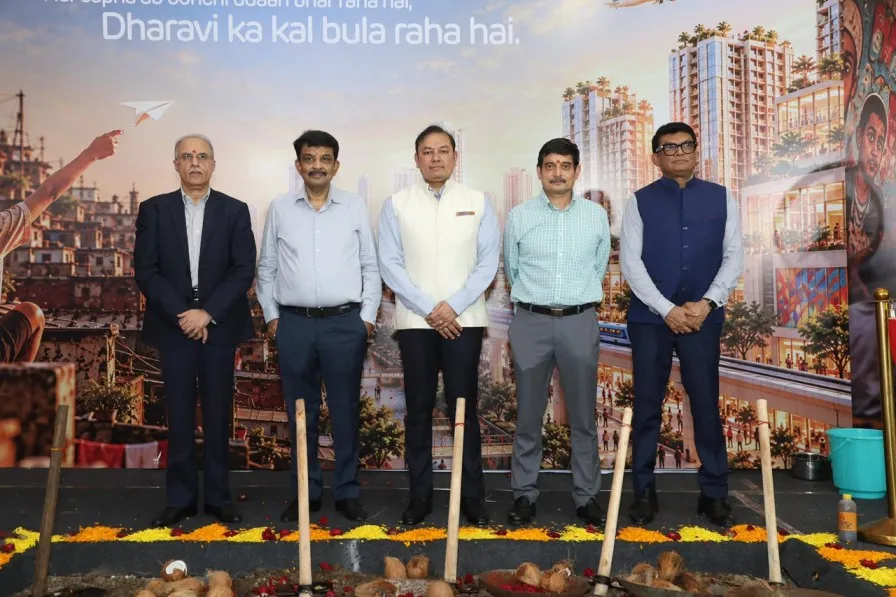
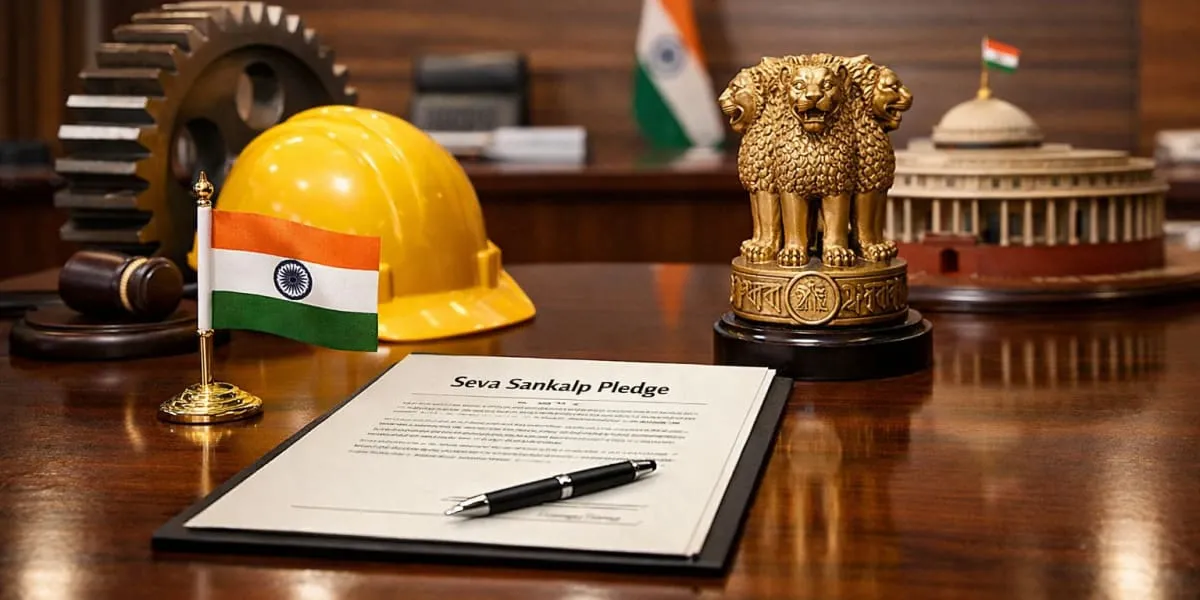
Senior officials of the Ministry of Heavy Industries (MHI), led by Secretary Kamran Rizvi, participated in the Seva Sankalp pledge-taking ceremony on the occasion of the first meeting of the Union Cabinet at the Prime Minister's new office, Seva Teerth. The event brought together ministry leadership and senior staff in a formal reaffirmation of service commitments. The participation formed part of a broader official observance of the new premises of government work.

The first Cabinet meeting at Seva Teerth was described as a significant milestone in the country's governance and was presented as reinforcing collective resolve that sound policy, honest intent and decisive leadership will guide nation-building. Officials said the Seva Sankalp pledge was intended to embed a work culture focused on service and accountability across ministries. The ceremony was positioned as a symbolic start to operations in the new facility.

The site of Seva Teerth was recalled as formerly hosting temporary barracks dating to the British era and its conversion into a centre of national governance was presented as emblematic of renewal and progress. Officials characterised the transformation as reflecting the aspirations of a modern and self-reliant India. The narrative linked physical renewal to broader aims of administrative modernisation.

The Union Cabinet reiterated its solemn resolve that every decision will be guided by an unwavering spirit of service to one point four billion citizens (1.4 bn) and aligned with inclusive development objectives. The government indicated the new premises would serve as a centre for sensitive, accountable and citizen-centric governance. The meeting underlined the stated aim of advancing national prosperity by 2047.

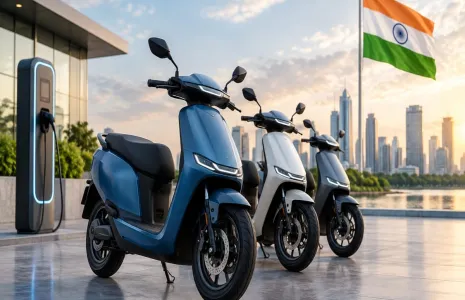
The Ministry of Heavy Industries reaffirmed its commitment to the national vision and outlined continued focus on strengthening India's manufacturing ecosystem, promoting advanced technologies, supporting sustainable industrial growth and accelerating the transition to clean and green mobility. The secretary stated that the ministry would pursue focused policy interventions and industry collaboration to build a self-reliant and globally competitive industrial base. Officials indicated that these measures are intended to contribute to the realisation of Viksit Bharat 2047.

Senior officials of the Ministry of Heavy Industries (MHI), led by Secretary Kamran Rizvi, participated in the Seva Sankalp pledge-taking ceremony on the occasion of the first meeting of the Union Cabinet at the Prime Minister's new office, Seva Teerth. The event brought together ministry leadership and senior staff in a formal reaffirmation of service commitments. The participation formed part of a broader official observance of the new premises of government work. The first Cabinet meeting at Seva Teerth was described as a significant milestone in the country's governance and was presented as reinforcing collective resolve that sound policy, honest intent and decisive leadership will guide nation-building. Officials said the Seva Sankalp pledge was intended to embed a work culture focused on service and accountability across ministries. The ceremony was positioned as a symbolic start to operations in the new facility. The site of Seva Teerth was recalled as formerly hosting temporary barracks dating to the British era and its conversion into a centre of national governance was presented as emblematic of renewal and progress. Officials characterised the transformation as reflecting the aspirations of a modern and self-reliant India. The narrative linked physical renewal to broader aims of administrative modernisation. The Union Cabinet reiterated its solemn resolve that every decision will be guided by an unwavering spirit of service to one point four billion citizens (1.4 bn) and aligned with inclusive development objectives. The government indicated the new premises would serve as a centre for sensitive, accountable and citizen-centric governance. The meeting underlined the stated aim of advancing national prosperity by 2047. The Ministry of Heavy Industries reaffirmed its commitment to the national vision and outlined continued focus on strengthening India's manufacturing ecosystem, promoting advanced technologies, supporting sustainable industrial growth and accelerating the transition to clean and green mobility. The secretary stated that the ministry would pursue focused policy interventions and industry collaboration to build a self-reliant and globally competitive industrial base. Officials indicated that these measures are intended to contribute to the realisation of Viksit Bharat 2047.

Related Stories

Gold Stories

Next Story
Infrastructure Urban

Infrastructure Opportunity Outlook by IMPACCT.Info

India’s infrastructure pipeline is witnessing dynamic activity across stages — from immediate bidding to future planning. IMPACCT segments these into three categories: Immediate, 3–6 Month, and Future Opportunities, enabling businesses to identify, prepare, and participate in high-value tenders and projects across sectors.To read full article Click Here ..

Next Story
Real Estate

Glass, Reframed!

Glass façades, quintessential aesthetic building envelopes globally, have been widely adopted in India as well. But when the focus is high-performance building systems that deliver energy efficiency, comfort and architectural identity, glass isn’t the only preference. Combination solutions, involving glass and some other material, improve façade outcomes. Some combinations come at comparable prices, some at a higher price. Here is a selection of performance-oriented solutions...To read the full story Click Here ..

Next Story
Infrastructure Urban

Beyond Building Faster

India’s cities are expanding at an unprecedented pace, bringing new infrastructure and development opportunities while also intensifying challenges around mobility, public spaces, liveability and supporting infrastructure. The question, therefore, is not simply whether India can build faster, but whether it can build cities that work better.At a CW webinar, Are We Designing Better Cities – or Just Building Faster?, moderator Ar. Samir Shaikh, Founding Principal, AR&UD Studio, brought together perspectives from design, development, master planning and technology...To read the full artic..

Advertisement

Subscribe to Our Newsletter

Get daily newsletters around different themes from Construction world.

STAY CONNECTED

Advertisement

SPECIAL OFFER
QR Code