


Building world’s largest cricket stadium
Technology

Building world’s largest cricket stadium

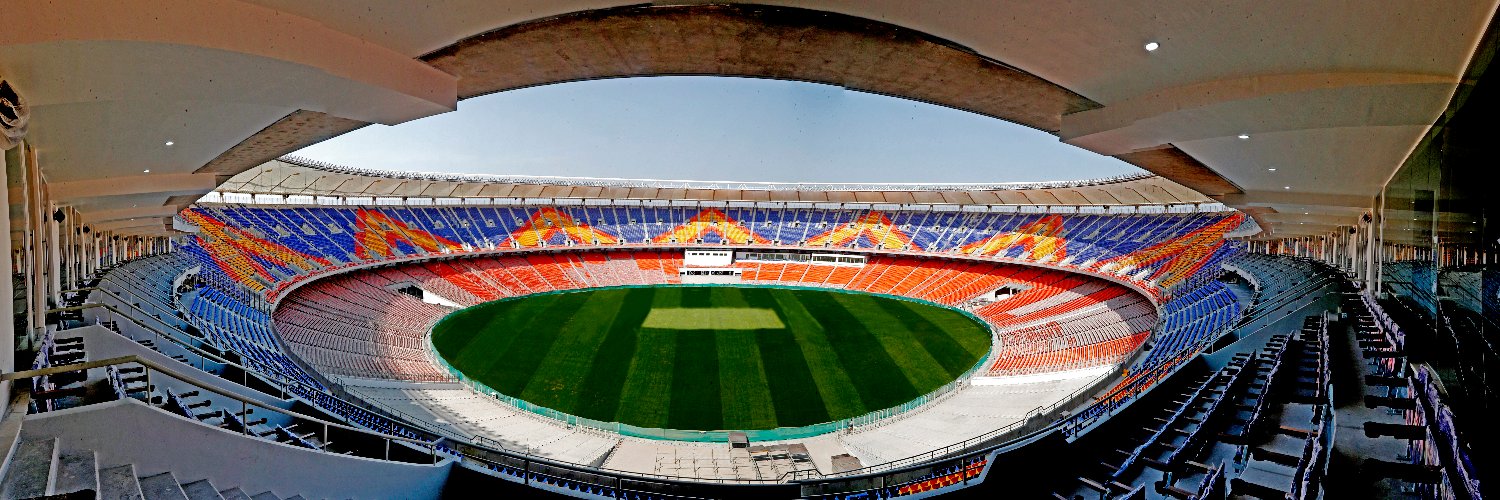
The Motera stadium, recently named after Prime Minister Narendra Modi, was constructed by L&T Construction, the construction arm of L&T, the stadium was completed in four years, including demolishing the previous stadium at the same site.

The project involved the erection of over 9,000 precast elements, including some of the heaviest, weighing up to 285 mt. The stadium's entire superstructure is made up of huge, unequally shaped 'Y' columns that are 30 m in height, 2.7 m in width and weighing some 285 tonne that were all pre cast as one piece transported and erected at an extremely logistically challenged project site.

Designed by the globally renowned architect, Populous, the Motera Stadium boasts of several unique aspects such as clusters of LED lights carefully positioned on the roof to avoid the multiple shadows of players on the pitch and an efficient drainage system. It is also a water and energy efficient green construction. The world's largest cricket stadium has a seating capacity of 110,000. The roof has about 1,000 m perimeter length, 10.5 m height truss, 30 m cantilever, and is provided at an elevation of about 40 m from ground level.

Image: As of February 24, the Motera stadium has been officially renamed as the Narendra Modi stadium. 


The Motera stadium, recently named after Prime Minister Narendra Modi, was constructed by L&T Construction, the construction arm of L&T, the stadium was completed in four years, including demolishing the previous stadium at the same site. The project involved the erection of over 9,000 precast elements, including some of the heaviest, weighing up to 285 mt. The stadium's entire superstructure is made up of huge, unequally shaped 'Y' columns that are 30 m in height, 2.7 m in width and weighing some 285 tonne that were all pre cast as one piece transported and erected at an extremely logistically challenged project site. Designed by the globally renowned architect, Populous, the Motera Stadium boasts of several unique aspects such as clusters of LED lights carefully positioned on the roof to avoid the multiple shadows of players on the pitch and an efficient drainage system. It is also a water and energy efficient green construction. The world's largest cricket stadium has a seating capacity of 110,000. The roof has about 1,000 m perimeter length, 10.5 m height truss, 30 m cantilever, and is provided at an elevation of about 40 m from ground level.Image: As of February 24, the Motera stadium has been officially renamed as the Narendra Modi stadium. 

Next Story
Infrastructure Urban

Panasonic Showcases Connected Display Solutions

Panasonic Life Solutions India showcased its integrated display, projection, broadcast and communication technologies at Panasonic Tech Summit 2026 in New Delhi. Hosted through its System Solutions Division, the two-day event highlighted connected technology solutions for education, healthcare, retail, transportation, corporate offices and entertainment.The summit, themed ‘Turning Technology into Value’, featured experience-led zones covering QSR, retail, transit, corporate offices, healthcare, education, security, projection, home theatre and professional displays. Panasonic also introduc..

Next Story
Infrastructure Transport

Kapsch to Deliver India’s First C-ITS Project

"Kapsch TrafficCom will deliver India’s first Cooperative Intelligent Transport Systems project on a key expressway near New Delhi. The project will be implemented with Superwave Communication And Infrasolution Limited to demonstrate how connected mobility can improve road safety and traffic efficiency.The pilot will use real-time connectivity and AI-enabled situational awareness to support road users, especially in high-risk areas such as temporary work zones. Drivers will receive alerts on roadworks, maintenance vehicles, hazardous locations, traffic queues and temporary virtual signage di..

Next Story
Infrastructure Urban

Eurobond Net Profit Rises 44 Per Cent

Euro Panel Products, the parent company of Eurobond, reported a 44.13 per cent year-on-year rise in net profit for FY25–26. The company’s revenue from operations grew 18.91 per cent to Rs 503.20 crore, compared to Rs 423.18 crore in the previous financial year.The company’s full-year EBITDA stood at Rs 56.67 crore, marking a 31.82 per cent increase. Profit after tax rose to Rs 26.56 crore, while net worth increased 20.15 per cent to Rs 160.07 crore. Earnings per share for the year stood at Rs 10.84.Divyam Rajesh Shah, Whole Time Director and CFO, Euro Panel Products, said the company’s..

Advertisement

Subscribe to Our Newsletter

Get daily newsletters around different themes from Construction world.

STAY CONNECTED

Advertisement

Advertisement

Advertisement

-->