95% Of Delhi Consumers Pay Bills Digitally
ECONOMY & POLICY

95% Of Delhi Consumers Pay Bills Digitally

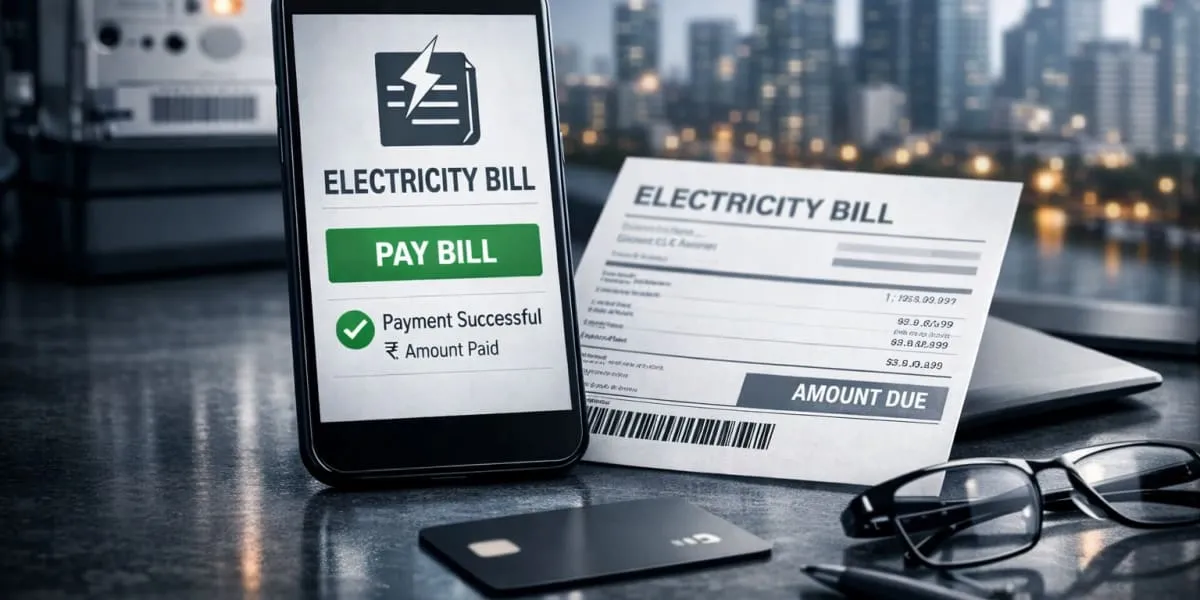
Delhi distribution companies report that 95 per cent of consumers now pay electricity bills digitally, marking a significant shift to contactless payments. The firms BSES Rajdhani Power Limited (BRPL), BSES Yamuna Power Limited and Tata Power Delhi Distribution Limited (TPDDL) attributed the change to expanded self-service options and digital channels. The move was reported as citywide across the areas they supply.

TPDDL said digital payments now cover two point two million (mn) of its consumers and that digital transactions rose from seven point four three million (mn) in 2021-22 to 11 million (mn) in 2025-26. Non-digital transactions declined from one point four eight one million (mn) to zero point eight four six million (mn) over the five-year period. The company presented the shift as evidence of consumer preference for secure and seamless payment methods.

BSES firms reported the digital share rising from 85 per cent in 2021-22 to 93 per cent in 2025-26 and said the rate has moved closer to 95 per cent recently. Digital payment transactions at BSES increased from 11.5 million (mn) in 2021-22 to 17.8 million (mn) in 2025-26, an increase of six point three million (mn) or about 55 per cent. Unique consumers making at least one digital payment grew from one point three seven four million (mn) to two point zero five nine million (mn).

Visits to collection centres fell from two point two nine one million (mn) to one point four four six million (mn) even as total transactions rose from 13.6 million (mn) to 19.1 million (mn). Companies credited customer-focused initiatives such as website and mobile app payments, partner platforms including UPI, cashback and referral programmes and zero-convenience-fee options. Tata Power-DDL also enabled non-energy bill payments via UPI and added QR codes on bills to facilitate quick contactless payments.

Delhi distribution companies report that 95 per cent of consumers now pay electricity bills digitally, marking a significant shift to contactless payments. The firms BSES Rajdhani Power Limited (BRPL), BSES Yamuna Power Limited and Tata Power Delhi Distribution Limited (TPDDL) attributed the change to expanded self-service options and digital channels. The move was reported as citywide across the areas they supply. TPDDL said digital payments now cover two point two million (mn) of its consumers and that digital transactions rose from seven point four three million (mn) in 2021-22 to 11 million (mn) in 2025-26. Non-digital transactions declined from one point four eight one million (mn) to zero point eight four six million (mn) over the five-year period. The company presented the shift as evidence of consumer preference for secure and seamless payment methods. BSES firms reported the digital share rising from 85 per cent in 2021-22 to 93 per cent in 2025-26 and said the rate has moved closer to 95 per cent recently. Digital payment transactions at BSES increased from 11.5 million (mn) in 2021-22 to 17.8 million (mn) in 2025-26, an increase of six point three million (mn) or about 55 per cent. Unique consumers making at least one digital payment grew from one point three seven four million (mn) to two point zero five nine million (mn). Visits to collection centres fell from two point two nine one million (mn) to one point four four six million (mn) even as total transactions rose from 13.6 million (mn) to 19.1 million (mn). Companies credited customer-focused initiatives such as website and mobile app payments, partner platforms including UPI, cashback and referral programmes and zero-convenience-fee options. Tata Power-DDL also enabled non-energy bill payments via UPI and added QR codes on bills to facilitate quick contactless payments.

Related Stories

Gold Stories

Next Story
Infrastructure Urban

Bengaluru Metro Awards Rs 554.8 mn Travellator Contract

Bengaluru Metro Rail Corporation (BMRCL) has awarded a Rs 55.48 crore (Rs 554.8 million (mn)) contract to Milan Road Buildtech LLP for civil and structural works to install a travellator and a connecting walkway at Central Silk Board. The contract covers design, construction and structural interfaces required to link the two adjacent metro stations. BMRCL authorised the award as part of procurement for infrastructure works on the Phase-2A project. The procurement followed BMRCL's standard tendering and evaluation procedures. The project will connect the Yellow Line Central Silk Board station w..

Next Story
Infrastructure Transport

GMRC Floats Tenders For Ahmedabad Metro RRTS Hybrid Corridors

Gujarat Metro Rail Corporation (GMRC) has floated three tenders for design consultancy services for the Ahmedabad Metro Phase three Metro cum Regional Rapid Transit System (RRTS) hybrid corridor. The procurements cover work on an additional network of 48.38 kilometre (km) to be integrated into the existing metro system. GMRC framed the tenders to secure specialised consultancy for alignment design, systems integration and coordination with RRTS planning. The consultancy scope will support detailed design and interface management for the hybrid corridors. The proposed hybrid routes include Vaki..

Next Story
Infrastructure Transport

Pune Metro Groundwork Starts on Swargate Katraj Underground Line

Construction work has begun on Pune Metro’s underground extension from Swargate to Katraj, with excavation starting at the busy Market Yard station. MLA Madhuri Misal inaugurated the excavation and inspected activities along the corridor. Maha Metro has commenced digging shafts to lower Tunnel Boring Machines (TBMs) into the ground and intends to deploy four TBMs gradually over the next few months. Station building and tunnelling will proceed simultaneously to streamline the schedule. Because the entire line is underground, authorities expect traffic disruption to be minimal and road space w..

Advertisement

Subscribe to Our Newsletter

Get daily newsletters around different themes from Construction world.

STAY CONNECTED

Advertisement