+
GST Council Proposes 5 Per Cent Rate for EV Transport
ECONOMY & POLICY

GST Council Proposes 5 Per Cent Rate for EV Transport

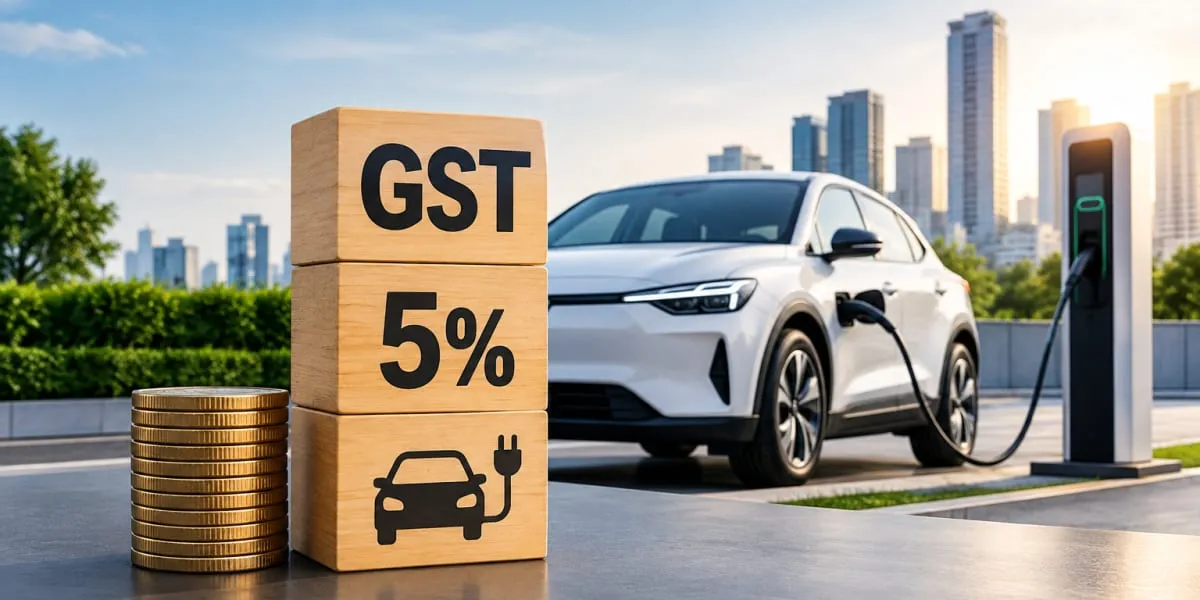
The Goods and Services Tax (GST) Council has recommended an optional 5 per cent GST rate for passenger transport and rental services using electric vehicles (EVs). The proposal is subject to restrictions on input tax credit and seeks to clarify the tax treatment of electric mobility services where battery charging costs are included in the overall price.

The recommendation covers services provided using an EV with an operator. It applies to passenger transport, including eligible commercial operations, and to rental services in which an electric vehicle is supplied along with an operator. The proposed rate would cover the bundled transport or rental service when vehicle charging is included in the total amount charged.

Standalone electric vehicle charging services would remain outside the proposal and continue to attract 18 per cent GST. The distinction means the recommended rate would not apply to every activity connected with electric vehicles, but specifically to qualifying passenger transport and operator-assisted rental services.

The 5 per cent option would restrict input tax credit, which enables businesses to offset GST paid on eligible expenses. Operators choosing the lower rate would therefore be unable to claim back taxes paid on business costs, meaning the reduced rate may not necessarily lower their overall expenses. The recommendation may affect fleet operators, app-based mobility platforms, corporate transport providers and other businesses using EVs for passenger services.

The proposal was considered at the Council’s 57th meeting as electric mobility adoption increases in India. EV retail sales rose 74 per cent year-on-year to a record 333,000 units in September 2026, according to the Federation of Automobile Dealers Associations. The recommendation now provides a proposed framework for taxation of selected EV-based services, while its practical impact will depend on implementation and the final conditions governing eligibility and credit restrictions.

The Goods and Services Tax (GST) Council has recommended an optional 5 per cent GST rate for passenger transport and rental services using electric vehicles (EVs). The proposal is subject to restrictions on input tax credit and seeks to clarify the tax treatment of electric mobility services where battery charging costs are included in the overall price. The recommendation covers services provided using an EV with an operator. It applies to passenger transport, including eligible commercial operations, and to rental services in which an electric vehicle is supplied along with an operator. The proposed rate would cover the bundled transport or rental service when vehicle charging is included in the total amount charged. Standalone electric vehicle charging services would remain outside the proposal and continue to attract 18 per cent GST. The distinction means the recommended rate would not apply to every activity connected with electric vehicles, but specifically to qualifying passenger transport and operator-assisted rental services. The 5 per cent option would restrict input tax credit, which enables businesses to offset GST paid on eligible expenses. Operators choosing the lower rate would therefore be unable to claim back taxes paid on business costs, meaning the reduced rate may not necessarily lower their overall expenses. The recommendation may affect fleet operators, app-based mobility platforms, corporate transport providers and other businesses using EVs for passenger services. The proposal was considered at the Council’s 57th meeting as electric mobility adoption increases in India. EV retail sales rose 74 per cent year-on-year to a record 333,000 units in September 2026, according to the Federation of Automobile Dealers Associations. The recommendation now provides a proposed framework for taxation of selected EV-based services, while its practical impact will depend on implementation and the final conditions governing eligibility and credit restrictions.

Related Stories

Gold Stories

Next Story
Infrastructure Transport

Embraer to Acquire 51 Per Cent Stake in Mahindra Aerospace Arm

Brazilian aerospace major Embraer will acquire a 51 per cent equity stake in Novavayu Aerospace, a step-down subsidiary of Mahindra and Mahindra, under an Investment Agreement notified by the automobile company in an exchange filing. The transaction will give Embraer control of the aerospace business. Following completion of the acquisition, Novavayu Aerospace will cease to be a wholly owned subsidiary and become an associate of Mahindra Defence Systems, which is a step-down wholly owned subsidiary of Mahindra and Mahindra. The agreement is expected to be completed on or before December 1. Mah..

Next Story
Infrastructure Urban

RBI Opens Special Dollar Window for Three State-Run OMCs

The Reserve Bank of India (RBI) has opened a special facility to meet the entire daily US dollar requirements of three public sector oil marketing companies (OMCs), in a move aimed at easing pressure on the Indian rupee. The facility will take effect on October 12, 2026, and remain available until further notice. Indian Oil Corporation, Hindustan Petroleum Corporation and Bharat Petroleum Corporation are eligible to use the arrangement. Under the facility, the RBI will sell US dollars to the three companies through designated banks, allowing them to meet their oil-import payments without sourc..
Next Story
Building Material

Cement Prices Likely to Rise Rs. 10-15 per Bag from Mid-October

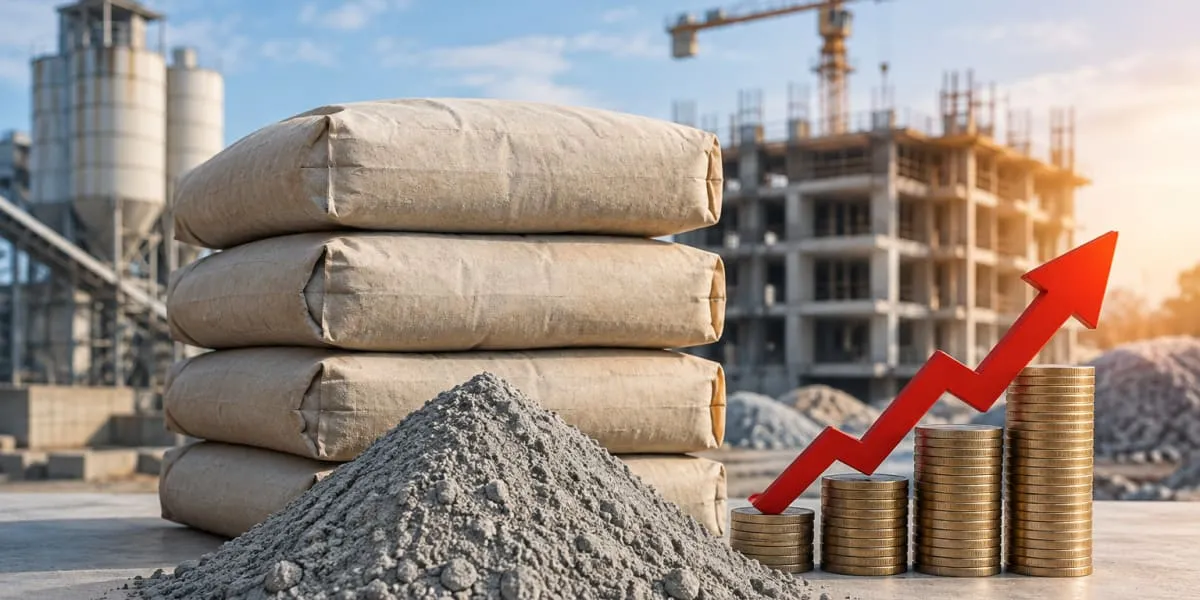
Cement manufacturers in India are likely to raise prices by Rs. 10-15 per bag from mid-October, as they seek to offset persistent increases in power and fuel costs. Emkay Research said its channel checks indicated a high probability of an increase from October 12, supported by the start of the busy construction season and favourable demand-supply conditions. The sector had implemented similar rate adjustments of Rs. 10-15 per bag during the first quarter, but the increases were insufficient to cover higher operating costs. Prices also softened during July and August because of the monsoon, wid..

Advertisement

Subscribe to Our Newsletter

Get daily newsletters around different themes from Construction world.

STAY CONNECTED

Advertisement

SPECIAL OFFER
QR Code