Andhra Cabinet Clears Amaravati Loan, Road Safety Cess
ECONOMY & POLICY

Andhra Cabinet Clears Amaravati Loan, Road Safety Cess

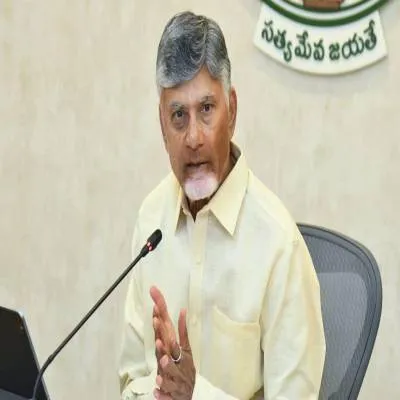
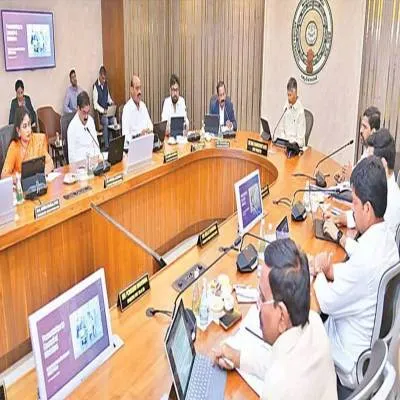
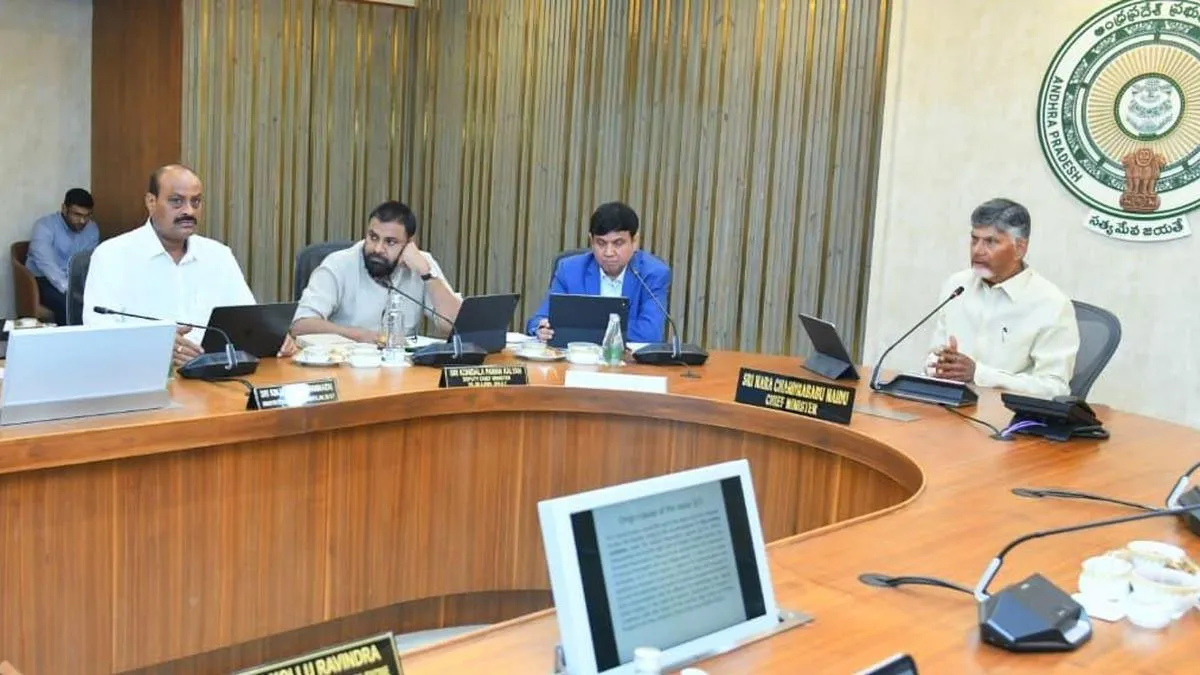
The Andhra Pradesh Government Cabinet, chaired by Chief Minister N. Chandrababu Naidu, has approved a series of major policy decisions covering infrastructure, social welfare, administrative reforms and public services.

Among the key decisions is the approval of a Rs 73.88 billion loan from the National Bank for Agriculture and Rural Development under the NIDA scheme for infrastructure development in Amaravati. The Cabinet also cleared the introduction of a 10 per cent Road Safety Cess on motor vehicles subject to life tax.

Briefing the media, Revenue, Registration and Stamps Minister Anagani Satya Prasad, along with Civil Supplies Minister Nadendla Manohar and Medical and Health Minister Satyakumar, said the Cabinet ratified government orders issued on December 11, 2025, authorising the Andhra Pradesh Capital Region Development Authority Commissioner in Vijayawada to secure the NABARD loan. Subject to a 5 per cent guarantee fee, the funds will be used for critical infrastructure works in Amaravati, with officials empowered to obtain State guarantees, execute loan agreements and complete related documentation to fast-track urban development.

The newly approved Road Safety Cess, introduced through an ordinance amending the Andhra Pradesh Motor Vehicles Taxation Act, 1963, is expected to generate around Rs 0.23 billion per month, or approximately Rs 2.7 billion annually. The proceeds will be channelled to the Andhra Pradesh Road Development Corporation for road upgrades, safety interventions and accident prevention. With about 73,000 new vehicles registered each month and the reduction of GST on motor vehicles from 28 per cent to 18 per cent, the government said the cess will not significantly burden vehicle owners.

On the welfare front, the Cabinet approved a 3.64 per cent increase in Dearness Allowance and Dearness Relief for State government employees and pensioners, effective January 1, 2024. The revision raises DA and DR from 33.67 per cent to 37.31 per cent, with monetary benefits to be reflected from October 2025 salaries, offering relief amid rising living costs.

The Cabinet also endorsed plans to develop Greater Vijayawada and Greater Tirupati as major urban centres. Chief Minister Naidu said 2.18 million ration cards are being distributed by January 9, 2026, after correcting errors and removing outdated photographs. He also assured focused development for Polavaram and said he would personally monitor growth initiatives in Rayachoti.

Medical and Health Minister Satyakumar said that despite fiscal constraints, the government is addressing past mismanagement and strengthening women’s economic empowerment, noting that nearly Rs 3 trillion has been invested in basic infrastructure. He added that new road connectivity is planned between Machilipatnam and Hyderabad’s Future City.

Civil Supplies Minister Nadendla Manohar said unprecedented allocations, including up to Rs 50 billion under the NTR Bharosa scheme, have been earmarked for pensions and welfare programmes, reflecting the government’s commitment to social security and inclusive development.

The Cabinet decisions underscore the State’s focus on balanced regional growth, infrastructure modernisation and citizen-centric governance across Andhra Pradesh.

The Andhra Pradesh Government Cabinet, chaired by Chief Minister N. Chandrababu Naidu, has approved a series of major policy decisions covering infrastructure, social welfare, administrative reforms and public services. Among the key decisions is the approval of a Rs 73.88 billion loan from the National Bank for Agriculture and Rural Development under the NIDA scheme for infrastructure development in Amaravati. The Cabinet also cleared the introduction of a 10 per cent Road Safety Cess on motor vehicles subject to life tax. Briefing the media, Revenue, Registration and Stamps Minister Anagani Satya Prasad, along with Civil Supplies Minister Nadendla Manohar and Medical and Health Minister Satyakumar, said the Cabinet ratified government orders issued on December 11, 2025, authorising the Andhra Pradesh Capital Region Development Authority Commissioner in Vijayawada to secure the NABARD loan. Subject to a 5 per cent guarantee fee, the funds will be used for critical infrastructure works in Amaravati, with officials empowered to obtain State guarantees, execute loan agreements and complete related documentation to fast-track urban development. The newly approved Road Safety Cess, introduced through an ordinance amending the Andhra Pradesh Motor Vehicles Taxation Act, 1963, is expected to generate around Rs 0.23 billion per month, or approximately Rs 2.7 billion annually. The proceeds will be channelled to the Andhra Pradesh Road Development Corporation for road upgrades, safety interventions and accident prevention. With about 73,000 new vehicles registered each month and the reduction of GST on motor vehicles from 28 per cent to 18 per cent, the government said the cess will not significantly burden vehicle owners. On the welfare front, the Cabinet approved a 3.64 per cent increase in Dearness Allowance and Dearness Relief for State government employees and pensioners, effective January 1, 2024. The revision raises DA and DR from 33.67 per cent to 37.31 per cent, with monetary benefits to be reflected from October 2025 salaries, offering relief amid rising living costs. The Cabinet also endorsed plans to develop Greater Vijayawada and Greater Tirupati as major urban centres. Chief Minister Naidu said 2.18 million ration cards are being distributed by January 9, 2026, after correcting errors and removing outdated photographs. He also assured focused development for Polavaram and said he would personally monitor growth initiatives in Rayachoti. Medical and Health Minister Satyakumar said that despite fiscal constraints, the government is addressing past mismanagement and strengthening women’s economic empowerment, noting that nearly Rs 3 trillion has been invested in basic infrastructure. He added that new road connectivity is planned between Machilipatnam and Hyderabad’s Future City. Civil Supplies Minister Nadendla Manohar said unprecedented allocations, including up to Rs 50 billion under the NTR Bharosa scheme, have been earmarked for pensions and welfare programmes, reflecting the government’s commitment to social security and inclusive development. The Cabinet decisions underscore the State’s focus on balanced regional growth, infrastructure modernisation and citizen-centric governance across Andhra Pradesh.

Next Story
Real Estate

AI: The New Recruit

From getting ideas to evaluating designs, presenting concepts to clients and tracking projects, artificial intelligence (AI) is helping architects work better and faster.“AI allows architects to spend more time doing what only they can do: think critically, synthesise complexity and design with intent,” says Dikshu C Kukreja, Managing Principal, CP Kukreja Architects. “Every minute reclaimed from repetitive processes can be invested in creativity, contextual understanding, interdisciplinary collaboration and innovation – the qualities that define meaningful architecture.”To read the ..

Next Story
Real Estate

Redevelopment 2.0

In 2017, Mumbai identified 160,000 ageing buildings due for structural audit. Close to half of these were in the Western Suburbs. Redeveloping the oldest and structurally weakest of these would help unlock new housing, much needed given the city’s growing population density and constant developed area of 437.7 sq km. At 30,600 people per sq km in 2024, Mumbai’s density was almost thrice that of Gurugram, and 60 per cent higher than Bengaluru’s.Essentially, Mumbai’s realty market has demand. It has capital. It has realty development potential.Fast forward to 2026. Mumbai has 1,094 regis..

Next Story
Technology

Cost intelligence will become a strategic contributor to project success

As India's construction industry accelerates its digital transformation, integrated platforms, AI and connected data are becoming essential to improving cost certainty, project efficiency and sustainability. Ravi Kumar, Sales Director – India, RIB Software India, shares how digital workflows are reshaping project planning, commercial management and decision-making across the construction value chain.India's construction sector is embracing digital technologies at an unprecedented pace. From your perspective, what are the biggest shifts driving this transformation and how is RIB Software enab..

Advertisement

Subscribe to Our Newsletter

Get daily newsletters around different themes from Construction world.

STAY CONNECTED

Advertisement

Advertisement

Advertisement