Andhra Pradesh Launches Cluster Drive To Boost MSMEs
ECONOMY & POLICY

Andhra Pradesh Launches Cluster Drive To Boost MSMEs

The Government of Andhra Pradesh on Thursday launched the Andhra Pradesh Cluster Development Programme (APCDP), a flagship initiative aimed at strengthening the competitiveness of micro and small enterprises and doubling the state’s export potential by 2030.

The state has around 1.965 million Udyam-registered MSMEs, more than 99 per cent of which are micro and small enterprises, with nearly 25 per cent engaged in manufacturing. The MSME sector contributes 28.3 per cent of Andhra Pradesh’s total exports, making it the second-largest driver of economic growth after agriculture. While coastal districts account for a higher share of capital-intensive MSMEs and exports, the Rayalaseema region has a greater concentration of labour-intensive micro enterprises.

The APCDP builds on a series of earlier initiatives, including the One Family One Enterprise programme, the creation of 175 MSME Parks—one in each Assembly constituency—and the Private Industrial Parks Policy offering plug-and-play infrastructure.

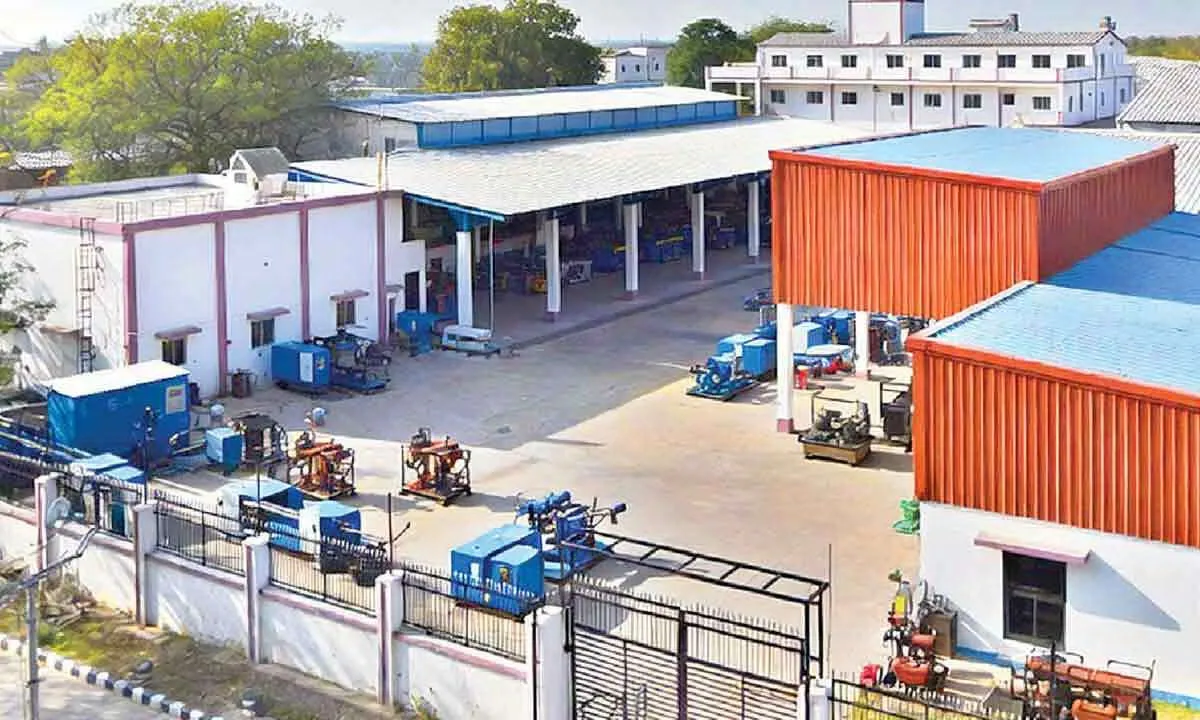
Under the new programme, the state will set up 45 Common Facility Centres across existing MSME clusters to support advanced manufacturing, testing, research and development, packaging and quality certification. The initiative is designed to improve productivity, product quality and energy efficiency through shared infrastructure and technology.

The programme is expected to generate direct employment for around 7,557 people by 2030. Of the 45 clusters, four will be developed in 2025–26, followed by 16 in 2026–27, 15 in 2027–28 and 10 in 2028–29. The total approved budget outlay stands at Rs 2 billion up to 2030.

Project costs will range from Rs 10 million to Rs 50 million and from Rs 50 million to Rs 100 million. The state government will contribute up to 90 per cent of the machinery cost, with the remaining share to be borne by beneficiary units through a special purpose vehicle. The AP MSME Development Corporation will act as the implementing agency.

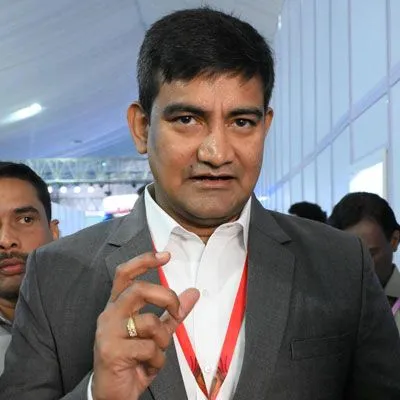
The Chief Minister said the cluster-based approach would allow small manufacturers to collectively access modern technology and infrastructure, helping them improve product quality and scale up for global markets. The MSME minister added that the programme would enable micro and small enterprises to compete with larger industries and significantly expand their presence in domestic and international markets.

The Government of Andhra Pradesh on Thursday launched the Andhra Pradesh Cluster Development Programme (APCDP), a flagship initiative aimed at strengthening the competitiveness of micro and small enterprises and doubling the state’s export potential by 2030. The state has around 1.965 million Udyam-registered MSMEs, more than 99 per cent of which are micro and small enterprises, with nearly 25 per cent engaged in manufacturing. The MSME sector contributes 28.3 per cent of Andhra Pradesh’s total exports, making it the second-largest driver of economic growth after agriculture. While coastal districts account for a higher share of capital-intensive MSMEs and exports, the Rayalaseema region has a greater concentration of labour-intensive micro enterprises. The APCDP builds on a series of earlier initiatives, including the One Family One Enterprise programme, the creation of 175 MSME Parks—one in each Assembly constituency—and the Private Industrial Parks Policy offering plug-and-play infrastructure. Under the new programme, the state will set up 45 Common Facility Centres across existing MSME clusters to support advanced manufacturing, testing, research and development, packaging and quality certification. The initiative is designed to improve productivity, product quality and energy efficiency through shared infrastructure and technology. The programme is expected to generate direct employment for around 7,557 people by 2030. Of the 45 clusters, four will be developed in 2025–26, followed by 16 in 2026–27, 15 in 2027–28 and 10 in 2028–29. The total approved budget outlay stands at Rs 2 billion up to 2030. Project costs will range from Rs 10 million to Rs 50 million and from Rs 50 million to Rs 100 million. The state government will contribute up to 90 per cent of the machinery cost, with the remaining share to be borne by beneficiary units through a special purpose vehicle. The AP MSME Development Corporation will act as the implementing agency. The Chief Minister said the cluster-based approach would allow small manufacturers to collectively access modern technology and infrastructure, helping them improve product quality and scale up for global markets. The MSME minister added that the programme would enable micro and small enterprises to compete with larger industries and significantly expand their presence in domestic and international markets.

Next Story
Infrastructure Urban

Implementation Status of Jal Jeevan Mission

Since August 2019 the Government has implemented Jal Jeevan Mission to provide assured potable water through household tap connections in rural India. At the start of the mission only 32.3 million (mn) rural households, representing 16.7 per cent, were reported to have tap water connections. States and union territories have reported that 125.8 mn additional rural households have since been provided with tap connections. As a result, of about 193.6 mn rural households roughly 158.2 mn, or 81.71 per cent, are reported to have tap water supply at home.\n\nThe State, district and village level st..

Next Story
Infrastructure Urban

Jal Jeevan Mission Reaches Eighty One Per Cent Rural Coverage

The Government reported substantial progress under the Jal Jeevan Mission, launched in August 2019 to provide tap water to every rural household. At launch only 32.3 million (mn) rural households had tap connections and states and Union territories reported provision of 125.8 mn additional households by March 2026. Consequently, out of about 193.6 mn rural households around 158.2 mn, or 81.71 per cent, are reported to have tap water at home. The Finance Minister announced extension of the mission until 2028 in the 2025-26 budget speech. The Swachh Bharat Mission Grameen, launched in October 20..

Next Story
Infrastructure Urban

Empowering Local Governance for Sustainable Rural Water Supply

The Ministry of Jal Shakti has aligned the Jal Jeevan Mission (JJM) with the 73rd Amendment to strengthen village level planning and community ownership of water supply. Gram Panchayats, village water and sanitation committees and Pani Samitis are to plan, implement, manage and maintain piped water systems, with gram sabha processes formalising handover and oversight. Implementation support agencies including non government organisations, community based organisations and self help groups have been empanelled to train local committees and promote women participation. Under JJM, the department ..

Advertisement

Subscribe to Our Newsletter

Get daily newsletters around different themes from Construction world.

STAY CONNECTED

Advertisement

Advertisement

Advertisement