Anil Agarwal Calls for Entrepreneurial Role in Natural Resource PSUs
ECONOMY & POLICY

Anil Agarwal Calls for Entrepreneurial Role in Natural Resource PSUs

Anil Agarwal, Chairman of Vedanta, has highlighted the transformative potential of greater entrepreneurial involvement in India's public sector companies within the natural resources space. In a LinkedIn post, he emphasised the importance of empowering India’s pool of entrepreneurs alongside skilled public-sector talent to strengthen domestic production and reduce the country’s reliance on imports.

Agarwal drew comparisons with India’s agricultural success, where self-sufficiency and surplus production were achieved. He suggested that a similar approach could unlock substantial value in public sector enterprises involved in hydrocarbons, minerals, metals, and fertilisers, leveraging India’s strong geological potential.

Based on research into 24 public sector companies in the natural resources sector, Agarwal highlighted the opportunity to combine the institutional strengths of these companies with entrepreneurial leadership to meet India’s growing resource needs.

He referenced Vedanta’s experience with Hindustan Zinc and Bharat Aluminium Company, where strategic investments, advanced technology, and entrepreneurial execution led to a fivefold increase in employment and a ten- to fifteenfold rise in production. This success also resulted in the creation of over 1,000 downstream industries.

Agarwal wrote, "Indian entrepreneurs have proven their capabilities in sectors such as telecom, aviation, and steelmaking. With similar efforts in the natural resources sector, India can significantly reduce imports and fulfil the vision of an Atmanirbhar Bharat."

He further stressed that no retrenchment would occur with such initiatives and noted the challenging nature of raising funding in this sector, though confident that India’s entrepreneurs can overcome these barriers using the country’s valuable resources.

Anil Agarwal, Chairman of Vedanta, has highlighted the transformative potential of greater entrepreneurial involvement in India's public sector companies within the natural resources space. In a LinkedIn post, he emphasised the importance of empowering India’s pool of entrepreneurs alongside skilled public-sector talent to strengthen domestic production and reduce the country’s reliance on imports. Agarwal drew comparisons with India’s agricultural success, where self-sufficiency and surplus production were achieved. He suggested that a similar approach could unlock substantial value in public sector enterprises involved in hydrocarbons, minerals, metals, and fertilisers, leveraging India’s strong geological potential. Based on research into 24 public sector companies in the natural resources sector, Agarwal highlighted the opportunity to combine the institutional strengths of these companies with entrepreneurial leadership to meet India’s growing resource needs. He referenced Vedanta’s experience with Hindustan Zinc and Bharat Aluminium Company, where strategic investments, advanced technology, and entrepreneurial execution led to a fivefold increase in employment and a ten- to fifteenfold rise in production. This success also resulted in the creation of over 1,000 downstream industries. Agarwal wrote, Indian entrepreneurs have proven their capabilities in sectors such as telecom, aviation, and steelmaking. With similar efforts in the natural resources sector, India can significantly reduce imports and fulfil the vision of an Atmanirbhar Bharat. He further stressed that no retrenchment would occur with such initiatives and noted the challenging nature of raising funding in this sector, though confident that India’s entrepreneurs can overcome these barriers using the country’s valuable resources.

Next Story
Infrastructure Transport

The Critical Path

In Ircon International Ltd v. Afcons Infrastructure Ltd, OMP (Comm) 279/2019, the Delhi High Court examined how delay and extension of time (‘EOT’) are to be assessed in construction contracts, particularly in the context of the ‘critical path’ while dealing with challenge to an arbitral award under Section 34 of the Arbitration and Conciliation Act 1996 (‘the Act’). The High Court’s observations regarding the critical path are of significant import for construction and infrastructure projects and related arbitration. The parties entered into a contract for construction of T..
Next Story
Infrastructure Urban

Urgently Wanted: 2 Million Workers!

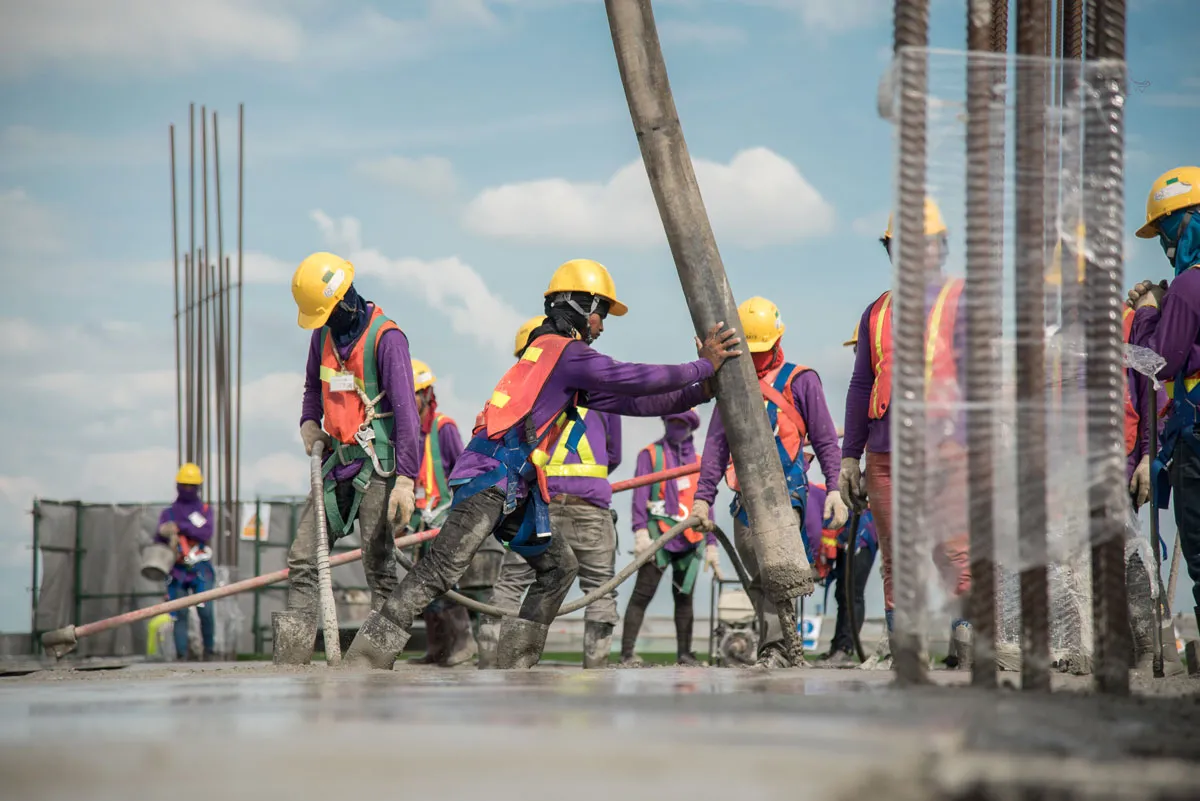
Construction, India’s second largest employer by industry, employs about 50 million workers but could additionally absorb another 40 million workers, according to estimates shared by the Construction Skill Development Council of India (CSDCI) in 2023. Within this, citing trade estimates, Rahul Bahl, Managing Director, Krishna Buildestates, says the shortage of trained, skilled workers is currently about 2 million, and is expected to rise to 5 million by 2030.Not only is the construction industry struggling to find workers but construction labour productivity in India significantly trails g..

Next Story
Real Estate

144 Years in the Making!

1. A century-spanning construction storyConstruction began in 1882, making the Sagrada Família one of the longest-running architectural projects in modern history. Today, the project is overseen by the Fundació Junta Constructora del Temple Expiatori de la Sagrada Família, with Chief Architect Jordi Faulí leading its final construction phases.2. The world’s tallest church towerhe Sagrada Família in Barcelona reached its final height of 172.5 m (566 ft) on February 20, 2026, with the installation of the cross atop the Tower of Jesus Christ, making it the tallest church in the world...To ..

Advertisement

Subscribe to Our Newsletter

Get daily newsletters around different themes from Construction world.

STAY CONNECTED

Advertisement

Advertisement

Advertisement