Bharat Taxi Launches In Maharashtra Expands Cooperative Mobility
ECONOMY & POLICY

Bharat Taxi Launches In Maharashtra Expands Cooperative Mobility

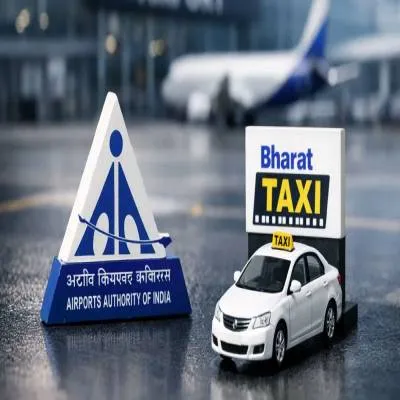
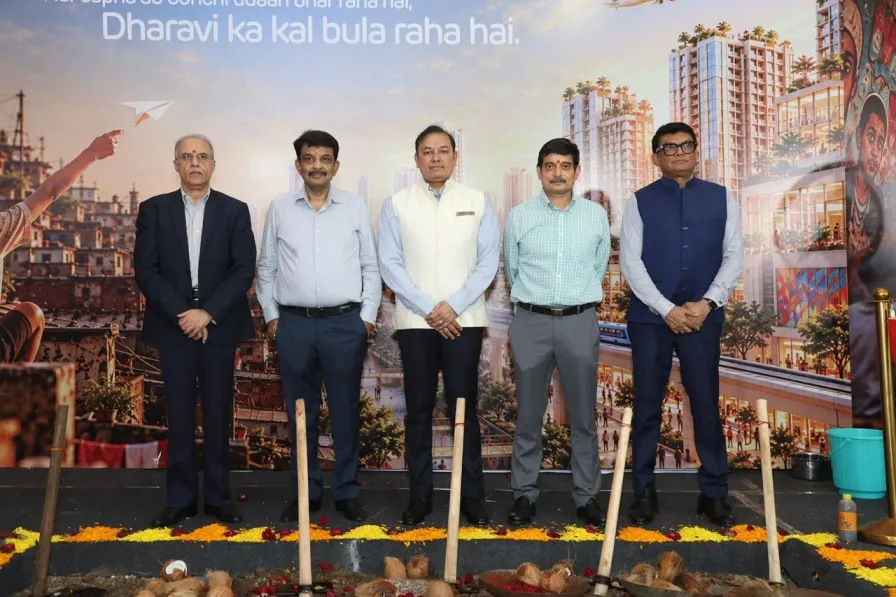
Bharat Taxi was launched in Maharashtra by Chief Minister Devendra Fadnavis at Navi Mumbai International Airport, marking the cooperative ride hailing platform's entry into the state after rollouts in Delhi and Gujarat. Union Minister of State for Cooperation Murlidhar Mohol and representatives of the cooperative sector, transport organisations and taxi drivers attended the event. The initiative is being advanced under the Ministry of Cooperation as part of the Centre's Sahakar Se Samriddhi vision to promote cooperative models in transportation.

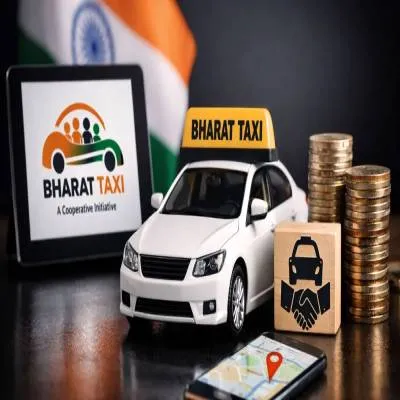
Unlike conventional app based taxi aggregators, Bharat Taxi is designed to make drivers, referred to as Sarathis, members, shareholders and owners of the cooperative institution rather than merely service providers. The platform will operate a fixed service fee model intended to eliminate surge pricing, hidden charges and high aggregator commissions. Organisers said the model aims to provide passengers with safe, reliable and transparent transportation while ensuring better financial returns for drivers through profit sharing.

The Chief Minister highlighted an agreement with the late D B Patil Cooperative Transport Association under which around 3,000 to 4,000 local youth near Navi Mumbai International Airport are expected to receive credit support to purchase taxis and join the Bharat Taxi platform, creating employment and entrepreneurship opportunities. The Minister noted Maharashtra's cooperative network includes about 0.25 million cooperative societies out of more than 0.86 mn nationwide. The Ministry of Cooperation, established in 2021, has undertaken 152 initiatives and aims to set up 0.2 mn new multipurpose cooperative societies while strengthening Primary Agricultural Credit Societies.

Officials said PACS are being computerised with an investment of about Rs 30 billion to broaden services, and nearly 40,000 new cooperative societies have been established. Around 39,000 cooperative bodies run Pradhan Mantri Kisan Samriddhi Kendras and nearly 54,000 PACS function as Common Service Centres. The launch included distribution of share certificates and service kits as the platform seeks to replace intermediary models with a driver owned framework. Bharat Taxi will expand across Maharashtra in phases by onboarding more drivers, women and youth through cooperative partnerships.

Bharat Taxi was launched in Maharashtra by Chief Minister Devendra Fadnavis at Navi Mumbai International Airport, marking the cooperative ride hailing platform's entry into the state after rollouts in Delhi and Gujarat. Union Minister of State for Cooperation Murlidhar Mohol and representatives of the cooperative sector, transport organisations and taxi drivers attended the event. The initiative is being advanced under the Ministry of Cooperation as part of the Centre's Sahakar Se Samriddhi vision to promote cooperative models in transportation. Unlike conventional app based taxi aggregators, Bharat Taxi is designed to make drivers, referred to as Sarathis, members, shareholders and owners of the cooperative institution rather than merely service providers. The platform will operate a fixed service fee model intended to eliminate surge pricing, hidden charges and high aggregator commissions. Organisers said the model aims to provide passengers with safe, reliable and transparent transportation while ensuring better financial returns for drivers through profit sharing. The Chief Minister highlighted an agreement with the late D B Patil Cooperative Transport Association under which around 3,000 to 4,000 local youth near Navi Mumbai International Airport are expected to receive credit support to purchase taxis and join the Bharat Taxi platform, creating employment and entrepreneurship opportunities. The Minister noted Maharashtra's cooperative network includes about 0.25 million cooperative societies out of more than 0.86 mn nationwide. The Ministry of Cooperation, established in 2021, has undertaken 152 initiatives and aims to set up 0.2 mn new multipurpose cooperative societies while strengthening Primary Agricultural Credit Societies. Officials said PACS are being computerised with an investment of about Rs 30 billion to broaden services, and nearly 40,000 new cooperative societies have been established. Around 39,000 cooperative bodies run Pradhan Mantri Kisan Samriddhi Kendras and nearly 54,000 PACS function as Common Service Centres. The launch included distribution of share certificates and service kits as the platform seeks to replace intermediary models with a driver owned framework. Bharat Taxi will expand across Maharashtra in phases by onboarding more drivers, women and youth through cooperative partnerships.

Next Story
Technology

AI-Enabled Workflows Lift Profitability and Productivity

Organisations modernising frontline workflows with artificial intelligence, automation and real-time data are reporting stronger financial performance, higher productivity and improved employee engagement, according to a global study by Zebra Technologies and Oxford Economics.The research covered 1,000 senior leaders across retail, manufacturing, transportation and logistics in the US, Mexico, the UK, Germany, India, Japan, Australia and New Zealand.In transportation and logistics, 54 per cent of companies that improved picking and packing operations reported faster operational performance, wh..

Next Story
Real Estate

India Leads Global AI Readiness but Implementation Lags

Indian companies lead global averages across all eight artificial intelligence readiness indicators tracked by JLL, but only 19 per cent have started making changes to their workplaces, according to the JLL 2026 Future of Work Survey.The study found that 77 per cent of Indian business leaders expect AI to change their office requirements, creating a 58-percentage-point gap between awareness and implementation. The survey covered more than 2,200 CEOs, CFOs and real estate leaders across 21 countries during the first quarter of 2026.Despite concerns over automation, 58 per cent of Indian leaders..

Next Story
Equipment

Three WOLFF Cranes Build Riyadh Cable-Stayed Bridges

Three WOLFF 180 B luffing jib cranes are supporting the construction of two cable-stayed bridges alongside the existing Wadi Laban Bridge in Riyadh, Saudi Arabia. The project is being developed for the Royal Commission for Riyadh City and executed by the ICRC joint venture comprising IC Ictas and Al Rashid Trading & Contracting Company.The cranes are handling lifting operations including formwork, reinforcement, concrete placement, work platforms, surveying equipment and other construction materials. Each crane is fitted with a 40 m jib, reaches a hook height of 157 m and offers a maximum ..

Advertisement

Subscribe to Our Newsletter

Get daily newsletters around different themes from Construction world.

STAY CONNECTED

Advertisement

Advertisement

Advertisement