+
BRICS Urbanisation Forum Adopts Declaration On Inclusive Urban Futures
ECONOMY & POLICY

BRICS Urbanisation Forum Adopts Declaration On Inclusive Urban Futures

The 13th BRICS Urbanisation Forum concluded in New Delhi with the adoption of a Ministerial Declaration on inclusive, resilient and people-centred urban development. Hosted by the Ministry of Housing and Urban Affairs (the Ministry) under India’s BRICS Chairship, the two-day Forum brought together ministers, senior officials and urban practitioners to deliberate on the theme Cities for People: BRICS Cooperation for Inclusive and Resilient Urban Futures.

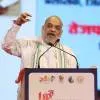
The inaugural session included remarks by the Union Minister, who set inclusive urban development, climate- and disaster-resilient infrastructure, strengthened institutions and digital innovation as priorities. A publication titled India’s Urban Transformation: Stories of Change was released, presenting select practices from States and Union Territories across the Forum’s priority areas. A high-level plenary featured country statements and delegations undertook curated field visits to urban interventions around the capital.

The second day featured two panel discussions that addressed inclusive and resilient urban development, institutional strengthening and scaling innovations for people-centred cities. The first panel examined approaches to improve access to housing, mobility, basic services and public spaces for vulnerable and underserved communities and considered integration of social inclusion with climate resilience and disaster preparedness. India’s Secretary emphasised that urban success depends on efficient and equitable use of resources to improve quality of life.

The second panel explored how institutions can scale innovations, build municipal capacity and improve coordination across levels while using technology and data to enhance service delivery. India’s Additional Secretary said that future urban governance depends on institutions that can scale local innovations. Delegations exchanged experiences on municipal capacity building and adapting local solutions.

Member nations adopted the Ministerial Declaration, reaffirming commitment to people-centred, inclusive, sustainable and well governed cities that ensure equitable access to urban services for marginalised groups. The Forum presented a compilation of good practices and welcomed India’s proposal to establish the BRICS Urban Research and Knowledge Network (the Network), a Chairship-led platform to support applied urban research and peer-to-peer learning. The Network will operate virtually under annual coordination by the lead institution of the Chair country.

The 13th BRICS Urbanisation Forum concluded in New Delhi with the adoption of a Ministerial Declaration on inclusive, resilient and people-centred urban development. Hosted by the Ministry of Housing and Urban Affairs (the Ministry) under India’s BRICS Chairship, the two-day Forum brought together ministers, senior officials and urban practitioners to deliberate on the theme Cities for People: BRICS Cooperation for Inclusive and Resilient Urban Futures. The inaugural session included remarks by the Union Minister, who set inclusive urban development, climate- and disaster-resilient infrastructure, strengthened institutions and digital innovation as priorities. A publication titled India’s Urban Transformation: Stories of Change was released, presenting select practices from States and Union Territories across the Forum’s priority areas. A high-level plenary featured country statements and delegations undertook curated field visits to urban interventions around the capital. The second day featured two panel discussions that addressed inclusive and resilient urban development, institutional strengthening and scaling innovations for people-centred cities. The first panel examined approaches to improve access to housing, mobility, basic services and public spaces for vulnerable and underserved communities and considered integration of social inclusion with climate resilience and disaster preparedness. India’s Secretary emphasised that urban success depends on efficient and equitable use of resources to improve quality of life. The second panel explored how institutions can scale innovations, build municipal capacity and improve coordination across levels while using technology and data to enhance service delivery. India’s Additional Secretary said that future urban governance depends on institutions that can scale local innovations. Delegations exchanged experiences on municipal capacity building and adapting local solutions. Member nations adopted the Ministerial Declaration, reaffirming commitment to people-centred, inclusive, sustainable and well governed cities that ensure equitable access to urban services for marginalised groups. The Forum presented a compilation of good practices and welcomed India’s proposal to establish the BRICS Urban Research and Knowledge Network (the Network), a Chairship-led platform to support applied urban research and peer-to-peer learning. The Network will operate virtually under annual coordination by the lead institution of the Chair country.

Related Stories

Gold Stories

Next Story
Real Estate

The Energy-Smart Buildings

Passive design is an integral part of energy-efficient architecture. Sophisticated building systems also contribute to this end. But what role do materials play in enhancing a building’s energy-efficiency?“Material selection is one of the earliest opportunities to influence how a building performs,” says Tejbeer Singh, Principal Architect & Founder, Expressionist by Tejbeer Singh. “The objective is not simply to select materials that look appropriate but to understand how they behave within the climate and construction system.”To read the full article Click Here ..
Next Story
Infrastructure Transport

When the Lowest Bid Comes at a Cost

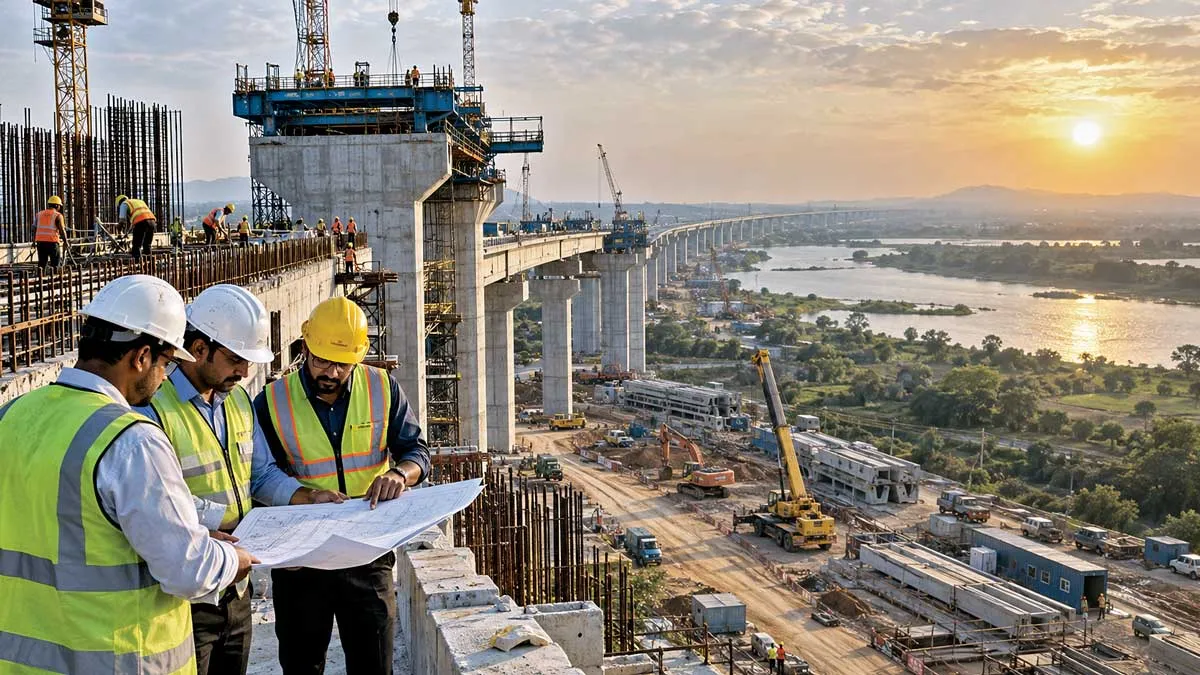
India's infrastructure sector is building at a scale few markets can match. New highways, expressways, metros, bridges and complex engineering projects are transforming the country's landscape. Yet, behind this rapid expansion is a growing concern within the contracting community: Can infrastructure be delivered sustainably when competition pushes prices below commercially viable levels?For Praveen Sethia, Founder & Director, Infra Advisors, who moderated the discussion, the question goes beyond the contractor's commercial interests. Contractors may be one of the two parties to a contract,..
Next Story
Real Estate

Ultra-Luxury Projects Reshape Gurugram’s Housing Market

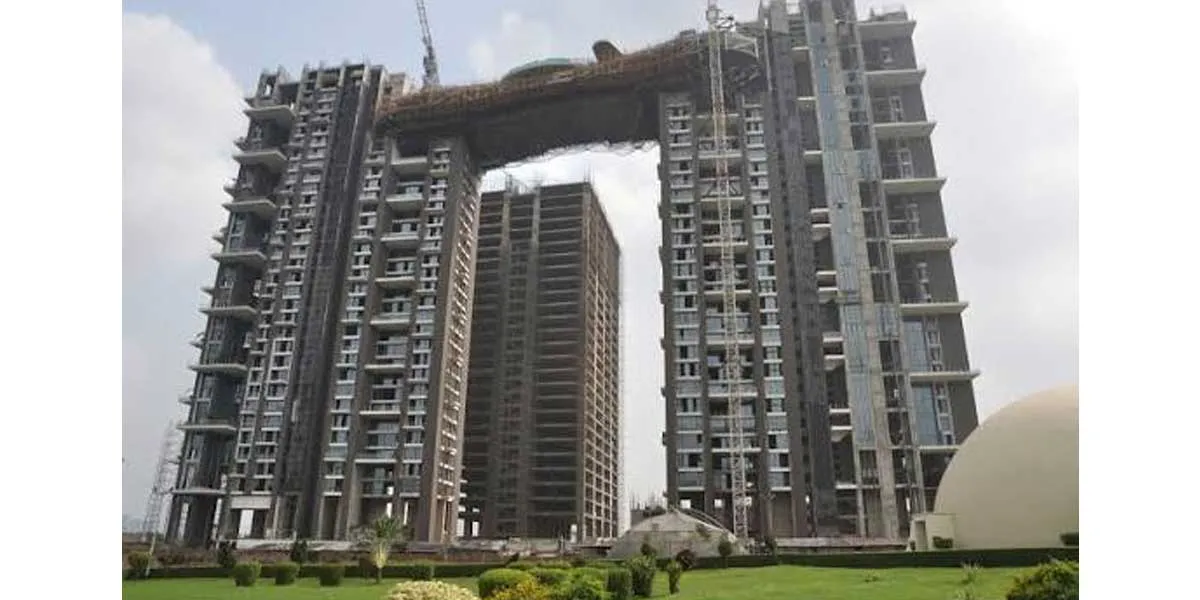
Gurugram’s luxury housing market has expanded beyond its traditional prime locations, with corridors such as Dwarka Expressway and Golf Course Extension Road emerging as key centres for premium residential development. Larger homes, integrated developments and amenity-led communities are attracting demand from end-users and investors.A 2025 report by Sotheby’s International Realty in collaboration with CRE Matrix identified Gurugram as India’s fastest-growing ultra-luxury housing market. The city overtook Mumbai in total sales value for homes priced above Rs 10 crore, recording nearly Rs..

Advertisement

Subscribe to Our Newsletter

Get daily newsletters around different themes from Construction world.

STAY CONNECTED

Advertisement

SPECIAL OFFER
QR Code