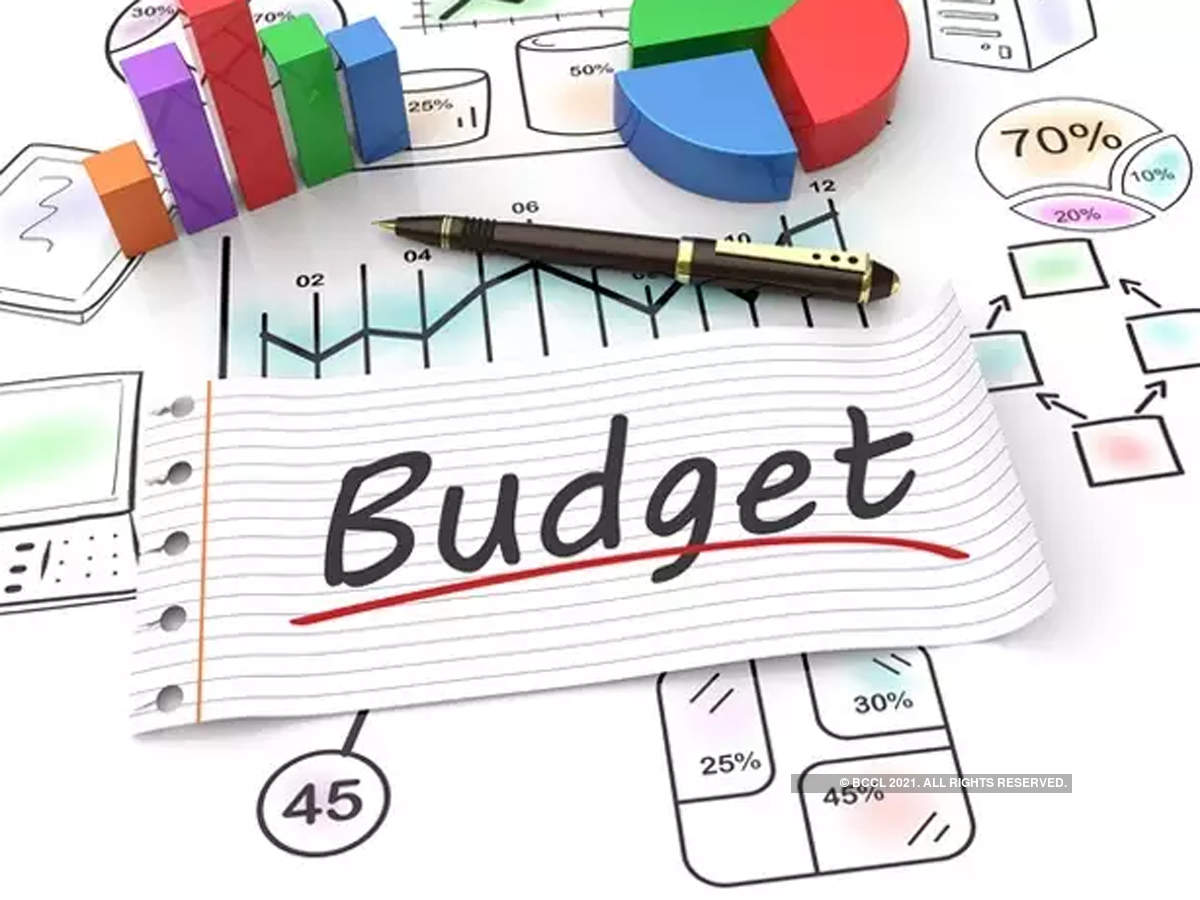
Budget 2021-22 for infra and construction: A snapshot
Union Budget 2021-22 highlighted infrastructure and healthcare as the biggest gainers. An "infra-nirbhar” budget aims at indigenous manufacture of infrastructure equipment and products.
The finance minister focused this year’s budget to infrastructure development which received the much-needed impetus. The government allocated 34.5% more than last year to infrastructure development giving emphasis to roads and highways, railways, urban infrastructure, power, port, shipping, and airways.
Here is a graphical snapshot of Union Budget 2021-22 for infrastructure and construction:
The Finance Minister stated six pillars that are the premise for the various Budget outlays in 2021-22:
1. Physical and financial capital, and infrastructure
2. Health and well-being
3. Inclusive development
4. Innovation and R&D
5. Reinvigorating human capital
6. Minimum Government and Maximum Governance
Healthcare infrastructure received a record outlay of Rs 64,100 crore, including an allocation for new schemes such as PM Atmanirbhar Swasth Bharat Yojana and Urban Jal Jeevan Mission.
The National Infrastructure Pipeline, which was launched with 6,835 projects, has now expanded to 7,400 projects, with 217 projects worth Rs 1.10 trillion completed.
Jal Jeevan Urban Mission, with an outlay of Rs 2.87 lakh crore to be launched. Tap connection to 2.86 crore houses and universal water supply for 4,378 local bodies has been promised.
Three new dedicated freight corridors—East-Coast Corridor, East-West Sub Corridor and North-South Corridor—are expected to see investments of about Rs 2.17 lakh crore.
New economic corridors will see a total outlay of Rs 5.35 lakh crore, with an overwhelming emphasis on states that are heading into elections this year—Assam, Kerala, Tamil Nadu and West Bengal.
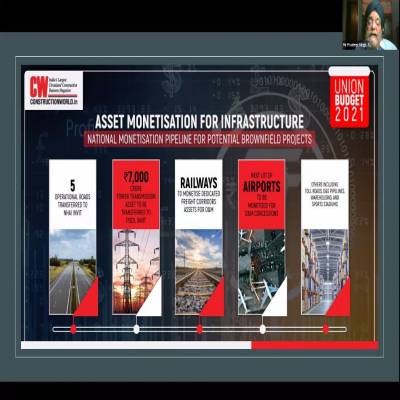
Asset monetisation plan for public infrastructure which will help the government raise revenue. A National Monetisation Pipeline for potential brownfield infrastructure assets will be launched.
Also Read:
Infra budget sought, infra budget granted
Govt reveals core sector growth rates
Industry reacts to Budget 2021-22
What the Budget holds for us: A webinar
Related Stories

Gold Stories





Atlas Copco Showcases Energy Recovery Solutions at Boiler India 2026
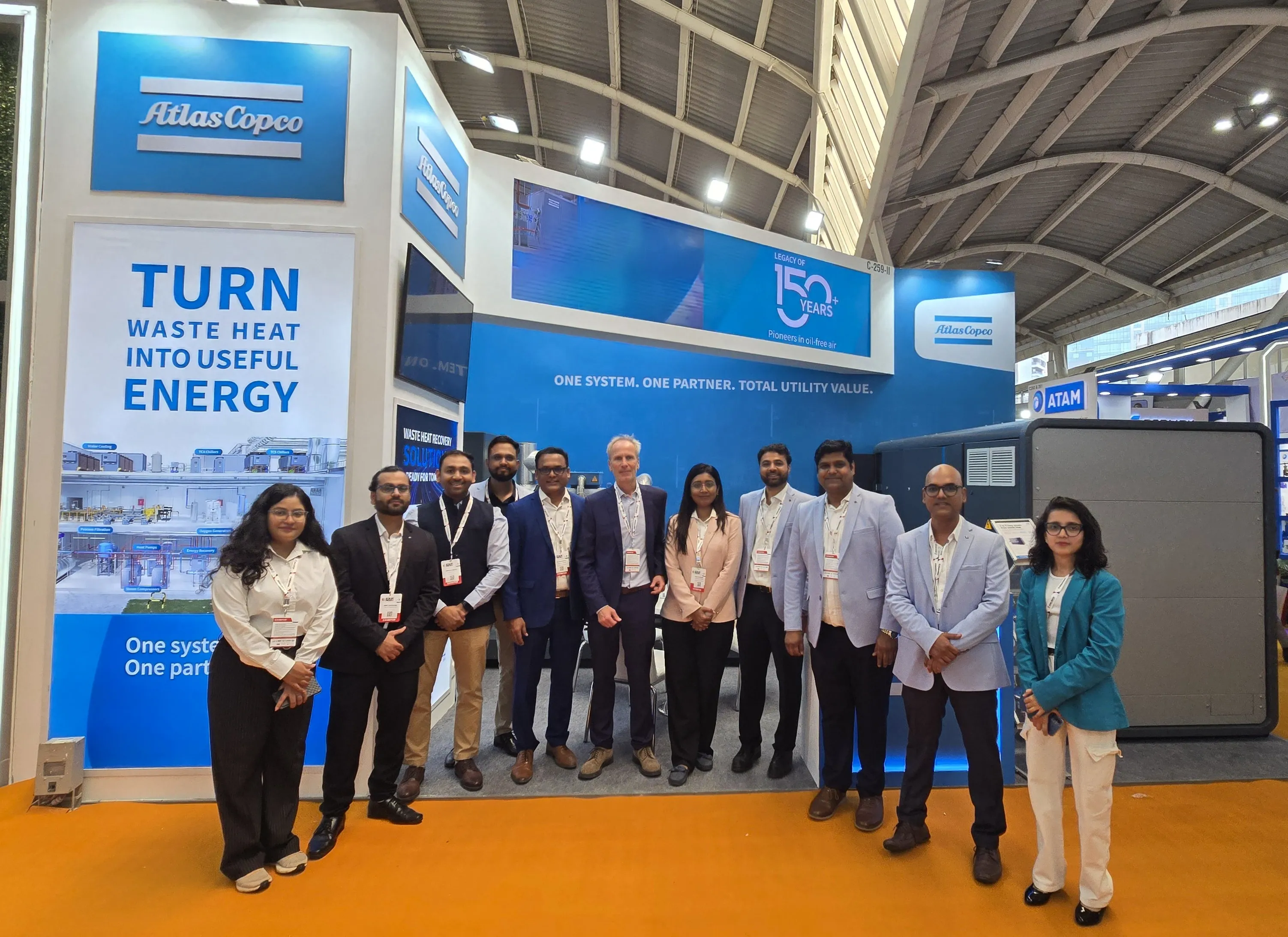
Atlas Copco showcased its advanced steam compression and energy recovery technologies at Boiler India 2026 in Mumbai, highlighting solutions designed to recover, upgrade and reuse energy within industrial processes.The company presented its EC oil-free Variable Speed Drive (VSD) steam compressor and industrial heat-pump technology, aimed at improving energy utilisation and reducing dependence on conventional steam generation.The EC steam compressor converts low-pressure steam into higher-pressure steam for reuse in industrial applications. It incorporates oil-free screw compression, VSD techno..

Wonder Cement Appoints Mahesh Singh as VP – Brand Communication
Wonder Cement has appointed Mahesh Singh as Vice President – Corporate Brand Communication. In his new role, Singh will oversee corporate brand strategy, digital and performance marketing, public relations, trade communication, events, exhibitions, sports and experiential marketing.With over 20 years of experience in branding and communications, Singh has worked across the automotive, media, digital marketing and corporate communication sectors. He spent more than a decade at Honda Motorcycle & Scooter India, managing integrated communication, media strategy, digital marketing, retail en..
Perkins Begins Production of 5016 Power Generation Engine
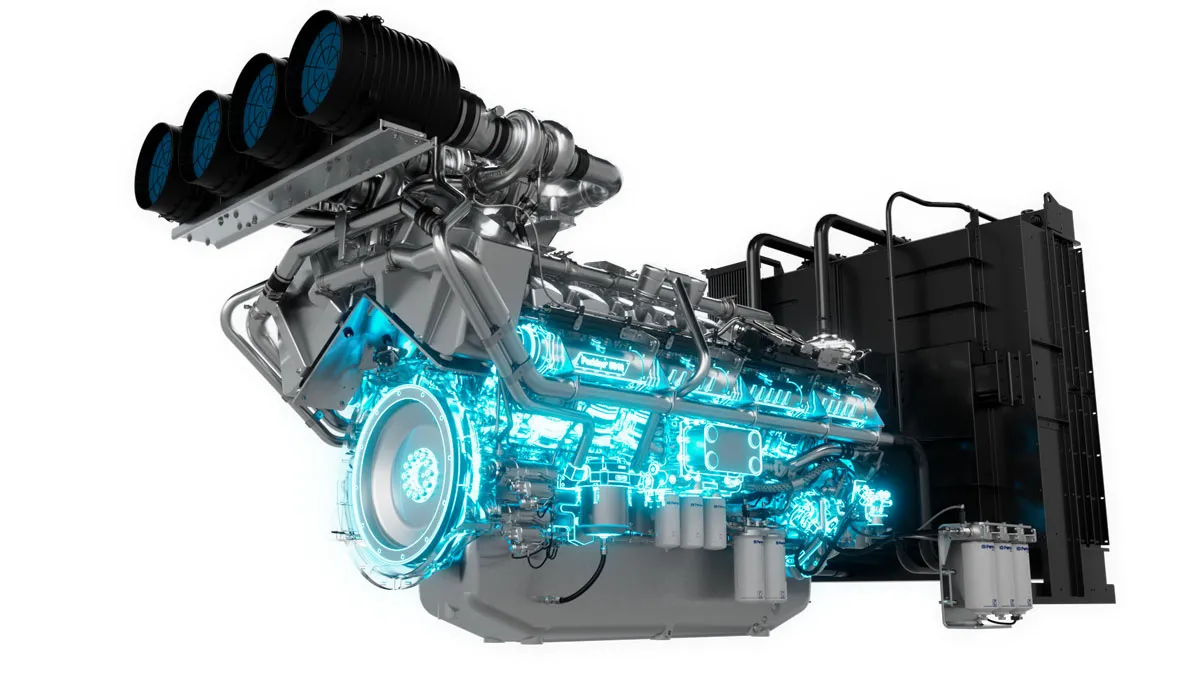
Perkins has commenced production of its new 5016 full-authority electronic engine, completing its 5000 Series range of 6-, 8-, 12- and 16-cylinder engines. Manufactured in Stafford, UK, and Aurangabad, India, the range delivers up to 2,500 kVA of standby power and 2,250 kVA of prime power.The 61-litre V16 engine delivers 1,400–2,500 kVA at 50 Hz for base load, prime and standby applications. Designed for power generation, it supports critical infrastructure, including data centres, hospitals, airports and remote worksites.Engineered to meet ISO G3 and NFPA110 standards, the 5016 incorporates..
Related Articles
Latest Updates